International Logistics Provider Checks for Mining Projects

Mining procurement teams searching for “logistics international” providers need more than a global office map and a competitive freight rate. A crusher assembly can reach the discharge port on schedule and still miss installation because the bridge survey, import release or unloading crane was never secured. Routine replenishment creates different risks: crusher liners exhausting container payload, reagents rejected for incomplete dangerous-goods documentation or an urgent hydraulic assembly missing its flight connection.
Evaluate providers against documented release gates across the entire movement, including any legs retained by your own team. The checks below turn a mining freight tender into an executable operating plan.
1. Define mine-site acceptance before requesting rates
Start with the required installation or stock-availability date, then work backward through site receiving, inland transport, customs, terminal handling and international carriage. Distinguish a required delivery date from a preferred sailing or flight.
For each cargo package, provide verified shipping dimensions, gross weight, center of gravity where relevant, lifting drawings, packaging specifications and preservation requirements. Identify dangerous goods individually rather than treating all mining chemicals or mineral products as one classification.
The international logistics scope should also identify site constraints: receiving hours, elevation, seasonal road closures, axle restrictions, unpaved access, unloading equipment and secure storage availability. State who verifies each condition and how recently it was checked.
Require bidders to return a scope-and-responsibility matrix covering their own work, subcontracted services and shipper-retained tasks. Any unassigned handoff remains an execution risk, even when the commercial proposal says door-to-door.
2. Verify credentials behind a “logistics international” shortlist
Match the contracting entity’s legal name, registered address and payment details to independently verified records. Confirm that the party issuing the transport document is the party identified in the proposal, or that its role is clearly disclosed.
For U.S. ocean movements, verify the Federal Maritime Commission license or registration and financial responsibility appropriate to the intermediary’s role. For domestic trucking and brokerage, check applicable FMCSA authority and insurance status. For U.S. air exports, confirm the provider’s applicable TSA Indirect Air Carrier status and security responsibilities. An accreditation or association membership does not replace required operating authority.
Ask for insurance evidence, then separate forwarder liability, motor-carrier liability and shipment-specific cargo insurance. A certificate alone does not establish that your machinery is covered during outdoor storage, heavy lifting, transloading or remote-site unloading. Review exclusions, deductibles, valuation provisions and survey conditions against the actual movement.
For international logistics involving subcontractors, request evidence of comparable mining work and the process used to qualify local carriers, warehouses and lifting contractors. Relevant evidence should match the cargo, route and handling conditions, not simply the destination country.
3. Test ocean execution for both FCL and LCL cargo
Separate project equipment from replenishment freight in the ocean plan. Dense wear parts may reach container weight limits before using available cube, while instrumentation and small maintenance orders may suit LCL consolidation.
Ask which 20-, 40- or 45-foot dry-container and reefer options are supported on the proposed trade lane. Require payload calculations, floor-loading checks, blocking and bracing requirements and a verified gross mass process. Equipment availability and destination handling capability must be confirmed rather than inferred from a carrier’s general service coverage.
For LCL, identify the origin and destination container freight stations, consolidation cutoffs, handling restrictions and deconsolidation release process. Buyer’s consolidation can combine multiple suppliers, but only when purchase-order readiness and required-on-site dates support the same departure.
The international logistics proposal should identify transshipment exposure, dangerous-goods acceptance where applicable and recovery options after a rolled booking. For regulated ocean cargo, confirm applicable IMDG Code requirements before cargo reaches the terminal.
Finally, request a demurrage and detention prevention plan tied to document readiness, customs release, terminal availability and empty-container return. A low ocean rate does not offset avoidable equipment charges or missed installation work.
4. Validate air freight in both directions
A mine-down recovery plan needs an executable airport-to-site sequence, not simply an airport-to-airport transit estimate. Test U.S. export and import capability separately.
U.S. air exports
Require a plan covering factory or warehouse pickup, export packing, applicable TSA/IAC security and screening controls, airline acceptance and uplift. Establish who determines whether Electronic Export Information is required, who files through AES and who resolves filing discrepancies.
For hydraulic assemblies, control systems or emergency utility spares, compare scheduled consolidation, Next Flight Out and charter against cargo dimensions, available capacity and the actual recovery deadline. Confirm destination clearance arrangements and final delivery, including weekend receiving limitations.
U.S. air imports
For equipment or spares returning to a U.S. repair facility or entering a U.S. mining operation, validate foreign pickup, origin-airport acceptance, international uplift, U.S. customs clearance coordination, airport cargo-facility release and final-mile dispatch. Where an airside or ramp transfer is required, identify the authorized handling party.
Require NFO or AOG procedures where the shipment warrants them, rather than treating either label as a guaranteed service. Specify temperature monitoring and custody controls for sensitive components.
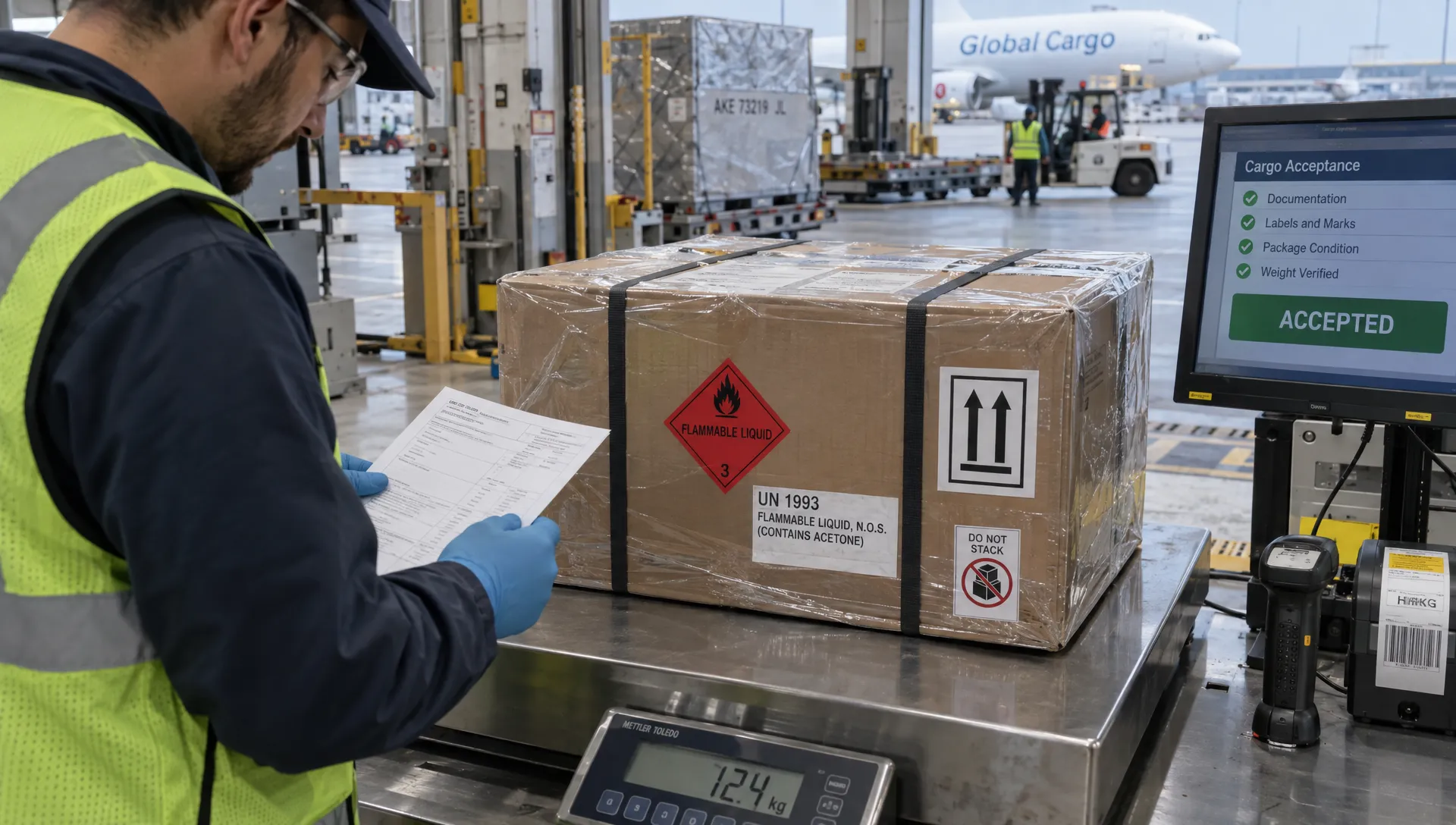
Across both directions, international logistics providers should demonstrate applicable ICAO Technical Instructions, IATA Dangerous Goods Regulations and operator-specific acceptance checks for regulated shipments.
Pro-Tip: Compare air and ocean using the cost of the missed operating window, not freight spend alone. Airfreighting one critical assembly can be more defensible than expediting an entire replenishment order.
5. Check port drayage against legal weights and gate reality
A drayage quote should identify the operating carrier, equipment plan and release conditions. For dense mining cargo, require an axle-weight assessment rather than relying only on container gross weight or the container’s rated payload.
Ask whether the proposed movement requires specialized chassis equipment, permits or a different discharge arrangement. Confirm that the proposed solution is legal on the specific route; a heavy-capacity chassis does not override road or bridge restrictions.
The international logistics operating plan should connect vessel availability, customs and carrier release, terminal appointments, chassis supply and driver dispatch. Assign responsibility for checking the terminal’s last free day and the separate equipment-return deadline under the applicable terms.
For reefer cargo, specify power continuity, monitoring responsibilities and escalation when a pickup is delayed. For remote deliveries, verify whether the container can reach the mine and return within equipment-use limits, or whether a nearer handoff is operationally preferable.
Ask the bidder to explain a failed-gate scenario: an unavailable appointment, a customs hold or a rejected empty return. The answer should identify the decision owner, recovery action and evidence required to approve additional charges.
6. Use transloading and warehousing only where they solve a constraint
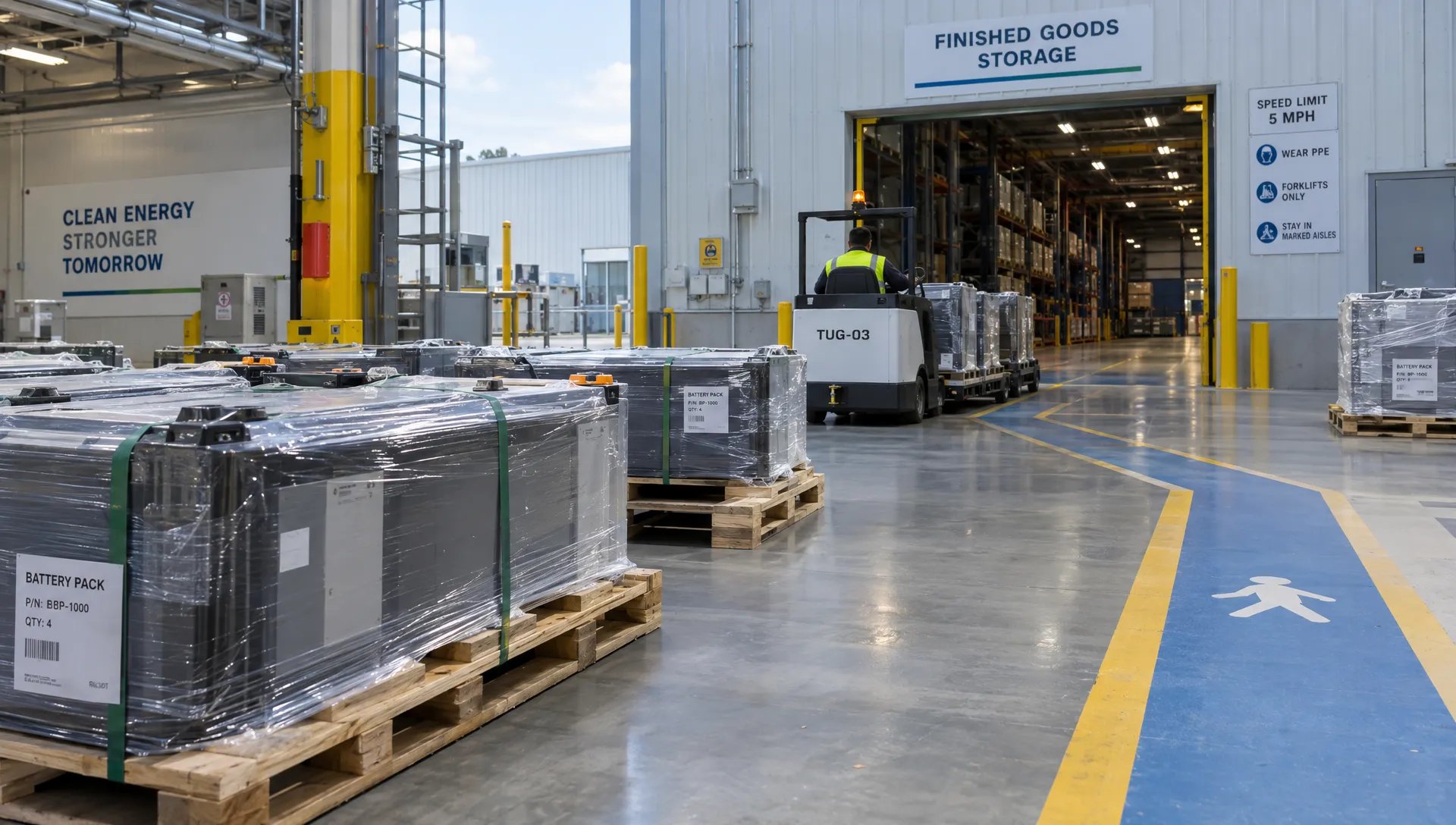
Cross-docking can release ocean equipment sooner, separate purchase orders or transfer cargo onto vehicles suited to mine access. Buffer warehousing can protect an installation sequence when overseas arrivals and site readiness do not align. Neither should be inserted automatically into a direct movement.
Request facility-specific evidence: crane or forklift capacities, floor-loading limits, door clearances, secure storage, weather protection and dangerous-goods permissions where applicable. Confirm whether the quoted facility can handle the actual packaged piece, not merely its nominal weight.
For international logistics involving dense mining supplies, treat a proposed three-container-to-two-trailer conversion as a calculation to verify. Cargo weight, axle distribution, dimensional fit, securement and legal payload determine whether consolidation works.
For bulk-liquid reagents, packaged-cargo handling procedures are insufficient. The relevant checks include compatible transfer equipment, containment, sampling and custody records, as detailed in these bulk-liquid transloading controls for critical minerals.
Set acceptance requirements for receipt photographs, damage exceptions, inventory identification and outbound reconciliation. Define preservation inspections and maximum dwell conditions for equipment awaiting installation.
Pro-Tip: Approve the handling method before approving the warehouse rate. An inexpensive facility becomes costly if it requires an unplanned crane, additional repacking or a second transfer.
7. Require engineered evidence for project cargo and heavy haul
Rock crushers, ball-mill components, flotation skids and haul-truck chassis require a different approval path from standard replenishment freight. Request a route-specific transport concept before accepting a firm execution commitment.
The evidence package should address verified dimensions and weight, center of gravity, lifting points, trailer configuration, axle loading, swept-path analysis and bridge or culvert constraints. Identify overhead utilities, turning restrictions, road gradients and seasonal access limitations. Record the survey date and the conditions that would trigger revalidation.
For international logistics involving breakbulk vessels, flat racks or other out-of-gauge equipment, align ocean stowage and securing requirements with inland transport and destination discharge capability. A technically workable sea movement can still fail if the receiving port cannot lift or stage the piece.
Require named responsibility for superload permits, escorts, utility coordination, lifting plans and site-ground suitability. Clarify who provides cranes, rigging and unloading supervision, and who approves changes when field conditions differ from the survey.
Use a documented hold point before dispatch: required permits issued, route conditions reconfirmed, receiving area accepted and unloading resources committed. Booking transport before these controls are closed transfers uncertainty downstream rather than removing it.
8. Audit customs and commercial responsibility by shipment
Mining projects often combine permanent imports, temporary equipment movements, repair-and-return shipments and separate spare-parts orders. These should not inherit one customs treatment merely because they share a project number.
Require a document matrix identifying the importer and exporter of record, customs broker, classification owner, valuation inputs, origin evidence and any licenses or permits. For reagents, batteries and controlled components, confirm the applicable product, transport and trade restrictions before booking.
Incoterms should include the named place and version. Check separately who handles export clearance, import clearance, duties, destination handling, delivery and unloading. Incoterms allocate specified responsibilities, costs and risks; they do not replace transport contracts, insurance arrangements or payment terms.
An international logistics provider should flag missing data while corrections are still possible, not after arrival. SHIPIT’s guidance on preventing customs and port holds supports that pre-booking discipline.
For multi-vendor projects, establish a document-approval deadline and a controlled process for revisions. One supplier’s inconsistent serial number or packing-list weight can disrupt the movement of equipment needed for the same installation sequence.
9. Test visibility at the handoffs where responsibility changes
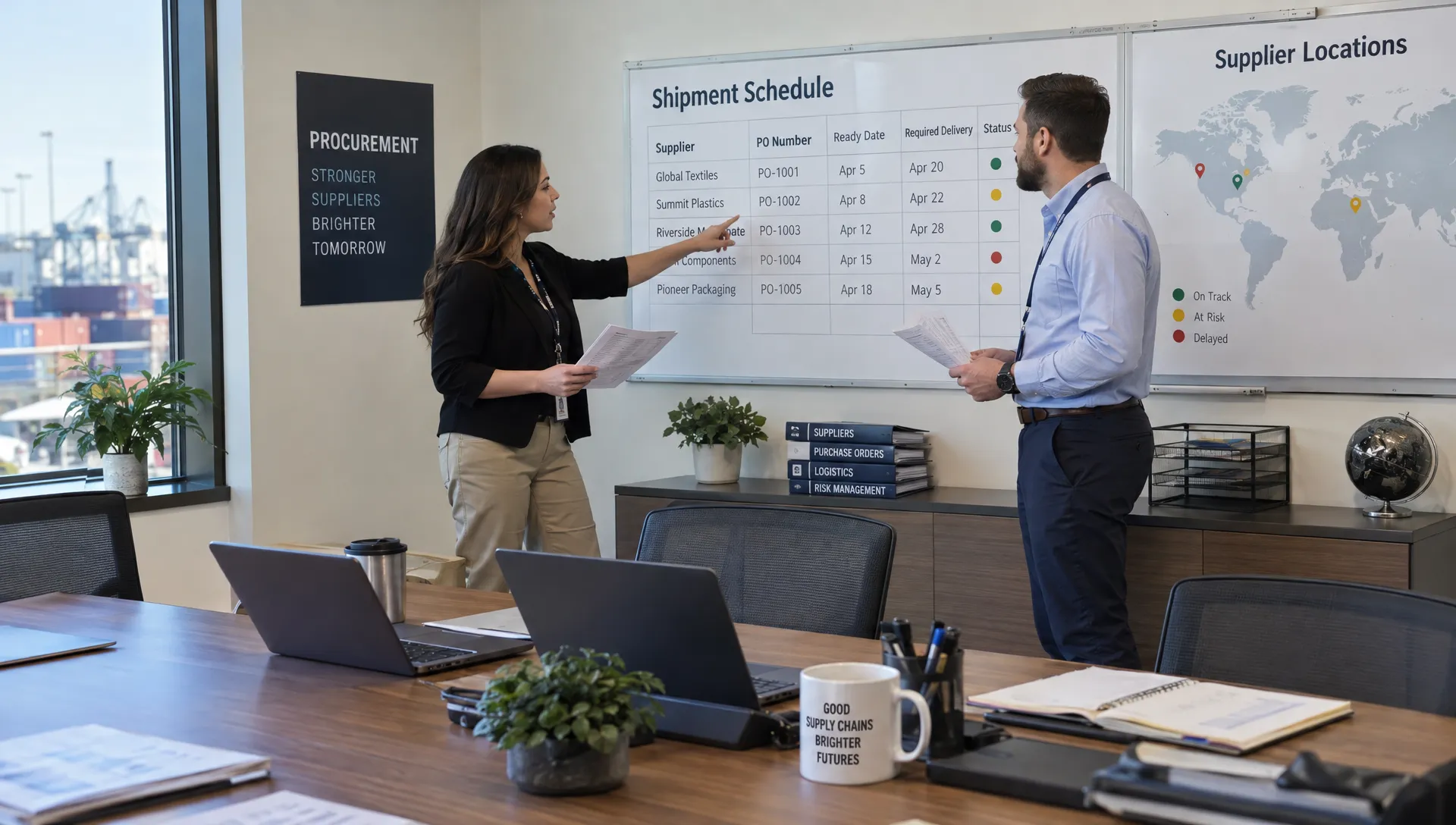
Ask bidders to demonstrate exception handling using a realistic mining shipment: an LCL liner order delayed at deconsolidation, an airfreighted pump awaiting release or an oversized skid stopped by a route restriction.
The operating record should identify the physical custodian, contracted carrier, last verified event, next milestone, blocker and accountable recovery owner. Distinguish a carrier-generated estimate from a confirmed physical event. A tracking milestone marked delivered is incomplete without the delivery location, recipient and exceptions.
International logistics visibility is especially vulnerable when an overseas agent, terminal, warehouse and remote-site trucker use different systems. Require event-update responsibilities and escalation rules for each handoff, including an out-of-hours contact with authority to act.
Test the fallback process when electronic updates stop. The provider should be able to obtain and reconcile release records, warehouse receipts, interchange evidence and proof of delivery. Agree how SHIPIT’s tracking visibility or API/EDI integration, where included in scope, will connect to your team’s own receiving and project-control processes.
10. Award against release gates, not presentation quality
Use operational acceptance criteria before comparing commercial totals. A mining international logistics bid should distinguish confirmed capability, conditional availability and unresolved assumptions.
Workstream | Evidence required before approval | Unresolved issue that should block approval |
Ocean FCL/LCL | Equipment, payload, consolidation and release plan | Unverified loading or destination handling |
Air imports and exports | Acceptance, compliance, uplift and delivery sequence | Unassigned clearance or airport handoff |
Port drayage | Legal weight plan, releases and gate execution | Assumed chassis, appointment or return access |
Cross-dock/warehousing | Handling capacity, preservation and inventory controls | Facility unable to handle the actual cargo |
Project cargo/heavy haul | Route, permits, lifting and site acceptance | Unresolved access or unloading feasibility |
Then normalize commercial exclusions: storage, waiting time, rehandling, escorts, permits, inspections, insurance and failed-delivery costs. Require a change-authorization process and supporting records for accessorial charges.
Award the full chain or a modular scope according to demonstrated capability. Retaining your incumbent ocean contract while appointing a specialist for drayage, transloading or a heavy-haul package can be appropriate, provided interface ownership is explicit.
Frequently Asked Questions
How can we verify a provider’s mining-project experience? Request comparable cargo dimensions, weights, routes and handling conditions, plus references where disclosure is permitted. Ask for redacted route surveys, execution plans and exception reports rather than relying on project photographs alone.
Should one provider manage project equipment and routine spare parts? Only if it can demonstrate both workflows. Heavy-haul engineering does not prove reliable LCL replenishment or urgent air execution. Use separate service commitments and escalation paths even when one provider manages both.
What must be confirmed before remote mine-site delivery? Confirm route access, permits, weather restrictions, communications, receiving hours, unloading resources and ground conditions. Identify the person authorized to accept delivery and define the response if the site cannot receive the cargo.
Need an execution plan for mining equipment, replenishment freight or a mine-down shipment? SHIPIT Logistics supports ocean and air freight, port drayage, transloading, warehousing and specialized project cargo, either end to end or as standalone services. Share your cargo data, trade lane and required-on-site date to discuss the appropriate scope.