Freight Forwarding Service USA: What to Put in the SOW

Updated: Oct 2
A freight forwarder can move cargo from A to B. A good freight forwarding service USA engagement moves your cargo from A to B reliably, repeatedly, and with fewer surprises.
The difference is rarely the rate. It is the Statement of Work (SOW), the document that turns “door-to-door” into a measurable, executable scope across ocean or air freight, customs coordination, drayage, transloading, warehousing, and final delivery.
This guide shows what to put in the SOW so shippers, forwarders, and brokers can align responsibilities, cut handoffs, and control total landed cost.
SOW vs SLA vs SOP (write all three, but do not mix them up)
Most freight disputes are not “operational problems.” They are document problems.
SOW (Statement of Work): What services are included, where they start and stop, who owns each handoff, and how pricing is constructed.
SLA (Service Level Agreement): The measurable performance targets and how you measure them (on-time, dwell, appointment hit rate, invoice accuracy, etc.).
SOP (Standard Operating Procedure): The step-by-step execution playbook (who emails whom, which milestones trigger release, cutoff calendars, escalation paths).
If you need a deeper SLA framework, SHIPIT has a dedicated guide on how to compare logistics SLAs. In your SOW, you want clear scope first, then reference your SLA and SOP as attachments.
1) Start the SOW with a “lane fact pattern” (so scope is anchored in reality)
Write the SOW around real shipping patterns, not generic promises.
Include a short profile that answers:
Trade direction: Import to USA, export from USA, or both.
Origins and destinations: Countries, typical origin cities, U.S. gateway(s), final delivery zones.
Modes: Ocean FCL, ocean LCL, air (express, deferred), rail, domestic truck.
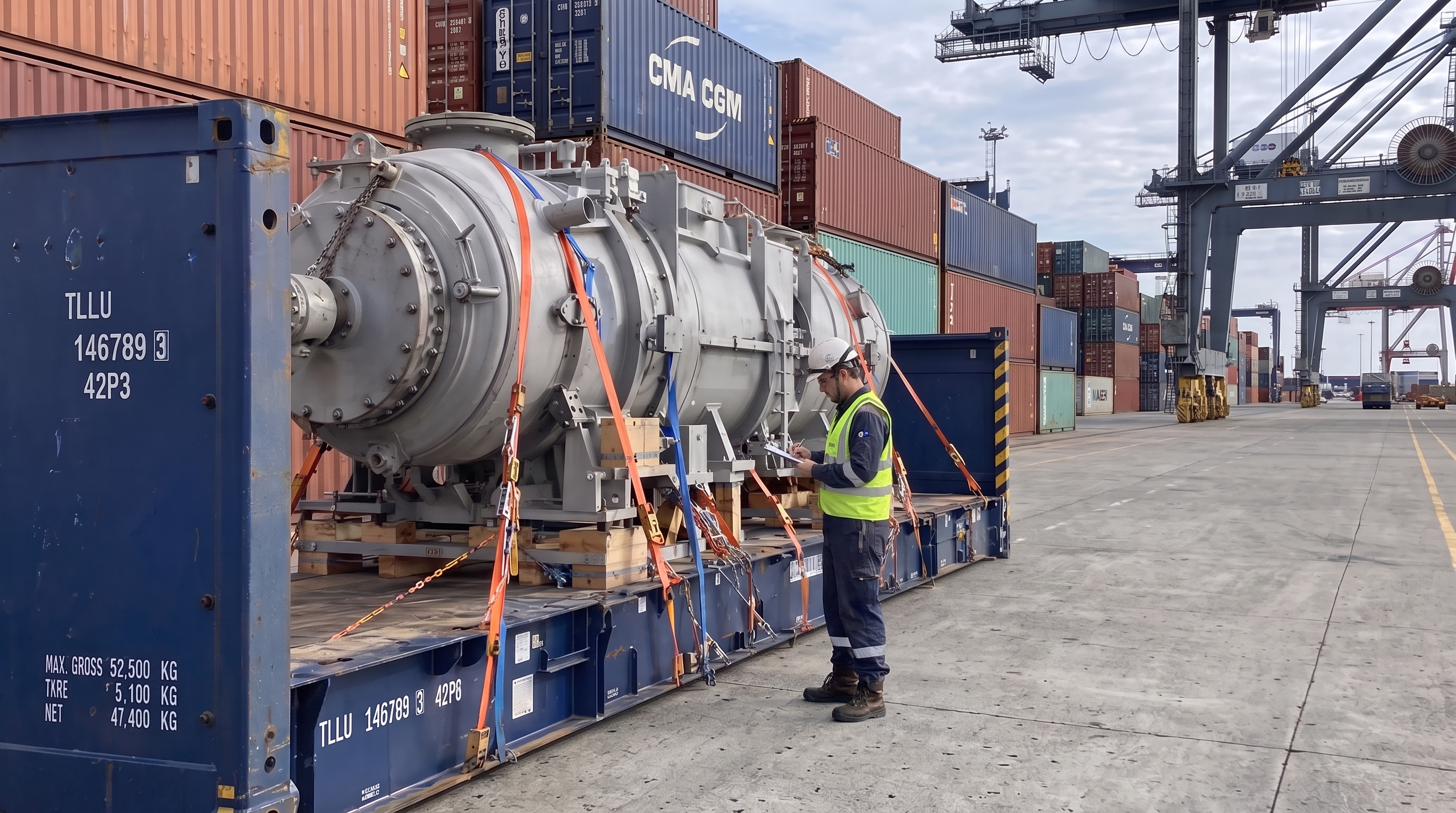
Commodities and special flags: Hazmat, lithium batteries, food, medical, high-value, oversized/out-of-gauge.
Packaging: Pallets, cartons, crates, loose, floor-loaded, containerized.
Volume signals: Expected monthly shipments, seasonality, forecast process.
This “fact pattern” becomes the baseline for pricing, capacity planning, and realistic service levels.
2) Define freight forwarding service USA scope by leg, not by buzzwords like “door-to-door”
A strong SOW breaks the shipment into legs and assigns an owner for each.
Origin services (pickup and export readiness)
Specify whether the provider is responsible for:
Pickup scheduling and dispatch
Origin warehouse receiving (if used)
Export documentation support (commercial docs, shipper’s instructions)
Cargo readiness checks (labels, packing, weights and measures)
Booking coordination and cutoff management
If the shipper is responsible for packaging or labeling, say so explicitly. Ambiguity at origin is one of the fastest ways to trigger rollovers and rework.
Main carriage (ocean or air)
Your SOW should state:
Mode(s) covered and service types (FCL, LCL, standard air, deferred air, charter if applicable)
Routing logic (allowed gateways, allowed transshipment rules if relevant)
Who is the contracting party for carriage (forwarder as NVOCC/agent, or direct carrier contract)
Documentation responsibilities (B/L or AWB instructions, amendments, fee triggers)
For air freight, consider including security status expectations and chain-of-custody requirements. TSA air cargo rules change operationally depending on who tenders and how screening is handled. SHIPIT covers this in more detail in its Indirect Air Carrier explainer.
U.S. gateway execution (where costs and delays often concentrate)
This is where a “freight forwarding service USA” engagement succeeds or fails. Spell out the gateway scope:
Terminal/CFS coordination and releases
Drayage appointment scheduling and tracking
Chassis responsibility (if applicable)
Exam support and who pays what during holds
Free time management process (demurrage/detention governance)
If you want a practical reference for the hidden gateway cost stack, see SHIPIT’s guide on demurrage vs detention vs per diem.
Inland transportation (delivery, LTL/FTL, specialty equipment)
Define:
Delivery service type (dock-to-dock, inside delivery, residential restrictions)
Equipment requirements (dry van, reefer, flatbed, step deck, double drop)
Accessorial governance (liftgate, limited access, driver assist, redelivery)
Tender process, cutoff times, and who approves premium moves
If your program includes drayage plus domestic linehaul, it helps to align terminology and data requirements early. SHIPIT’s logistics trucking guide is a useful reference for what to define.
3) If transloading and warehousing are in scope, define them like operations, not real estate
Many SOWs say “transload available” and stop there. That is not enforceable.
If you are importing ocean containers and redistributing domestically, your SOW should define transloading as a production workflow:
Transloading scope (container to outbound freight)
Include:
Container types supported (20’, 40’, 40’ HC)
Floor-loaded vs palletized receiving
Sort rules (by SKU, PO, store, channel)
Outbound modes supported from the facility (FTL, LTL, parcel handoff)
Labeling, pallet specs, slip-sheeting, load bars, wrap requirements
Damage notation and photo documentation standards
Warehousing scope (when cargo stays, even briefly)
Include:
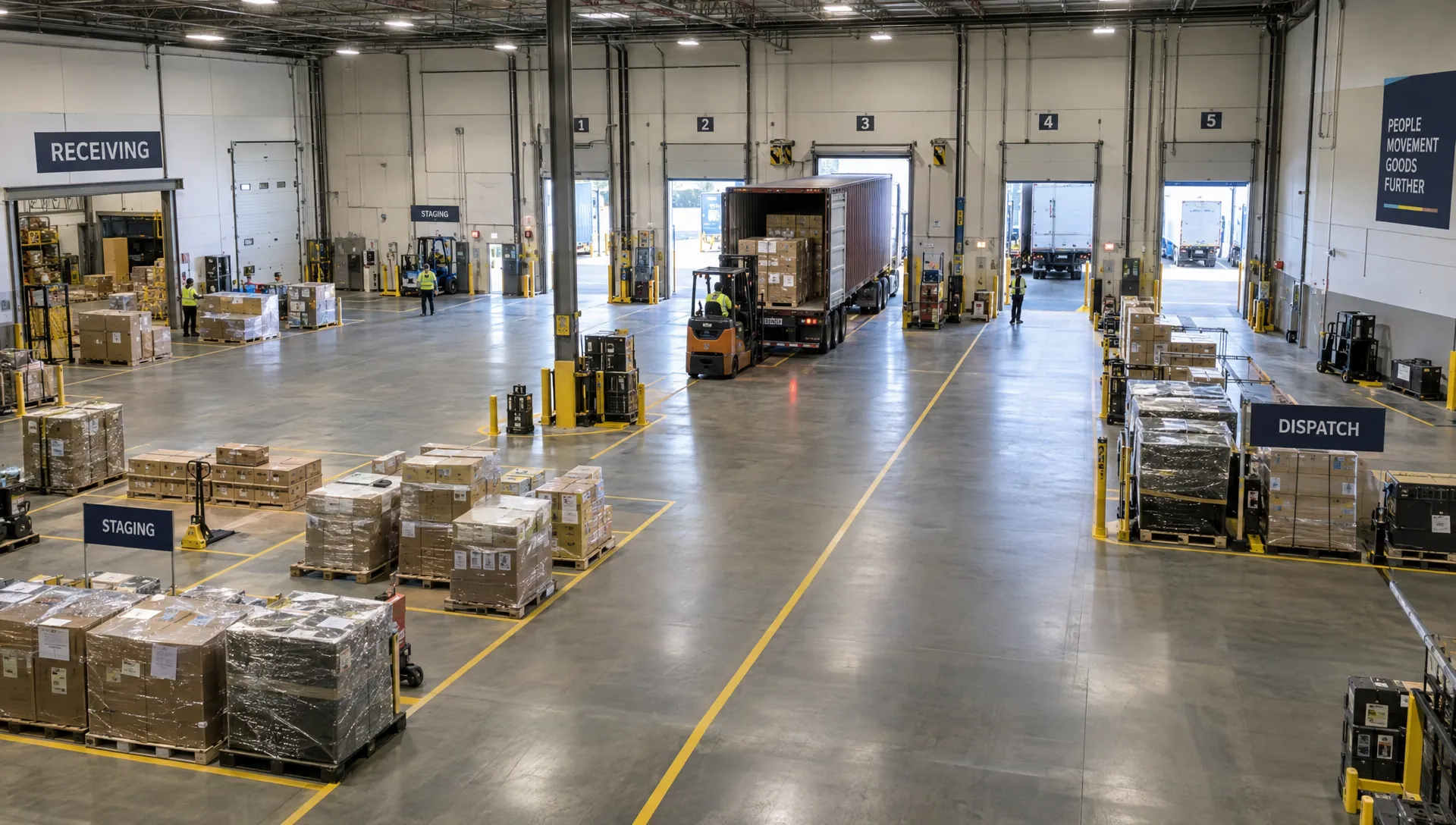
Storage type (short-term staging vs longer-term inventory)
Receiving hours, appointment rules, and cutoff times
Inventory controls (count method, cycle count cadence if applicable)
Value-added services (kitting, relabel, FBA prep, rework)
If your program is LA/Long Beach-centric, you may want to align on port-adjacent execution assumptions. SHIPIT has practical site-selection guidance in Warehousing Los Angeles: What to Look For Near the Ports.
The critical link: transloading, drayage, and international freight
Transloading is not a standalone service in most import programs. It is the bridge between:
International ocean or air freight arriving at a gateway
Drayage to pull the container (or recover an air freight transfer)
Warehouse execution to convert inbound freight into outbound-ready shipments
Domestic trucking to move product to DCs, stores, or fulfillment nodes
In your freight forwarding service USA SOW, make that bridge explicit. State who is accountable for the end-to-end gateway cycle time, not just for “warehouse labor.”
4) Put customs and compliance roles in writing (even if you “arrange” brokerage)
Even when a forwarder only “arranges” customs brokerage, your SOW must state the boundaries:
Who is the Importer of Record (IOR) and who provides the bond
Who supplies HS/HTS classification inputs and product data
Who files ISF for ocean imports (and the timing expectation)
Document responsibility matrix (commercial invoice, packing list, certificates)
Recordkeeping and audit support expectations
For U.S. importing, official CBP guidance is available at cbp.gov. In practice, your SOW should focus on who does what, by when, and what happens when data is late.
5) Define the quote and rate structure inside the SOW (to prevent “scope drift”)
A frequent failure pattern in a freight forwarding service USA engagement is: the quote is one page, the SOW is vague, and the first exception creates an unbudgeted invoice.
Your SOW should require itemization and governance for common charge buckets:
Origin handling (pickup, warehouse receiving, export docs)
Main carriage (ocean or air linehaul and surcharges)
Destination/gateway (terminal/CFS, drayage, chassis, appointments)
Warehousing/transloading (labor units and storage)
Inland trucking (linehaul and accessorial schedule)
Also include:
Rate validity windows and when fuel/surcharges refresh
Credit terms, credit holds, and release impacts
Dispute process (time window to dispute, required backup)
If you want a benchmark for what “real quotes” should include, align your SOW language with SHIPIT’s guide on getting real quotes without surprises.
6) Build a responsibility matrix (RACI) for the highest-risk handoffs
You do not need an enterprise procurement process to benefit from a simple matrix.
Include a table in the SOW that covers at least these handoffs:
Workflow area | Shipper provides | Provider executes | Approval needed from shipper | Notes to clarify in SOW |
Booking readiness | Cargo ready date, dims/weights, Incoterms, parties | Booking, cutoff planning | Mode and routing choices | Define penalties for late cargo readiness |
Export docs | Commercial invoice, packing list, SLI data | SI filing / AWB instructions | Any amendments | Clarify who pays amendment fees |
Customs entry | HTS inputs, IOR info, POA where required | Broker filing (direct or arranged) | PGA exceptions, holds strategy | Define exam communication cadence |
Drayage pickup | Delivery address, receiving constraints | Appointment, pickup, chassis plan | Premium drayage if needed | Define “ready to pull” conditions |
Transload | Carton/SKU rules, labeling specs | Unload, sort, palletize, load outbound | Rework approvals | Define damage documentation standard |
Final delivery | Receiving hours, ASN rules, special access | FTL/LTL tender, tracking, POD | Accessorial approvals | Define POD and OS&D timeline |
This forces clarity about who owns decisions during exceptions.
7) Add milestone data and communication requirements (visibility that drives action)
Visibility is only helpful when it is tied to decisions.
Your freight forwarding service USA SOW should define:
Required milestones by mode (booked, departed, arrived, customs released, available, outgated, delivered)
Update frequency and communication channels
Exception thresholds that trigger escalation (for example: “customs hold > 24 hours” or “container available but not pulled within free time risk window”)
After-hours coverage expectations for urgent freight
If systems integration is part of the engagement, keep it concrete: file formats, frequency, owners, and test timelines. Avoid promising features you are not actually implementing.
8) Claims, cargo insurance, and limits of liability (spell it out)
Your SOW should not try to rewrite carrier liability rules, but it should state the process.
Include:
Whether cargo insurance is required, optional, or arranged through the provider
Claim notification timelines and documentation requirements
Photo and inspection standards at receiving and transload
How concealed damage is handled (time window to report)
For a primer on coverage types and claim mechanics, SHIPIT provides a detailed cargo insurance guide.
9) Governance: QBR cadence, continuous improvement, and change control
A freight forwarding relationship will change as volumes, tariffs, ports, and service needs change. Your SOW should define how changes happen without chaos.
Include:
Operating cadence (weekly exception review, monthly lane scorecard, quarterly routing review)
Change control process (who can approve new accessorial schedules, new gateways, new facilities)
Peak season or disruption playbooks (mode switches, expedite approvals)
This is particularly relevant for venture-backed teams scaling fast, where the lane fact pattern shifts every quarter.
10) A practical SOW outline you can copy and use
Below is a freight forwarding service USA SOW structure that works for most U.S. importers/exporters using ocean, air, drayage, and transloading.
Core sections
Parties, effective date, term
Shipment profile and lanes in scope
Services in scope (by leg)
Services out of scope (explicit exclusions)
Documentation and compliance roles
Pricing structure, rate validity, accessorial schedule
Billing, dispute process, credit and release rules
Claims and insurance process
Data and milestone requirements
Escalation paths and operating cadence
Change control and termination
Recommended appendices
Lane list (origins, gateways, destinations)
Responsibility matrix (RACI)
SOP packet (cutoff calendar, contacts, templates)
SLA scorecard (metrics, definitions, targets)
Frequently Asked Questions
What should a freight forwarding service USA SOW include? Include the shipment profile, scope by transport leg, responsibility matrix, customs coordination roles and pricing structure. Specify milestone updates, exception approvals, claims procedures and change control, then attach the SLA and SOP.
What is the difference between a freight forwarding SOW and an SLA? The SOW defines which services are included, who owns each handoff and how charges are calculated. The SLA defines measurable performance targets, such as on-time delivery, dwell time and invoice accuracy. The SOP documents the execution steps.
Does a freight forwarding SOW automatically include drayage, transloading and warehousing? Do not assume these services are included because a quote says “door-to-door.” List each service explicitly, identify its start and stop points and assign responsibility for appointments, handling, storage and accessorial approvals.
Where SHIPIT Logistics fits (end-to-end or partial scope)
SHIPIT Logistics is a U.S.-based global provider offering freight forwarding, drayage/trucking, warehousing, and transloading. Depending on your needs, a provider like SHIPIT can be contracted for:
End-to-end programs that connect international air/ocean freight to U.S. gateway drayage, transloading, warehousing, and domestic distribution
Gateway-only execution, such as import drayage plus transload, or export staging and delivery to port/airport
If you want to sanity-check your scope language before you sign, use SHIPIT’s related reference on what door-to-door really covers, then align your SOW to the exact handoffs you expect the provider to own.
If you are building or renegotiating a freight forwarding SOW and want a second set of operational eyes, you can start at SHIPIT Logistics and share a lane fact pattern plus your intended scope for feedback.