General Warehousing vs Transload Space: Which Fits Best?

Updated: Oct 1
Choosing between general warehousing and transload space is not just a real estate decision. It determines how quickly containers turn, how much inventory you carry, which trucking options are available, and whether your supply chain can absorb port, rail, airport, or customer schedule changes.
For importers, exporters, beneficial cargo owners, freight forwarders, and brokers, the right answer depends on the job you need the facility to do. If the goal is to store inventory, manage orders, and support ongoing distribution, a storage-focused warehouse usually fits. If the goal is to move freight quickly from one mode to another, such as ocean container to domestic truck, air cargo to final mile, or domestic trailer to export container, transload space may be the better tool.
The difference sounds simple, but the operational impact can be significant.
The core difference: storage versus flow
General warehousing is storage-centered. It is built around receiving freight, putting it away, holding it in inventory, and shipping it out when orders or replenishment plans require it. The value comes from control, visibility, inventory accuracy, and the ability to serve customers over time.
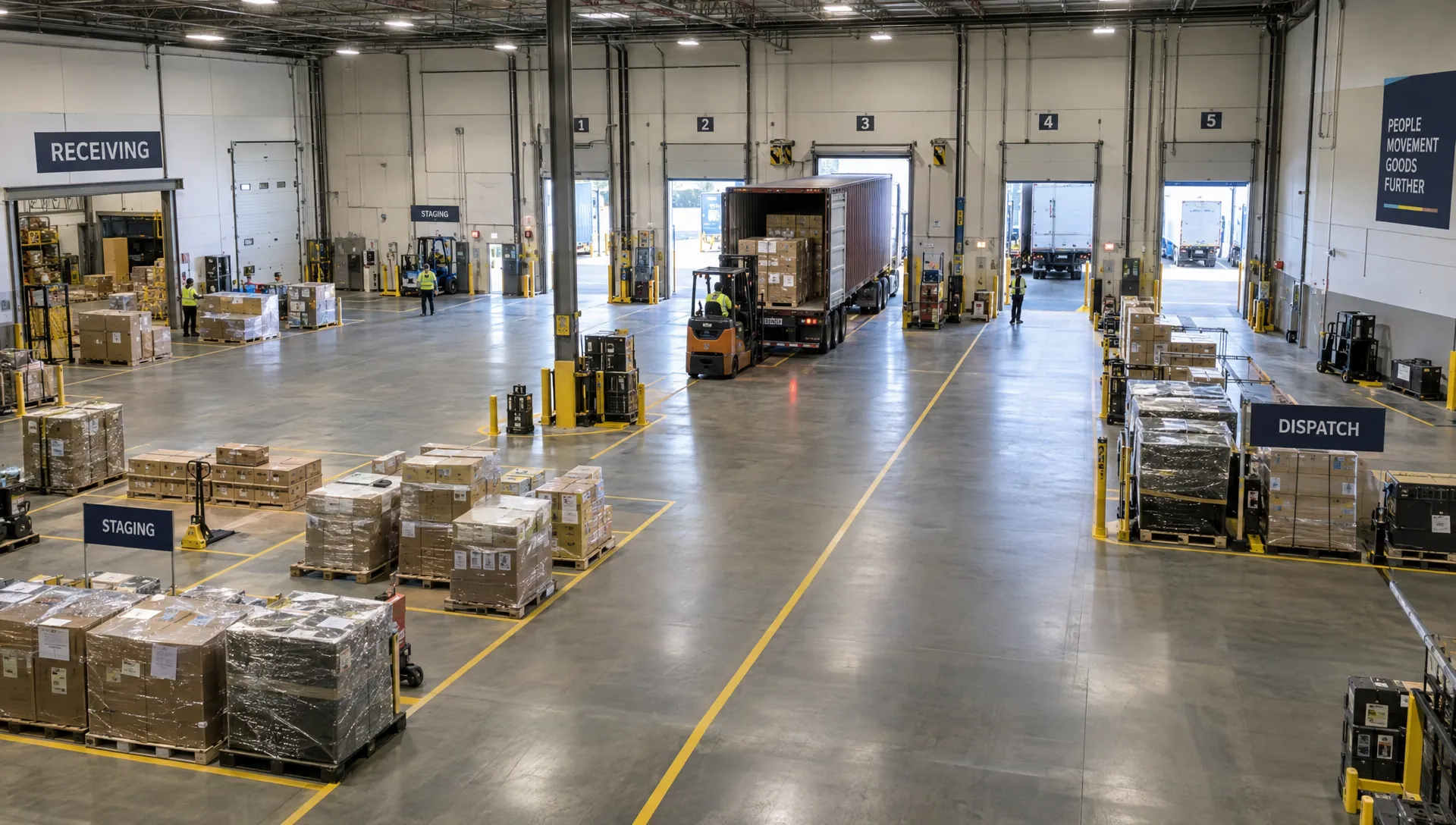
Transload space is flow-centered. It is built around speed, equipment access, labor availability, dock capacity, and mode conversion. Cargo enters the facility because it needs to be reworked, shifted, segregated, palletized, consolidated, deconsolidated, or reloaded into another type of equipment.
In practice, both services can happen under the same roof. A warehouse may provide both long-term storage and transloading. The key is understanding which operating model your freight requires most.
Decision factor | General warehousing | Transload space |
Primary goal | Store and manage inventory | Move freight between modes or equipment quickly |
Typical dwell time | Days, weeks, or months | Hours to a few days, depending on complexity |
Best for | Inventory holding, fulfillment, replenishment, seasonal buffer | Ocean import stripping, export stuffing, air cargo transfer, port or rail recovery |
Main cost drivers | Storage, handling, order processing, inventory management | Drayage, labor, equipment, pallets, reloading, detention or demurrage exposure |
Operational focus | Accuracy, capacity, security, inventory visibility | Speed, dock turns, appointment timing, equipment availability |
Transportation link | Outbound distribution from stored stock | Direct connection to ocean, air, rail, drayage, truckload, LTL, or specialized trucking |
What general warehousing does best
A storage-focused warehouse is the right fit when freight needs a home after it is received. That may sound basic, but for many supply chains, storage is what keeps sales moving.
A general warehouse can support inventory programs for importers that replenish retailers, ecommerce brands that need product near customers, manufacturers holding components, or exporters consolidating product before international shipment. The facility is typically measured by how well it protects inventory, tracks goods, controls inbound and outbound flow, and supports predictable service levels.
This model may fit best when you need:
Product stored for future orders or replenishment cycles
Inventory control by SKU, lot, purchase order, carton, pallet, or project
Pick, pack, kitting, labeling, repacking, or other value-added handling
Regional distribution near a port, airport, rail ramp, or customer base
A seasonal buffer before peak demand or after production surges
For example, a venture-backed consumer product company importing containers into Southern California may not want to ship every unit inland immediately. If demand is spread across multiple retail, wholesale, and ecommerce channels, general warehousing near the port can create a flexible inventory base. That is different from simply stripping a container and sending all freight out the same day.
The tradeoff is that long-term storage can become expensive if it is used to solve a transportation timing problem. If the real issue is that import containers need to be stripped fast to avoid equipment delays, storage may be only part of the solution. In that case, transloading could be the better first move.
What transload space does best
Transload space is designed for freight in motion. The cargo is not there because it needs to sit. It is there because the transportation plan needs a change in mode, equipment, routing, or shipment structure.
For ocean imports, transloading often means draying an import container from the terminal to a nearby facility, unloading it, then reloading the cargo into domestic trailers, flatbeds, LTL shipments, or outbound containers. This can help improve container velocity, support empty return requirements, and reduce the risk of costly delays when terminal, chassis, or receiver capacity is tight.
For air freight, transload space can help bridge time-sensitive cargo from airport recovery to trucking, staging, inspection, pallet breakdown, or onward delivery. For exports, it can be used to consolidate domestic cargo, load ocean containers, prepare freight for air export, or support special handling before international departure.
Transload space is especially useful when:
Freight arrives by one mode but must leave by another
Ocean containers need to be unloaded and returned quickly
A single container must be split to multiple consignees or destinations
Cargo needs palletization, sorting, labeling, blocking, bracing, or inspection
Linehaul equipment is cheaper, faster, or more available than keeping cargo in the original container
Import or export timing depends on vessel cutoffs, airport schedules, rail ramps, or delivery appointments
If you are deciding between transloading, cross docking, and warehousing, it helps to separate short-term flow-through from actual storage. SHIPIT has a deeper comparison of cross dock warehousing vs transloading if your freight needs fast movement but not long-term inventory holding.
Why the choice matters for ocean imports
Ocean imports often expose the difference between a storage problem and a flow problem.
A container sitting at the port is not inventory in a useful location. It is freight tied to terminal rules, appointment availability, chassis supply, free time, and empty return requirements. When importers wait too long to decide whether freight should go into storage or move through a transload, they may lose options.
The Federal Maritime Commission has increased attention on detention and demurrage billing practices, including rules around invoice information and dispute timing. The details matter, but the operational lesson is simple: importers and their logistics providers need a clear plan for container pickup, unloading, and return. The FMC overview of detention and demurrage billing practices is a useful reference for understanding why documentation and timing are so important.
Transloading can support faster import flow when the domestic destination does not require the ocean container itself. Instead of moving an international container hundreds or thousands of miles inland, cargo can be shifted into domestic truckload equipment, LTL networks, intermodal options, or specialized trailers.
That can be valuable when a container includes mixed destinations, floor-loaded cartons, heavy industrial freight, oversized cargo, or goods that need to be staged before final delivery. SHIPIT explains this import-side connection in more detail in its guide to port drayage and transloading for faster imports.
Why the choice matters for exports
Exporters face a similar decision in reverse. If cargo is ready to ship internationally but not yet containerized, transload space can serve as the staging point where domestic freight becomes export freight.
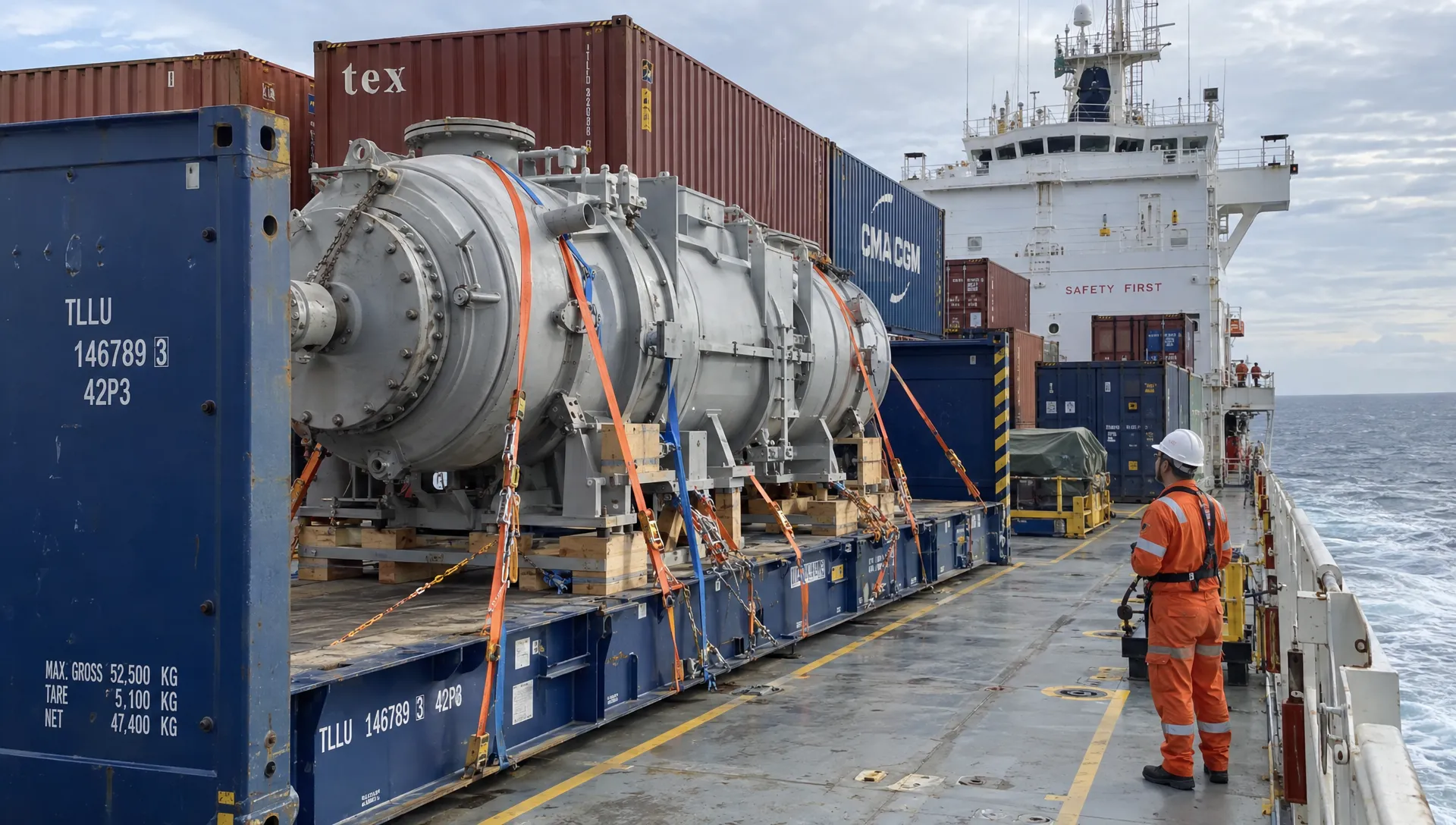
For example, multiple suppliers may deliver truckloads or LTL shipments to a facility near a port. The cargo can be checked, consolidated, and loaded into an ocean container for export. If the shipment includes machinery, project cargo, or heavy freight, the same decision may involve specialized equipment such as flatbeds, step decks, double drops, cranes, forklifts, or blocking and bracing materials.
General warehousing is better when exporters need to accumulate inventory over time before building loads. Transload space is better when the freight is ready and the main challenge is coordinating the physical transfer into international equipment while meeting vessel, airline, or truck cutoff times.
The important point is that export transloading is not just a building service. It depends on booking coordination, inland pickup timing, container availability, documentation, and drayage execution. A facility may have space, but if it cannot support the transportation plan, the operation can still fail.
How drayage and trucking change the answer
The warehouse or transload facility is only one node in the move. The transportation around it often decides which model works best.
For import ocean freight, drayage connects the marine terminal to the warehouse or transload site. The clock matters because terminal appointments, free time, chassis availability, and empty return requirements all affect cost and reliability. A transload facility that is close to the port but hard to access, poorly staffed, or short on doors may not actually improve performance.
For outbound freight, the decision depends on the next move. A shipment going to a single distribution center may be a truckload candidate. Freight going to multiple destinations may require LTL, pool distribution, or staged outbound appointments. Heavy, long, or oversized freight may require flatbed, step deck, double drop, or other specialized trucking.
This is where a logistics provider that can connect warehousing, transloading, drayage, and trucking can reduce handoff risk. For a broader view of how the right equipment fits port, rail, and final delivery moves, see SHIPIT’s guide to trucking services that fit port, rail, and final delivery.
Cost comparison: what to measure beyond the storage rate
A common mistake is comparing general warehousing and transload space by looking only at the rate sheet. That can lead to the wrong decision because the lowest storage rate is not always the lowest landed cost.
Warehouse costs usually depend on receiving, storage duration, outbound handling, order activity, labor, and any value-added services. Transload costs usually depend on container drayage, unload and reload labor, pallet materials, special equipment, outbound truck cost, and time-sensitive access to labor or doors.
The right comparison should include the total operating effect.
Cost or risk area | Why it matters |
Container free time | Delays can create detention or demurrage exposure if containers are not picked up, unloaded, or returned on time |
Drayage turns | A site that enables faster container turns can improve equipment utilization and reduce congestion risk |
Labor intensity | Floor-loaded containers, mixed SKUs, heavy freight, and special handling can make labor the true cost driver |
Outbound freight mode | Reloading into truckload, LTL, flatbed, rail, or specialized equipment changes the total cost |
Inventory dwell | If cargo will remain for weeks, a storage-focused warehouse may be more economical than a transload setup |
Delivery compliance | Retail, construction, project, or manufacturing appointments may require staging and controlled release |
The best provider will help you model the whole move rather than quote one isolated service. For many shippers, the question is not “What is the warehouse rate?” It is “What is the cost and service impact of this cargo sitting, moving, or changing modes?”
When general warehousing is the better fit
A storage-focused warehouse is usually the better choice when freight needs a managed inventory environment. If your operation depends on stock availability, accurate counts, controlled release, or recurring outbound orders, storage is not a backup plan. It is part of your distribution strategy.
This is common for importers with steady sales channels, companies holding replacement parts, brands staging inventory before promotional launches, and exporters accumulating product from multiple manufacturing locations. It also fits when goods require careful segregation, serial or lot visibility, or staged release to customers.
This approach may also be the better fit when inbound timing is uncertain but outbound demand is predictable. The warehouse becomes a buffer between international transportation volatility and customer service commitments.
However, a general warehouse should still be evaluated through a transportation lens. Ask whether it can support drayage, truckload, LTL, container access, appointment scheduling, and any special handling your freight requires. A warehouse that stores well but creates transportation friction can become an expensive bottleneck.
When transload space is the better fit
Transload space is usually the better choice when transportation timing is the main issue. If the cargo needs to move from an ocean container into domestic equipment, from inbound air freight into trucks, or from domestic shipments into export containers, storage is secondary.
This often applies to importers trying to keep containers moving, forwarders managing port recovery, freight brokers solving a capacity problem, or project shippers that need cargo reconfigured for the next leg. It also applies when a consignee cannot receive the original international container, or when cargo must be split across several destinations.
Transload space can also support resilience. If a rail ramp is congested, a port is backed up, or a receiver cannot take freight on schedule, transloading may create another routing option. The value is not just speed. It is flexibility.
That said, transloading should be planned with discipline. The provider needs the right doors, yard flow, labor, equipment, insurance approach, documentation process, and truck capacity. If customs release, export cutoffs, or delivery appointments are not aligned, even a well-located transload site can become a waiting room.
A practical decision framework
If you are unsure which option fits, start with the freight’s next required action. Does it need to be stored, or does it need to be transformed into a different transportation move?
Use these questions to guide the decision:
How long will the cargo dwell? If it will sit for weeks, general warehousing likely fits. If it should move within hours or days, transload space may fit better.
Is the cargo changing modes or equipment? If yes, transloading is likely part of the solution.
Does the freight need inventory management? If yes, choose a warehouse operation built for storage accuracy and controlled release.
Is container velocity a priority? If yes, prioritize drayage coordination, unloading speed, and empty return planning.
Does the outbound mode require special equipment? If freight needs flatbed, step deck, double drop, oversized, or heavy haul support, involve the trucking plan early.
Are customs, vessel cutoffs, airport schedules, or delivery appointments driving timing? If yes, the facility must be selected around those constraints, not just square footage.
For some shippers, the answer is both. A container may be transloaded first to protect ocean equipment timing, while part of the freight moves into general warehouse storage and the rest ships out immediately. A flexible logistics partner should be able to build that hybrid plan instead of forcing every shipment into one category.
How an end-to-end provider simplifies the decision
The more handoffs involved, the more important coordination becomes. A shipment that touches an ocean carrier, drayage provider, warehouse, transload crew, truck broker, customs broker, and final receiver can fail at any weak link.
A provider like SHIPIT Logistics can support the full chain across international freight forwarding, warehousing, transloading, air and ocean freight, ocean LCL and FCL, container drayage, pickup and delivery, LTL, truckload, specialized trucking, cargo insurance, and customs brokerage arrangement. That matters because the facility decision is connected to the freight plan from origin to destination.
In some cases, shippers need the full end-to-end solution. In others, they only need import drayage and transload service, export drayage and transload service, or a warehouse program that connects to existing carriers. The best fit is the one that solves the actual constraint without adding unnecessary complexity.
Frequently Asked Questions
Is transload space the same as general warehousing? No. A storage-focused warehouse is primarily for storing and managing inventory, while transload space is primarily for moving cargo between modes, equipment, or shipment plans. Some facilities can provide both.
When should an importer choose transloading instead of storage? Transloading often fits when an ocean container needs to be unloaded quickly, returned, and converted into domestic truckload, LTL, flatbed, rail, or multi-destination shipments.
When is general warehousing the better option? A storage-focused warehouse is better when freight needs inventory control, longer dwell time, order fulfillment, replenishment, kitting, labeling, or staged release to customers.
Can transloading support export freight? Yes. Export transloading can consolidate domestic freight, prepare cargo, load export containers, and connect the shipment to port drayage, ocean freight, air freight, or specialized trucking.
If you are weighing general warehousing against transload space, SHIPIT Logistics can help map the freight, timing, facility, and transportation requirements before you commit. Whether you need an end-to-end import or export solution, or only drayage and transload support for a specific shipment, SHIPIT can help build a plan that fits how your cargo actually moves.