Trucking Services That Fit Port, Rail, and Final Delivery

When freight moves through a port, rail ramp, warehouse, and final delivery point, the trucking decision is rarely just “book a truck.” The right move depends on container availability, rail cutoffs, consignee hours, trailer type, labor, transload needs, accessorial exposure, and how much control you need over the next handoff.
For importers, exporters, beneficial cargo owners, freight forwarders, and brokers, this is where well-matched trucking services protect the shipment. A port drayage move that is not aligned with warehouse capacity can create demurrage. A rail pickup without appointment discipline can trigger storage. A final delivery scheduled without liftgate, pallet count, or receiver requirements can turn a routine delivery into a delay claim.
The goal is not simply to find capacity. The goal is to design a trucking plan that fits the freight’s journey from vessel, aircraft, or rail ramp to the place where the product can actually be used, stored, repacked, fulfilled, or sold.
Why port, rail, and final delivery trucking need different playbooks
A container coming off a vessel, a domestic trailer moving from a rail ramp, and a palletized LTL shipment going to a retail receiver may all involve trucks, but the operating requirements are very different.
Port trucking is time-sensitive because it is tied to vessel discharge, terminal appointment systems, free time, chassis availability, customs release, and container return rules. Rail trucking is often tied to ramp storage, train availability, grounded container status, and equipment return requirements. Final delivery is usually tied to the consignee’s receiving process, which may include delivery appointments, driver assist, liftgate service, pallet exchange, inside delivery, or strict routing guide compliance.
A provider that treats all three moves the same can miss critical details. A provider that understands how these trucking services connect can help build a cleaner plan, especially when freight needs to be transloaded from ocean containers into domestic trailers, staged in a warehouse, or split across multiple destinations.
For a broader breakdown of truck modes, SHIPIT Logistics explains the differences between FTL, LTL, drayage, and final mile shipping, including when each option is best used.
The main trucking service types in an integrated freight plan
Most complex shipments rely on more than one type of trucking. The best fit depends on whether the cargo is containerized, palletized, loose-loaded, oversized, time-sensitive, or destined for multiple receivers.
Trucking service type | Best fit | Common risk if planned poorly |
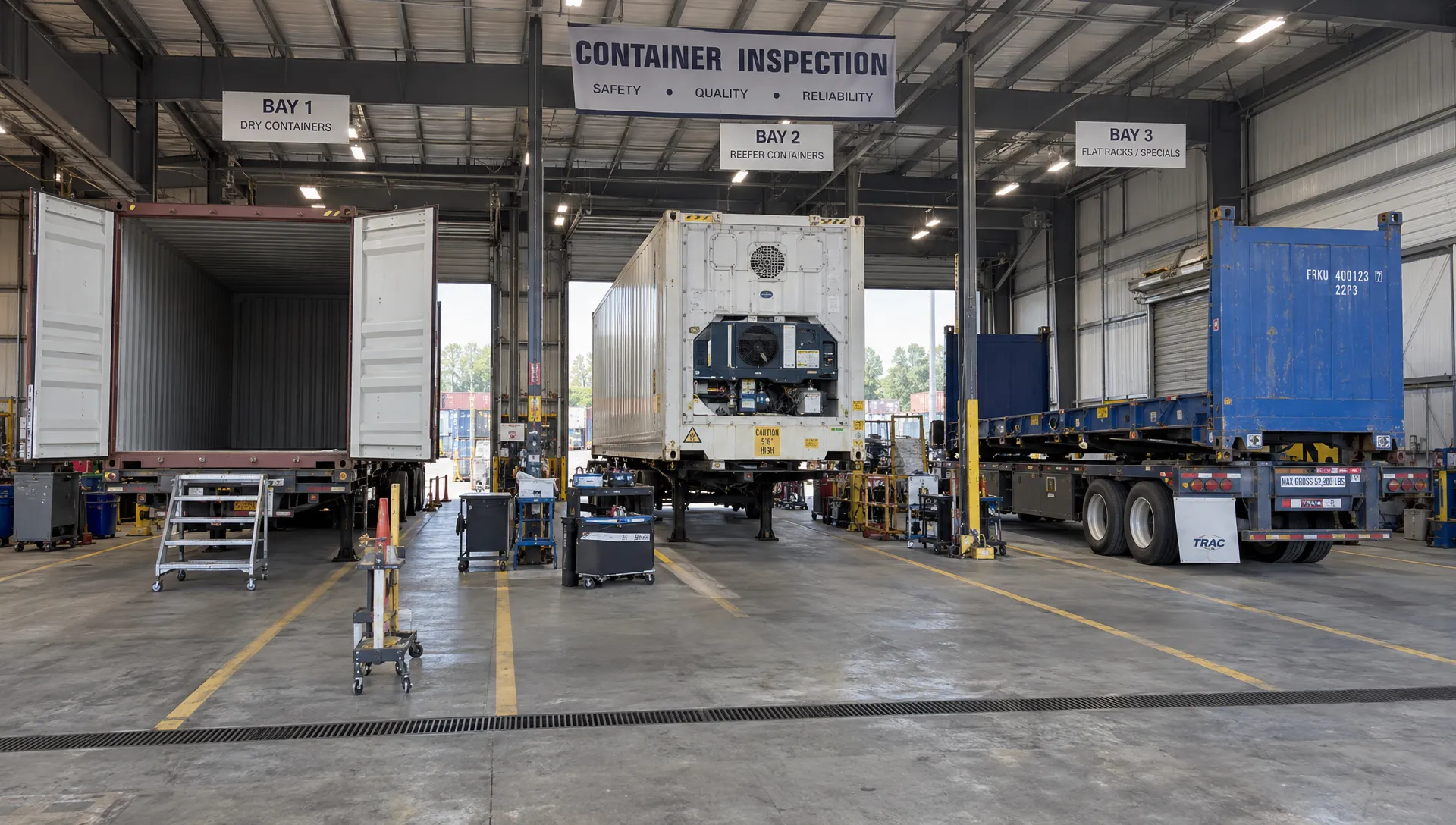
Port drayage | Moving ocean containers between marine terminals, warehouses, rail ramps, or local consignees | Demurrage, detention, missed appointments, chassis delays |
Rail drayage | Moving containers or trailers to and from intermodal rail ramps | Ramp storage, equipment return delays, missed pickup windows |
Full truckload (FTL) | Dedicated trailer moves for larger shipments or direct routes | Paying for unused capacity if freight is too small |
Less-than-truckload (LTL) | Smaller palletized shipments that do not require a full trailer | More handling, longer transit, accessorial charges |
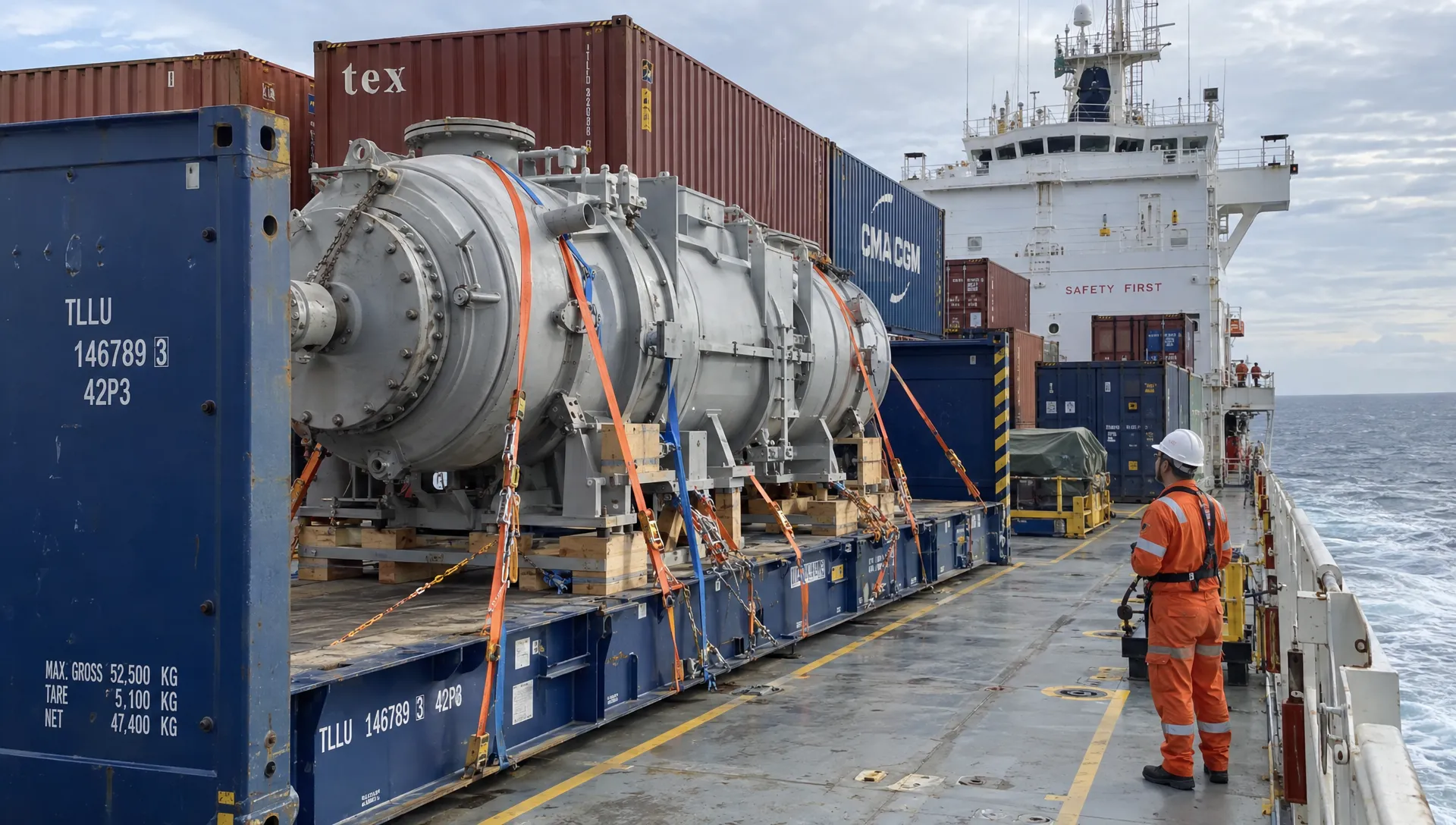
Flatbed, step deck, double drop | Machinery, construction cargo, oversized freight, or cargo requiring crane or side loading | Permit delays, route restrictions, securement issues |
Final delivery | Delivery to warehouses, retailers, jobsites, commercial facilities, or end users | Failed delivery, reattempt fees, receiver noncompliance |
The value is not only in selecting the correct mode. It is in sequencing the services so the cargo keeps moving without unnecessary touches, storage, or confusion over who controls the next step.
Port trucking: where timing, release status, and returns matter
Port drayage is often the first domestic trucking move after an ocean import arrives. It can also be the final inland move before an export container is loaded to a vessel. In both cases, the trucker’s job is tied to a much larger chain of events.
On import moves, the carrier or logistics provider typically needs to verify whether the container is available, customs has released the freight, terminal fees are resolved, and an appointment can be secured. If the container is pulled too late, demurrage can apply. If the empty container is returned too late after unloading, detention can apply. If a chassis is unavailable or the terminal changes availability, the plan may need to be adjusted quickly.
On export moves, timing revolves around cargo readiness, container availability, terminal receiving windows, vessel cutoffs, documentation, and sometimes warehouse loading schedules. A missed cutoff can delay freight by days or longer, depending on the sailing schedule.
Port trucking works best when the drayage plan is connected to the next step. If the freight is headed to a transload warehouse, that warehouse must have space, labor, appointment slots, and instructions ready. If the freight is going directly to a receiver, the delivery appointment and unloading requirements must be confirmed before the truck is dispatched.
Rail ramp moves: efficient when the handoff is controlled
Rail can be a strong option for long inland moves, especially when freight is not urgent enough for all-road service and the lane supports reliable intermodal routing. But rail does not eliminate trucking. It changes where trucking happens.
An intermodal shipment may require a truck at origin to move cargo to the rail ramp, rail linehaul across the country, and another truck at destination to complete delivery. For import containers, rail may move the original ocean container inland before final drayage or transloading. For domestic intermodal, the cargo may move in a 53-foot container or trailer.
The key is managing ramp availability, pickup windows, storage exposure, and final delivery timing. A rail container that arrives early but cannot be delivered because the consignee has no appointment can sit and accrue charges. A container that is not picked up promptly can create storage costs. A rail plan that looks inexpensive on paper can become costly if the truck move at either end is not synchronized.
For logistics teams comparing route options, it helps to evaluate the rail move and the truck move together, not separately. The lowest linehaul rate is not always the lowest landed cost if it increases dwell, handling, or missed delivery risk.
Transloading connects international freight to domestic trucking
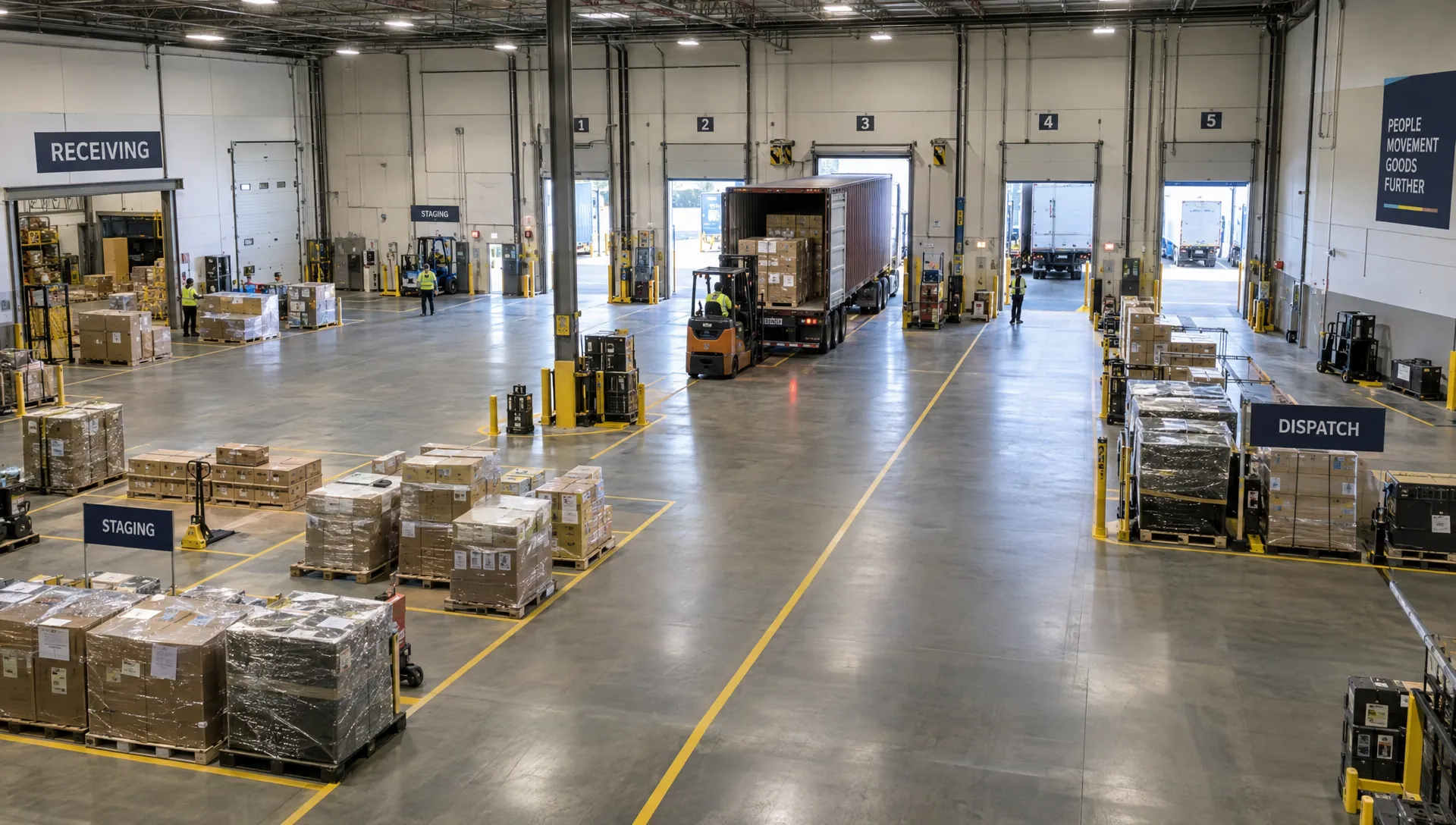
Transloading is often the bridge between international transportation and domestic distribution. In a typical import scenario, cargo is pulled from the port in an ocean container, moved to a nearby warehouse, unloaded, sorted or palletized, and reloaded into domestic trailers for inland delivery. In an export scenario, domestic freight may be received at a warehouse, consolidated, loaded into an ocean container, and drayed to the terminal.
This can be especially useful when ocean containers are expensive to hold inland, when the cargo must move to multiple destinations, or when a domestic 53-foot trailer provides better cube utilization than a 40-foot ocean container. It can also support retail allocation, e-commerce replenishment, project cargo staging, and exception management when port or rail congestion disrupts the original plan.
SHIPIT Logistics has covered how transloading can reduce dwell and fee exposure by moving freight through port-adjacent warehouse operations instead of letting containers sit at terminals or ramps.
In practice, transloading is most effective when warehousing and trucking are coordinated as one workflow. The warehouse needs accurate inbound details. The trucking team needs live scheduling updates. The consignee or final receiver needs clean outbound documentation. When those pieces are managed separately, delays often shift from the terminal to the warehouse door.
Choosing between direct drayage, transload, FTL, and LTL
Not every shipment needs a transload. Not every shipment should move direct. The right decision depends on volume, urgency, destination mix, warehouse capacity, and equipment availability.
Direct drayage may be the best choice when a full import container is going to a single nearby consignee, the receiver can unload quickly, and the empty container can be returned within free time. Transloading may fit better when the cargo is going to multiple inland destinations, needs palletization or labeling, or would benefit from shifting into domestic equipment. FTL works well when the shipment can fill or justify a dedicated trailer. LTL can be the right option when volume is smaller, delivery timing is flexible, and the freight is packaged to withstand more handling.
A simple decision framework can help:
Situation | Likely trucking approach | Why it fits |
Full container to one local receiver | Direct import drayage | Fewer touches and faster local delivery |
Import container with multiple inland destinations | Port drayage plus transload and outbound FTL or LTL | Supports distribution and container return control |
Time-sensitive air import | Airport recovery plus direct truck or expedited delivery | Protects speed after arrival |
Heavy machinery or oversized cargo | Specialized flatbed, step deck, double drop, or heavy haul | Matches equipment to cargo dimensions and loading method |
Retail or commercial final delivery | FTL, LTL, or final mile with appointment management | Aligns with receiver requirements |
Export consolidation | Domestic pickup, warehouse staging, container loading, port drayage | Builds a cleaner export process before vessel cutoff |
The real cost of a poor choice often appears later as detention, layover, rework, storage, rejected freight, or missed delivery penalties. That is why logistics teams should evaluate the entire move, not just the trucking rate.
Final delivery is where planning becomes visible to the customer
Final delivery is the point where upstream logistics performance becomes visible. The receiver does not always see vessel delays, rail schedules, customs timing, or warehouse constraints. They see whether the delivery arrived on time, in the expected condition, with the right paperwork, and according to their receiving rules.
This is especially important for importers and product companies shipping to retailers, distributors, fulfillment centers, construction sites, manufacturing plants, or customer locations. A final delivery failure can affect chargebacks, project timelines, inventory availability, and customer trust.
Good final delivery planning should clarify several details before dispatch:
Whether the receiver requires an appointment, delivery window, or routing guide compliance
Whether the freight requires liftgate, inside delivery, driver assist, or special unloading equipment
Whether pallet counts, weights, dimensions, commodity descriptions, and reference numbers are accurate
Whether access limitations exist, such as residential zones, construction sites, low-clearance areas, or restricted delivery hours
Whether proof of delivery, photos, signatures, or shipment status updates are required
These details may seem operational, but they directly affect cost and service. A low-cost truck option that lacks the required final delivery capability can quickly become more expensive than the right service booked from the start.
How warehousing improves trucking flexibility
Warehousing gives logistics teams options. When freight has to move immediately from port to receiver, there is little room for disruption. If the receiver is full, the container is delayed, or the delivery appointment is unavailable, the shipment can become trapped in a costly waiting pattern.
A warehouse or transload facility creates a controlled buffer. Cargo can be received, counted, inspected, segregated, palletized, relabeled, staged, or reworked before outbound trucking. This is valuable for import recovery, seasonal surges, retail allocation, product launches, project freight, and situations where the final destination is not ready when the freight arrives.
For air freight, a warehouse can support fast recovery and immediate onward trucking. For ocean freight, it can help return containers faster and reduce the need to keep international equipment tied up inland. For rail freight, it can provide a place to unload and re-route cargo if final delivery appointments are not aligned with ramp availability.
This is also where a provider with freight forwarding, warehousing, transloading, and trucking capabilities can simplify execution. Instead of managing separate vendors for port pickup, warehouse receipt, outbound truckload, LTL distribution, and final delivery exceptions, shippers can work from a more integrated plan.
What to look for in trucking services for connected freight
When trucking supports port, rail, warehouse, and final delivery activity, the provider should be evaluated on more than price per mile. Capacity matters, but coordination matters just as much.
Look for a partner that understands the operational details around terminals, rail ramps, warehouse docks, equipment types, cargo characteristics, and delivery requirements. For regulated transportation in the United States, businesses can also verify operating authority and safety information through official resources such as the FMCSA SAFER system, where applicable.
In practical terms, a strong trucking and logistics partner should be able to discuss:
Drayage requirements, terminal appointments, chassis considerations, and container return planning
Rail ramp timing, storage exposure, and destination drayage coordination
Transload workflows, warehouse labor, palletization, staging, and outbound trailer planning
FTL, LTL, flatbed, step deck, double drop, oversized, and out-of-gauge needs
Final delivery constraints, receiver appointments, documentation, and accessorial risk
Communication expectations, exception escalation, and shipment visibility
SHIPIT Logistics approaches these requirements as part of a broader freight solution, with services that can support international freight forwarding, warehousing, transloading, drayage, truckload, LTL, specialized trucking, and final delivery. Depending on the shipment, that may mean an end-to-end import or export program, or a focused drayage and transload service for one critical gateway.
For shippers evaluating the bigger picture, this connects closely to what an end-to-end freight logistics company should manage, from planning and documentation through gateway operations and delivery.
Common mistakes that make trucking more expensive
Many trucking cost problems begin before a truck is dispatched. The shipment is booked without complete dimensions. The container is available, but the warehouse has no dock appointment. The consignee requires a delivery number that no one requested. The cargo needs a flatbed, but the quote assumed a dry van. The truck waits, the appointment is missed, and the accessorials start accumulating.
Some of the most common planning mistakes include assuming all drayage providers cover every terminal or rail ramp, booking LTL for freight that is not properly packaged, overlooking weight distribution on container loads, missing empty return deadlines, and failing to confirm receiver requirements. Another frequent issue is separating the international move from the domestic move too late. By the time the container is available, there may be limited capacity or no warehouse space to support the preferred plan.
A better process starts upstream. Before the freight arrives, confirm the cargo profile, release status, equipment needs, routing options, warehouse capacity, final delivery requirements, and contingency plan. This allows trucking services to be matched to the actual shipment instead of forced into a plan that no longer fits.
A practical planning checklist for connected trucking
A connected trucking plan should answer the questions that affect execution, cost, and accountability. It does not need to be complicated, but it does need to be complete.
Before booking, confirm the shipment’s origin and destination details, cargo dimensions and weight, commodity type, packaging, equipment requirements, pickup and delivery windows, and any special handling needs. For port and rail moves, confirm availability, free time, storage exposure, appointment requirements, and return rules. For warehouse moves, confirm dock capacity, labor, operating hours, pallet requirements, and outbound routing. For final delivery, confirm receiver instructions, accessorial needs, and documentation requirements.
The best plans also include a fallback option. If the receiver cannot take delivery, can the freight be staged? If a container cannot be returned on time, who escalates? If rail timing changes, can outbound trucking be rebooked? If the cargo must be split, can the warehouse and transportation plan support it?
These answers help logistics managers, brokers, and forwarders make faster decisions when conditions change.
Frequently asked questions
What trucking services are commonly used for port freight? Port freight often uses drayage to move containers between marine terminals, warehouses, rail ramps, and local receivers. Depending on the shipment, drayage may be paired with transloading, FTL, LTL, or final delivery.
When does transloading make sense after an ocean import? Transloading can make sense when cargo needs to move to multiple destinations, when domestic trailers offer better utilization, when containers need to be returned quickly, or when freight requires palletizing, labeling, inspection, or staging.
How are rail and trucking services connected? Rail typically handles the long inland linehaul, while trucks handle origin pickup, destination ramp recovery, and final delivery. The plan must account for ramp storage, pickup windows, appointments, and equipment return requirements.
Is direct drayage cheaper than transloading? Sometimes, but not always. Direct drayage can be efficient for a full container going to one receiver. Transloading may reduce overall cost when it helps avoid dwell, improves trailer utilization, supports multi-stop distribution, or prevents container detention.
Can one provider handle port drayage, warehousing, transloading, and final delivery? Yes, some logistics providers can coordinate these services together. This can reduce handoffs and improve visibility, especially for import and export programs with multiple transportation and warehouse steps.
If your freight needs to move cleanly from port, airport, rail ramp, warehouse, or final delivery point, SHIPIT Logistics can help you design trucking services that fit the shipment instead of forcing the shipment into a generic truck move. Whether you need an end-to-end import or export solution, or focused drayage and transload support at a key gateway, SHIPIT Logistics can help coordinate the next step with the full supply chain in mind.