CPT Shipping Terms When Airport Handoffs Fail

Updated: Oct 1
Airport handoffs are where CPT air shipments stop being a tidy Incoterms decision and start becoming an exception-management exercise. The commercial tension is specific: under CPT terms in shipping, the seller may still control the freight contract after the buyer may already carry the transit risk.
That split is manageable when cargo flies as booked. It becomes painful when an airline refuses tender, a screening status breaks, freight is rolled after acceptance or the destination terminal will not release cargo to the consignee's trucker. The shipment is not just late. The parties now have to answer two questions at once: who carries the risk and who has the practical authority to fix the move?
For logistics managers, the answer usually sits in the seam between the sales contract, transport documents, airport terminal status and the forwarder's operating file. The Incoterm alone is not enough.
CPT terms in shipping: the fault line is the carrier receipt, not the freight bill
Under the International Chamber of Commerce Incoterms® 2020 rules, CPT means the seller contracts and pays for carriage to the named destination. Risk transfers when the goods are delivered to the carrier, or to another person nominated by the seller, depending on how the transaction is structured.
In air freight, that creates an uncomfortable distinction. CPT ORD airport, CPT LAX cargo terminal or CPT Frankfurt airport may describe the point through which the seller pays freight, but it does not automatically mean the seller carries risk until arrival at that airport. In many CPT terms in shipping disputes, the named destination receives all the attention during procurement, while the risk-transfer event hides earlier in the chain.
The carrier receipt can be especially ambiguous in forwarder-controlled air moves. If the forwarder receives the cargo as a contracting carrier and issues a house air waybill, risk may have transferred before the airline ever accepts the freight at its terminal. If the forwarder is acting only as an arranging agent and the airline refuses tender, the seller may not have completed delivery to the carrier. The exact answer depends on the sale contract, the role of the forwarder and the transport document.
SHIPIT's broader Incoterms® 2020 overview is useful for the term-by-term structure, but airport exceptions require a narrower operating lens: which receipt proves delivery, which party can instruct the carrier and which party pays for recovery work that the Incoterm did not spell out.
Where airport handoffs fail in CPT air freight
Airport handoff is not one event. It can include pickup from the shipper, intake at a forwarder's warehouse, transfer to an airline terminal, cargo screening, ULD build, flight departure, arrival terminal availability and release to a destination trucker. Each status has a different operational meaning.
For time-sensitive air cargo, the following failure points create the most friction under CPT terms in shipping.
Airport failure points and recovery moves
Failure point | Typical trigger | CPT issue to settle | Operational move |
Forwarder pickup or warehouse intake fails | Cargo not ready, carton count mismatch, export documents not released or packaging not roadworthy | Was there delivery to a carrier or only a failed pickup attempt? | Reconfirm ready time, correct documents, protect the next cutoff and update the booking |
Airline terminal refuses tender | Dimensional mismatch, poor packaging, embargo, incorrect commodity data or incomplete DG paperwork | If the airline never accepted the freight, seller delivery may not be complete unless another carrier receipt controls | Recover cargo, rework packaging, correct labels or declarations and re-tender |
Cargo is accepted then rolled | Capacity change, ULD replan, missed connection or airline operational disruption | Risk may have passed, but the seller or its forwarder may still control the air waybill and routing instructions | Secure alternate uplift, split critical pieces or move to another gateway |
Screening status breaks | Chain-of-custody issue, unknown shipper problem, incomplete security information or commodity restriction | Determine whether the exception happened before or after carrier acceptance | Hold freight in a controlled facility, rescreen where permitted and document custody |
Destination release fails | Broker data mismatch, unpaid terminal charges, consignee name discrepancy or trucker dispatch before availability | Seller paid carriage to the named destination, but buyer may own import clearance and pickup obligations | Align broker, terminal, forwarder and trucker before storage escalates |
Damage or shortage is found at arrival | Split lot, terminal handling damage, pilferage or misrouted piece | Claim path depends on chain of custody and accepted transport documents | Preserve photos, OS&D notes, weight records, air waybill status and survey reports |
Dangerous goods at airline tender
Dangerous goods amplify these issues. Lithium batteries, aerosols, chemicals and machinery with fuel residues can be booked correctly from a commercial standpoint and still fail at tender if the package, declaration, overpack marking or airline variation is wrong. For regulated cargo, the IATA Dangerous Goods Regulations framework remains the operational baseline, and the forwarder's DG review should happen before freight reaches the terminal.
The document procurement reads is often not the document operations needs
Procurement teams tend to focus on the purchase order term and the named destination. Operations needs a more granular evidence set. The risk analysis should be tied to status events that can be audited later, not verbal confirmation that the cargo was sent to the airport.
Useful evidence can include the forwarder pickup receipt, warehouse receipt, forwarder's cargo receipt, house air waybill, master air waybill, airline terminal acceptance, eAWB milestones, screening records and terminal exception notices. None of these documents is universally decisive in every CPT fact pattern. Their value depends on whether the issuing party was acting as carrier, agent, warehouseman or terminal operator.
This is where CPT terms in shipping become less about terminology and more about operating discipline. If a forwarder issues a house air waybill at its warehouse and later the airline rejects cargo for a dimensional discrepancy, the buyer and seller may disagree about whether the risk already moved. If the sales contract says risk transfers only upon airline acceptance, that dispute looks different. If the contract is silent, the parties may be stuck reconstructing intent from documents and conduct.
For critical uplift, cutoff discipline is part of the same evidence chain. A truck that arrives 20 minutes before tender cutoff with unscreened, mismeasured freight is not really a successful handoff. SHIPIT's article on forwarding air cargo without missing critical cutoffs goes deeper into planning backward from airline tender, which is often the difference between a recoverable exception and a missed launch.
The first hour after a failed handoff matters more than the blame memo
When an airport handoff fails, the parties often start by arguing responsibility. That is understandable, but the cargo clock keeps running. Storage accrues, capacity disappears and the next available flight may require a different gateway, packaging format or airline.
A mature SOP for airport exceptions under CPT terms in shipping should preauthorize decisions that cannot wait for a commercial committee. The goal is not to erase contractual rights. It is to preserve options while the risk and cost allocation is documented in parallel.
Decision needed quickly | Why delay hurts | Recommended control |
Confirm physical custody and acceptance status | The risk analysis changes if cargo was never accepted by a carrier | Require timestamped status from forwarder, terminal or carrier |
Remeasure and reweigh the freight | Airline tender can fail when booked dimensions do not match actual freight | Maintain a dimensional audit process at the warehouse or recovery site |
Approve rework or transload | Cargo may need new skids, labels, overpacks, banding or segregation before re-tender | Preapprove spend thresholds and rework scope |
Select alternate gateway or carrier | Same-day capacity can disappear quickly, especially for oversize or dense freight | Define who can authorize reroute and cost escalation |
Split urgent pieces | Partial recovery may protect production, launch dates or service commitments | Define rules for split shipment priority and notification |
Preserve claim evidence | Without terminal records and photos, recovery from carriers or insurers weakens | Capture OS&D notes, exception messages, images and custody records immediately |
Transloading is the pressure relief valve in failed air handoffs
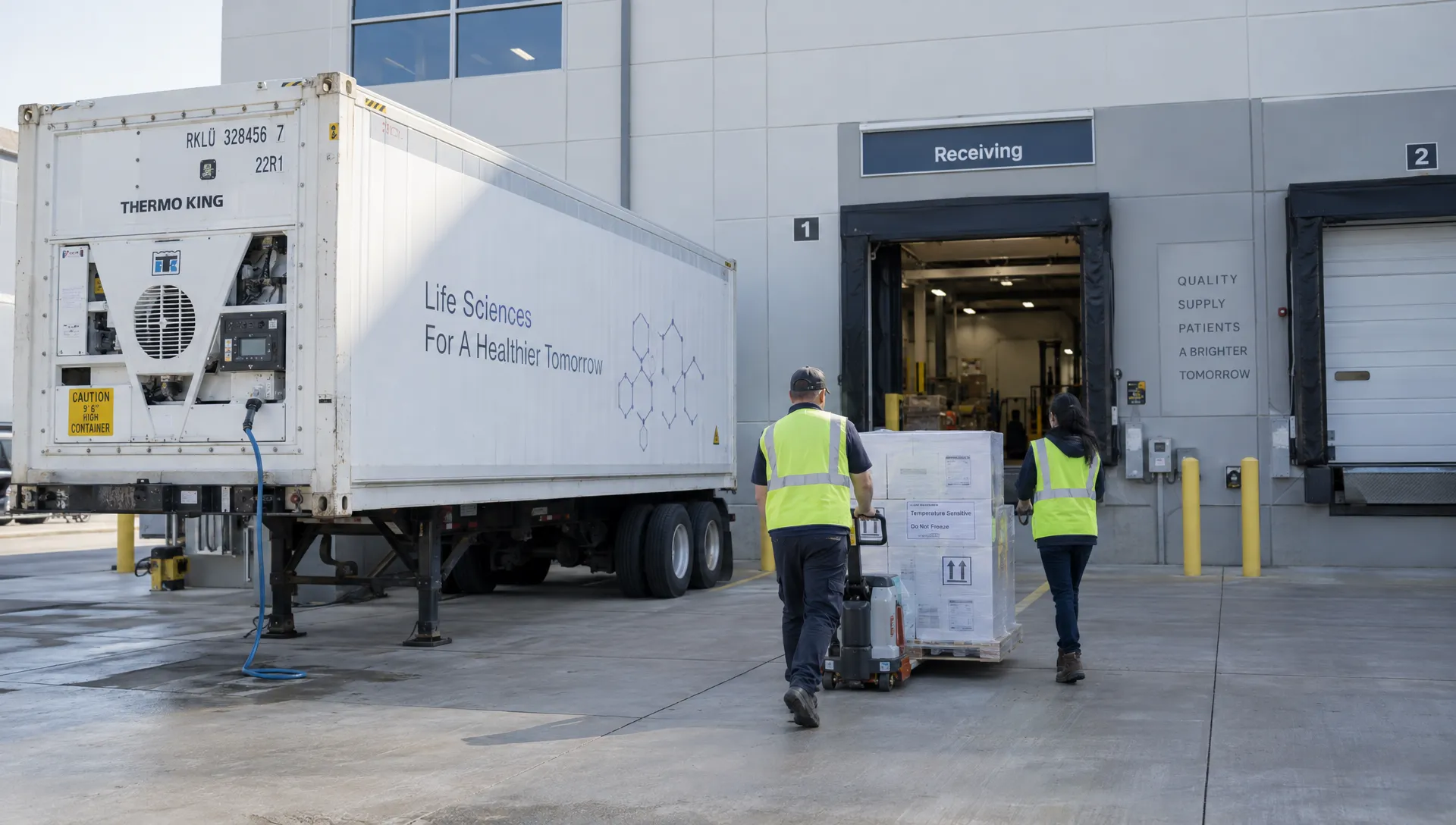
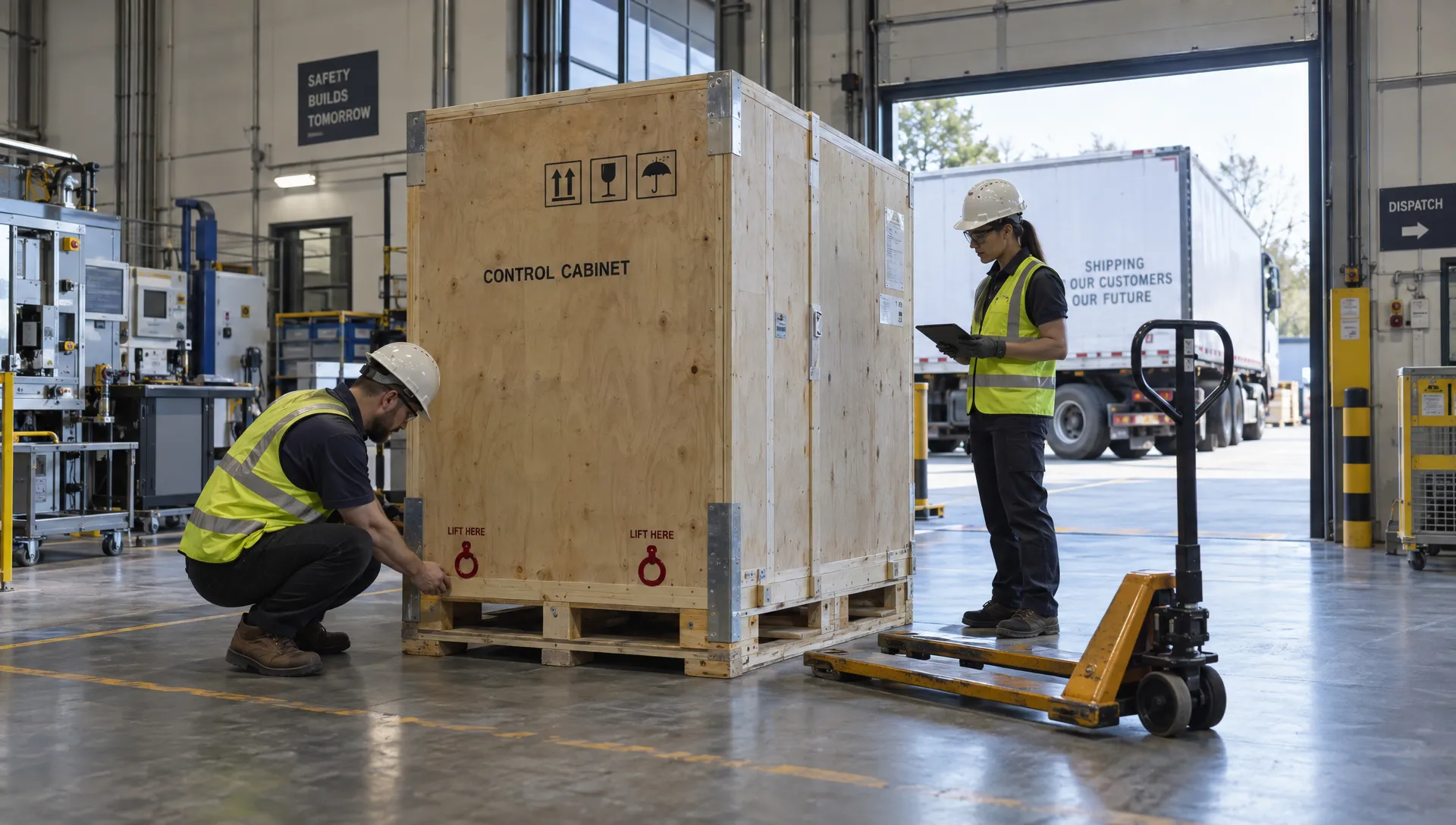
Airport terminals are poor places to solve complex freight problems. They are designed for throughput, not root-cause correction. When cargo is refused or at risk of being rolled again, a nearby warehouse or transload facility can become the control point that keeps the shipment viable.
For air exports, transloading may mean pulling freight back from the terminal, breaking down pallets, correcting carton labels, rebuilding skids, segregating a noncompliant piece or converting the move to another mode. For air imports, it may mean recovering freight from the airline terminal, reconciling piece count, separating orders, palletizing for LTL or truckload, then dispatching final delivery.
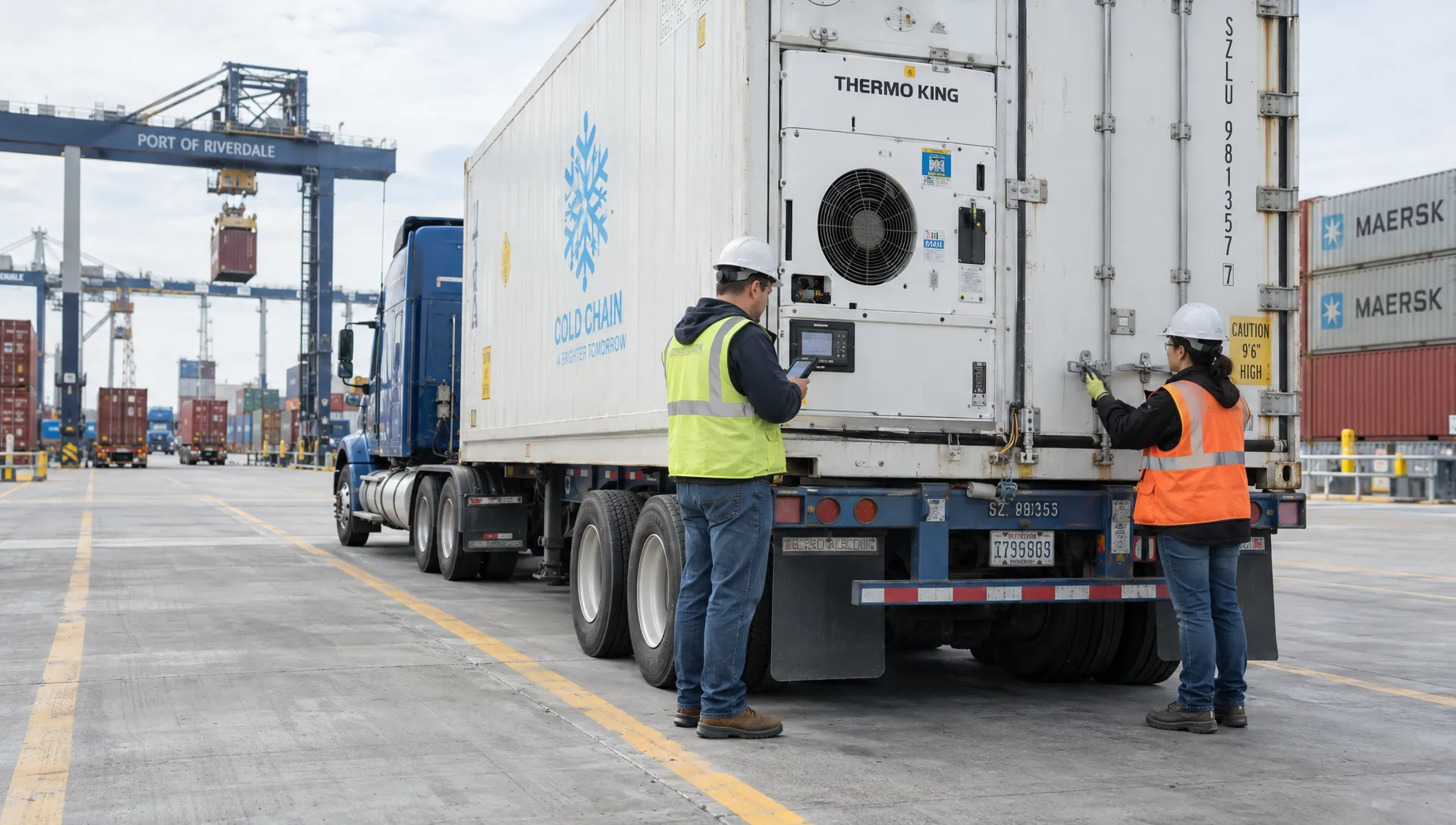
The connection to ocean, drayage and trucking is more common than many air teams expect. A high-priority SKU may start in an import ocean container, get drayed to a transload warehouse, then move by air to rescue a stockout. A machinery shipment may arrive by air but require flatbed, step deck or specialized trucking after airport recovery. A failed air tender may also be diverted into expedited truckload if the domestic lane can still meet the delivery commitment.
In these hybrid moves, CPT terms in shipping should be supported by a mode-neutral exception plan. The plan should say whether the seller's freight-paid obligation covers only the booked air leg, an alternate airport, a warehouse recovery move or a truck substitution if air fails. Without that language, the commercial team may assume flexibility that the operations team cannot buy quickly.
For the ground side, the same handoff discipline applies. SHIPIT's guide to trucking services that fit port, rail and final delivery is relevant when an airport exception turns into an alternate gateway, transload, LTL, truckload or final-mile recovery problem.
Destination airport failures are not automatically seller failures
Many disputes over CPT terms in shipping happen after the flight arrives. The buyer sees that the seller paid air freight to the destination airport and assumes the seller should solve every post-arrival issue. Under CPT, that is not always correct.
If the cargo is available at the named destination and the remaining issue is import clearance, consignee data, destination terminal payment or pickup appointment, the buyer may be responsible under the sale contract. At the same time, the seller's forwarder may still be the party the airline terminal recognizes for certain instructions or documents. That mismatch creates delays even when the legal allocation is clear.
The practical solution is to define destination handoff requirements before departure. For importers using CPT, the pre-alert should include the air waybill numbers, piece count, gross weight, commodity description, arrival terminal, local agent contact, destination charge expectations, broker contact and pickup requirements. If the buyer's trucker needs a delivery order or terminal release from the seller's forwarder, that workflow should not be discovered after free time begins to run.
This is especially important for bonded moves, high-value cargo, temperature-sensitive freight, aircraft-on-ground parts and retail launch freight. A destination terminal exception may not be the seller's risk, but it can still damage the buyer's operation if the instruction chain is slow.
Draft CPT air shipments with airport exceptions in mind
CPT terms in shipping can work well for air freight when drafted as an operating model, not just a three-letter term on a purchase order. The most effective contracts do not rewrite Incoterms. They add the missing detail around evidence, authority, exception spend and recovery scope.
Control | Add to the sale contract or SOP | Why it matters |
Named destination precision | State the airport, terminal, CFS or forwarder facility when relevant | Reduces disputes over where freight-paid carriage ends |
Risk-transfer evidence | Define whether accepted proof is a pickup receipt, FCR, HAWB, MAWB or airline terminal acceptance | Prevents after-the-fact arguments over delivery to carrier |
Airport refusal protocol | Identify who receives notice, who can approve recovery and how quickly decisions must be made | Keeps cargo from sitting while parties debate responsibility |
Transload and rework authority | Preapprove dimensional audits, pallet rebuilds, relabeling, overpack work and segregation | Enables fast correction without waiting for a new PO |
Alternate routing rules | Define when the forwarder can use another airline, airport, gateway or truck substitution | Protects service when the original flight plan collapses |
Insurance requirements | Require separate cargo insurance, declared value or use CIP when seller-provided insurance is expected | CPT does not require the seller to insure the cargo |
Claims evidence | Require photos, terminal reports, seal records, scale tickets, exception notices and air waybill status | Preserves recovery options against carriers, terminals or insurers |
Insurance and carrier liability
The insurance line deserves attention. CPT does not obligate the seller to procure cargo insurance. If the buyer expects seller-controlled insurance, the parties should either specify it separately or evaluate whether CIP better fits the commercial intent. For international air carriage, carrier liability may also be limited by treaty, tariff or contract unless a higher value is declared and accepted. That is not a substitute for cargo insurance on high-value or time-critical freight.
A cleaner escalation model for logistics teams
For mature logistics teams, the best airport exception process under CPT terms in shipping is built around parallel workstreams. One team preserves the contractual record. Another team keeps recovery options alive.
The operating sequence should be simple. First, confirm where the cargo physically is, who has custody and whether a carrier acceptance event occurred. Second, identify the immediate recovery choices: rework, re-tender, split, reroute, truck, hold or return. Third, issue a written exception notice that separates operational facts from cost allocation. Fourth, preserve evidence for claims and insurance while the cargo is still visible.
The worst move is to let the airport terminal become the warehouse of last resort. Once freight sits in an airline facility with an unresolved exception, the shipper loses time, visibility and leverage. A controlled recovery through warehousing, transloading and trucking gives the parties more options, even if the final cost allocation is resolved later.
How an integrated provider reduces the CPT gray zone
Airport handoff failures often require more than an air export desk. They may need pickup and delivery coordination, warehousing, transloading, LTL or truckload, flatbed capacity, oversized freight handling, customs brokerage arrangement, cargo insurance support and a forwarder network that can rebook intelligently.
A provider like SHIPIT Logistics can support international freight forwarding, air and ocean services, warehousing, transloading, container drayage, trucking and related supply chain services under one coordinated plan. That matters when a CPT air shipment starts as an ocean import transload, shifts to air for urgency or needs airport recovery before moving by truck to the final consignee.
It also matters when the scope is intentionally narrow. A shipper, broker or forwarder may keep the main international carriage and use SHIPIT only for import or export drayage and transload support, airport recovery, rework, pickup and delivery or domestic trucking. In exception management under CPT terms in shipping, the right provider is often the one that can take over the seam without trying to take over the entire transaction.
FAQ
Under CPT, who is responsible if the airline rejects cargo at the origin airport? If no carrier delivery has occurred, the seller may still need to cure the failure. If a forwarder accepted the cargo as carrier before airline tender, risk may already have transferred to the buyer. The sales contract, forwarder's role and transport documents control the analysis. Transloading should be authorized before the shipment moves. If the SOP already authorizes recovery, relabeling, pallet rebuilds, segregation and alternate routing within defined limits, the forwarder can protect the next cutoff instead of waiting for emergency approval.
Does CPT make the seller responsible for destination airport storage? Not automatically. The seller pays carriage to the named destination, but import clearance, destination pickup and post-arrival charges may sit with the buyer unless the contract or carriage arrangement says otherwise.
What document best proves risk transfer in CPT air freight? There is no universal document. A house air waybill, master air waybill, forwarder's cargo receipt, warehouse receipt or airline terminal acceptance can matter, but only in context. The contract should define the accepted proof before shipment.
Is CPT a good fit for high-value air cargo? It can be, but insurance must be handled deliberately. CPT terms in shipping do not require the seller to insure the cargo, so buyers should address cargo insurance, declared value and claim rights before tender.
For CPT air freight that depends on clean airport handoffs, fast recovery and coordinated transloading or trucking, SHIPIT Logistics can help structure the operating plan around the real seams in the move. Whether you need end-to-end forwarding or targeted import/export drayage and transload support, align the handoff rules before the exception happens.