Ocean Container Shipping Forwarder Checks for Reefer PTIs

A passed pre-trip inspection does not, by itself, authorize loading temperature-sensitive cargo. An ocean container shipping forwarder needs to connect the reefer PTI record to the assigned equipment, approved cargo settings, powered transport plan and receiving conditions. The operational question is whether that specific container can enter the shipment plan without an unresolved equipment or temperature-control risk.
For pharmaceutical inputs, battery materials and industrial chemicals, a technically serviceable reefer can still be unsuitable for the booking. Incorrect ventilation, unavailable genset power or an unqualified transfer location can undermine the shipment after the depot has issued a passing report. Use the following release gates before dispatch, not after the empty container reaches the loading dock.
Establish the PTI acceptance basis before equipment release
Require an identifiable inspection record rather than a booking note that says “PTI complete.” The release packet should connect the container number, refrigeration-unit identity where recorded, inspection location, completion date and test result. Where repairs occurred, obtain the corrective-action record and subsequent acceptance evidence.
There is no universal PTI validity period that applies to every carrier, equipment type and cargo program. Confirm the carrier’s acceptance requirements and any stricter shipper quality requirements. Also establish what triggers another inspection or functional check, such as an intervening machinery fault, repair or suspected handling damage.
An ocean container shipping forwarder should verify that the inspected unit is the unit actually dispatched. A last-minute equipment substitution must reopen the identity and acceptance checks, even when the replacement has the same nominal size.
Keep three approvals separate: machinery serviceability, physical container suitability and cargo-specific acceptance. A PTI does not replace the container’s applicable structural examination requirements or the cargo owner’s quality-release decision.
Inspect machinery evidence and physical condition separately
The inspection scope depends on the unit manufacturer, carrier procedure and equipment configuration. Ask what was tested and how exceptions were resolved rather than imposing a generic pass threshold on every reefer model.
Check area | Evidence to request | Reason to hold release |
Refrigeration and heating | Completed test results under the applicable procedure | Failed function or unresolved fault |
Fans and defrost | Recorded functional checks where included in the procedure | Malfunction affecting temperature control or airflow |
Temperature sensors and controller | Sensor checks, alarm review and calibration evidence where required | Unexplained discrepancies or unresolved alarms |
Electrical equipment | Condition of cable, plug and relevant connections | Damage or incompatibility with the planned power supply |
Cargo compartment | Cleanliness, odor, floor channels, drains, doors and seals | Contamination, damage or obstructed airflow |
Specialized functions | Verification of required humidity or atmosphere-control capability | Required feature absent or not accepted |
The ocean container shipping forwarder should distinguish a machinery test from loaded-cargo performance qualification. An empty-unit pull-down result does not establish product-core temperature, pallet-level uniformity or performance through every planned power interruption.
Request photographs where condition matters, but do not treat photographs as substitutes for functional test records.
Lock cargo instructions before anyone programs the controller
Issue one controlled instruction sheet covering the approved set point, permitted tolerances, ventilation setting, humidity requirements if applicable and any controlled-atmosphere instructions. Identify the person authorized to change those instructions.
Do not confuse supply-air temperature, return-air temperature and product temperature. Their relationships depend on operating mode, cargo and loading conditions. Monitoring and alarm instructions should identify which measurement drives escalation.
Cargo should normally enter the reefer at its required transport temperature unless the approved commodity procedure specifies otherwise. Machinery designed to maintain temperature should not be assumed capable of removing a large, unplanned product heat load.
For an ocean container shipping forwarder, loading approval also requires usable internal dimensions, payload and airflow space for the actual reefer supplied. Do not transfer a dry-container loading plan directly to a reefer or assume 45-foot reefer availability on a particular lane.
Pro-Tip: Record the approved settings and the actual controller display before loading and again at the next controlled handoff. This helps distinguish an instruction error from a later equipment or handling event.
Make port drayage a powered handoff, not just a truck appointment
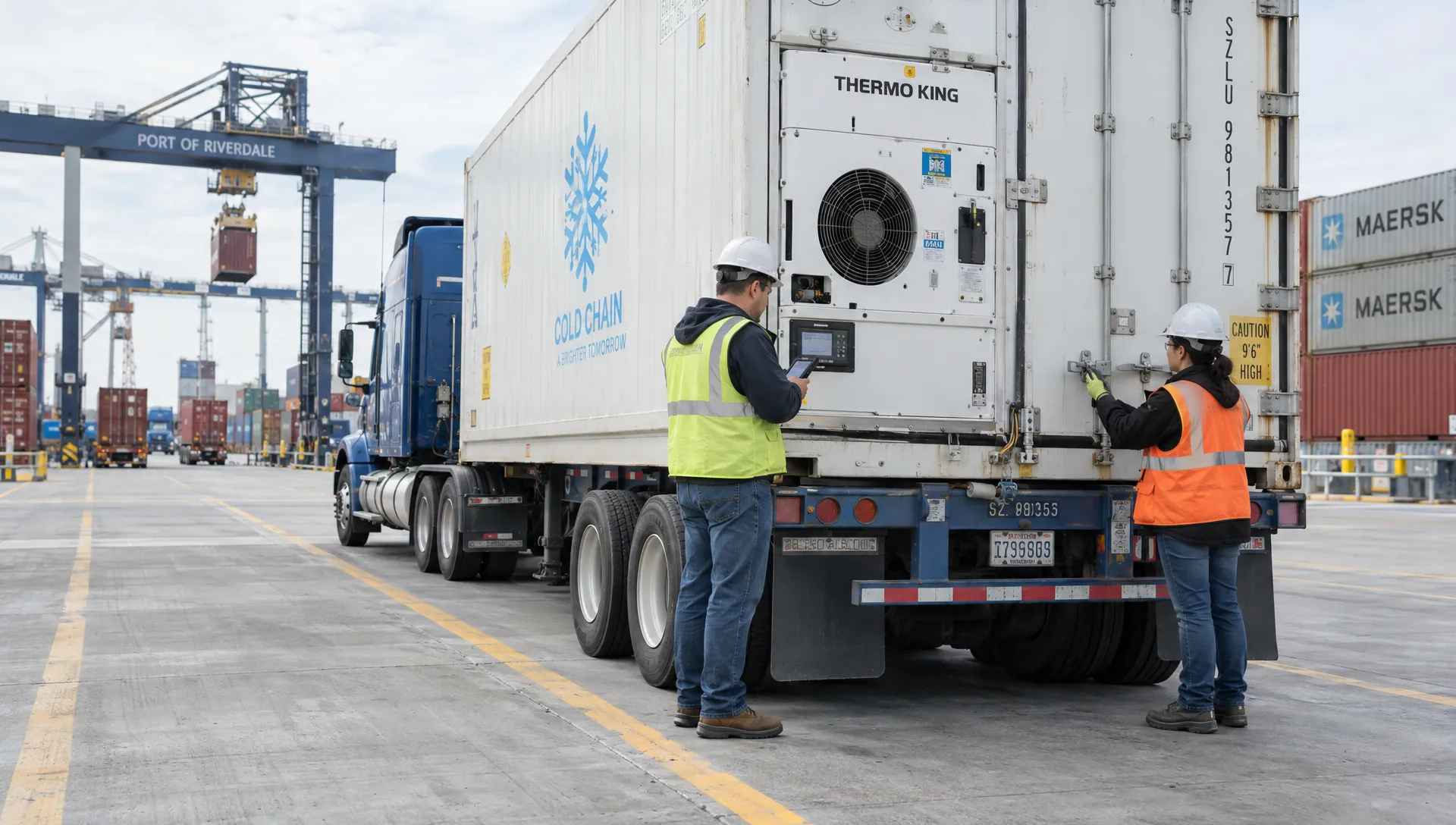
A reefer can leave the depot in acceptable condition and still encounter an uncontrolled temperature interval during inland transport. Before dispatch, establish whether continuous power is required, which genset arrangement will be used and who verifies operation at pickup.
For genset-equipped moves, require a functioning unit, suitable fuel planning and an escalation contact. Where an unpowered interval is permitted, its duration must come from the approved cargo procedure, not a dispatcher's assumption about a “short” drive.
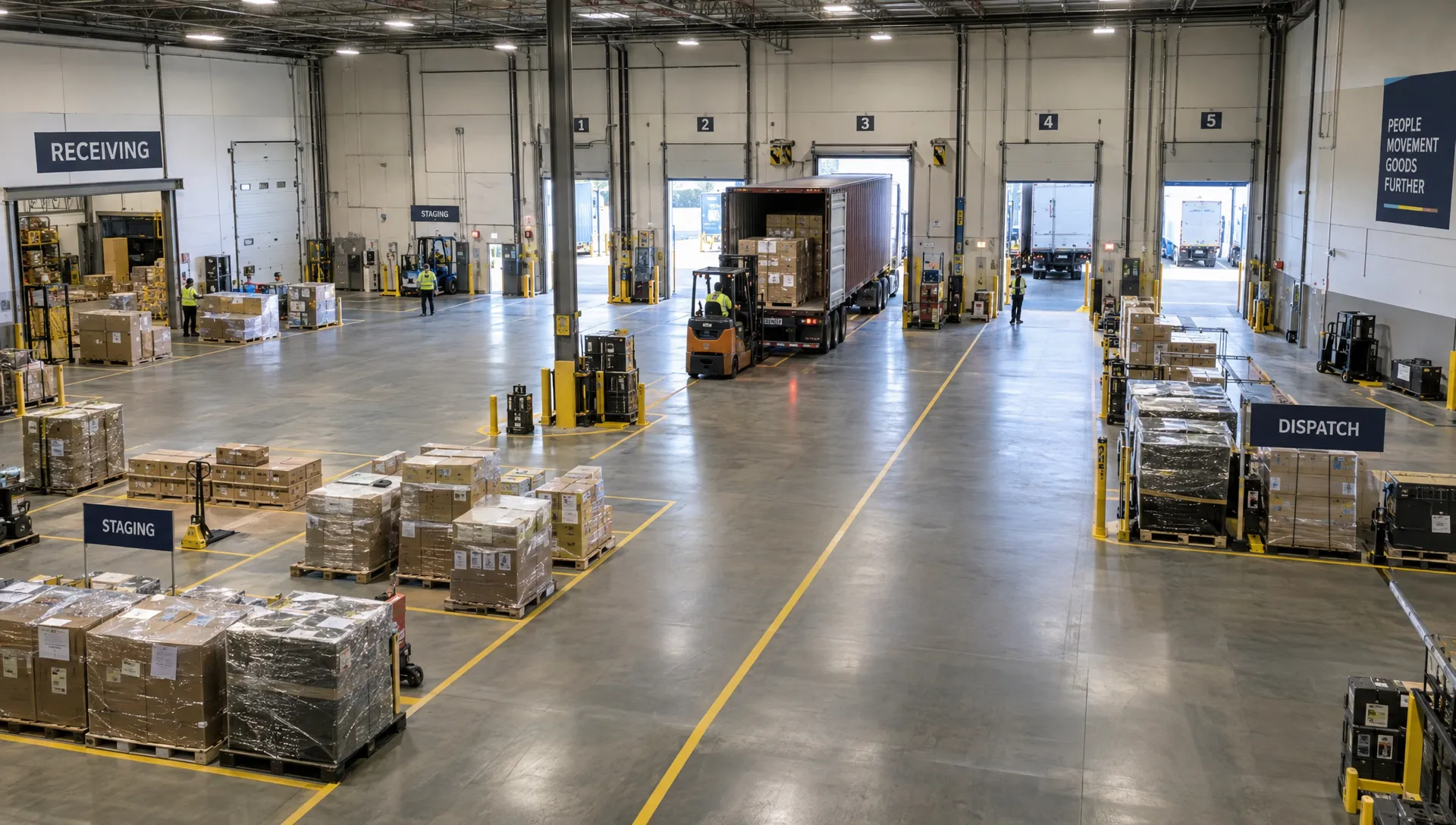
The ocean container shipping forwarder should reconcile the PTI release with terminal receiving windows, appointment availability and the driver’s remaining operating time. A container arriving before reefer receiving opens can create avoidable powered-storage needs and additional handling.
At interchange, capture the container and seal identities, controller reading, visible alarms, genset status and timestamp. At terminal delivery, establish how plug-in acceptance will be confirmed and who responds if the terminal rejects the unit.
For imports, work backward from cargo availability, applicable holds, free-time exposure and the receiver’s appointment. Do not dispatch a truck solely because the vessel has discharged. Coordinate these gates with the broader ocean shipment cutoff and document checklist, while keeping temperature-control responsibilities explicit.
Use cold storage or transloading only when it removes a defined risk
A failed PTI does not automatically justify unloading cargo into the nearest warehouse. Confirm that the facility can accept the commodity, maintain the required conditions and perform the proposed handling under the cargo owner’s approved procedure.
For a loaded-container equipment failure, determine whether authorized reefer service, replacement equipment or a controlled transfer presents the lowest risk. Any transfer requires a plan for product exposure, lot traceability, handling equipment, monitoring continuity and quality disposition.
An ocean container shipping forwarder should approve cross-docking only when the receiving space and onward equipment preserve the temperature-control plan. A conventional ambient transload designed to reduce inland truck counts may be unsuitable for temperature-sensitive cargo.
Pre-cooling also requires an operating decision. Opening a pre-cooled container at an ambient dock can introduce warm, humid air and condensation. Use the carrier and commodity loading procedure, with refrigerated dock conditions where required, rather than a blanket instruction to pre-cool every empty reefer.
Buffer storage can be justified when it separates inventory availability from a delayed vessel or job-site appointment. Specify storage temperature, backup arrangements, release authority and the conditions for reloading. If the issue becomes a government or terminal hold, follow the separate decision path for reefer port holds and controlled warehousing before moving or opening the container.
Pro-Tip: Approve the recovery location before tendering the reefer. A warehouse address alone is not evidence of temperature capability, commodity acceptance or permission to transfer held cargo.
Build air recovery options for both U.S. exports and imports
Air recovery should address a specific production, commissioning or shelf-life exposure. Compare the required delivery time with ocean recovery, qualified packaging availability, shipment eligibility and the receiving site’s ability to accept a split delivery.
The ocean container shipping forwarder should isolate the smallest useful recovery quantity rather than defaulting to an entire-container modal conversion. The remaining cargo still needs an approved ocean, storage or return plan.
U.S.-origin air export recovery
For exports, coordinate factory or warehouse pickup, temperature-qualified packaging, security acceptance and screening arrangements through the applicable TSA-compliant process. Confirm EEI/AES filing requirements, export controls and destination import readiness before committing to uplift.
A consolidation, direct service or charter must fit the cargo’s handling limits, not just its delivery deadline. Confirm transfer exposure, airline acceptance and foreign final-mile capability. Screening methods must also be compatible with the shipment’s packaging and security requirements.
If dangerous goods are involved, confirm classification, packaging, documentation and airline restrictions under the applicable ICAO requirements and IATA Dangerous Goods Regulations. Ocean acceptance does not establish air eligibility.
U.S.-destination air import recovery
For imports, coordinate foreign-origin pickup or airport acceptance, international uplift, U.S. customs clearance arrangements, ramp transfer and temperature-controlled final delivery. Shipment availability should reflect handling and release milestones, not simply scheduled aircraft arrival.
An ocean container shipping forwarder coordinating this recovery should require continuous custody records across the change of mode. Preserve logger identification, shipment identity and any quality restrictions from the original movement.
NFO or AOG urgency does not remove customs, dangerous-goods or temperature-control obligations. Active containers and passive packaging require suitable handling arrangements, including replenishment or charging where applicable. Any product affected by a prior excursion remains subject to the cargo owner’s disposition process, even if the air recovery succeeds.
Keep project cargo and heavy-haul interfaces inside the release plan
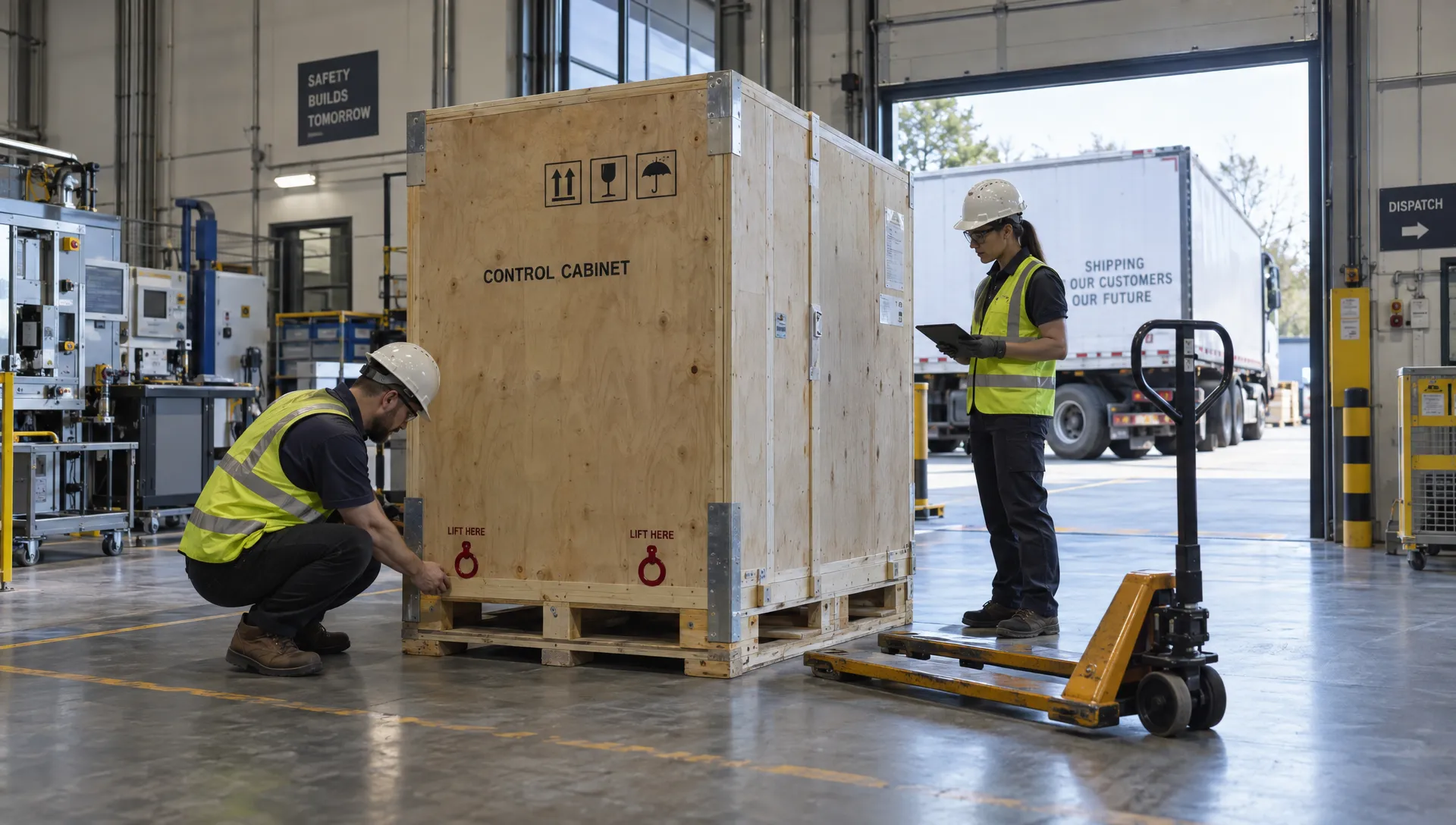
Industrial projects often combine refrigerated operational materials with machinery moving by flat rack, breakbulk or specialized truck. Their transport requirements differ, but their delivery dependencies may be linked. A commissioning chemical arriving on time has limited value if the process skid or receiving infrastructure is unavailable.
For these programs, an ocean container shipping forwarder should connect reefer release to the project’s material-readiness schedule without treating every cargo item as interchangeable. Temperature-sensitive supplies need their own acceptance and storage plan, while oversized machinery needs verified dimensions, lifting provisions, securement and route feasibility.
Heavy-haul coordination should address axle loads, permits, escorts where required, route restrictions and offloading capability. A reefer PTI does not validate any of those conditions. Likewise, a project delivery slot does not prove that the site has compatible electrical power or qualified refrigerated storage.
Where temporary staging is necessary, identify who supplies power, monitors alarms and authorizes access outside normal working hours. Avoid delivering temperature-sensitive materials into an unfinished laydown area merely to meet a transport milestone.
Use the IMO/ILO/UNECE CTU Code as a reference for relevant packing and securing practices. Cargo-specific engineering and equipment instructions still govern the actual loading and handling plan.
Require your ocean container shipping forwarder to close the release packet
Before dispatch, bring the evidence into one shipment-level record. The depot can establish equipment test status, the cargo owner can approve product requirements and the transport providers can confirm their assigned handoffs. The forwarder should coordinate those inputs without substituting its judgment for an authorized technical or quality decision.
The packet should contain the assigned equipment identity, PTI result, approved settings, condition evidence, loading instructions, power plan, monitoring responsibilities and named escalation contacts. Include relevant terminal cutoffs and the receiver’s acceptance window.
Classify exceptions by their operational effect. An unresolved machinery defect requires authorized technical resolution. Missing evidence requires verification. A cargo deviation requires quality disposition. These are different release paths, not interchangeable reasons to add “shipper approval” to a dispatch email.
Finally, establish who may stop the move and how revised instructions reach the depot, driver, terminal and receiver. If equipment changes, settings change or a critical handoff fails, reopen the affected approval rather than carrying forward an obsolete release.
Frequently Asked Questions
Does a passed reefer PTI prove the cargo will stay within specification? No. It documents equipment performance under the applicable inspection procedure. The ocean container shipping forwarder must also coordinate cargo settings, loading conditions, power continuity and monitoring. Product acceptance remains with the authorized cargo or quality team.
How recent must the PTI be? Apply the carrier’s requirements and the cargo owner’s approved procedure. There is no single validity period for every shipment. Check for intervening repairs, faults, substitutions or damage that could invalidate the original acceptance basis.
Can the reefer be used to cool warm cargo after loading? Do not assume so. Load at the required transport temperature unless an approved commodity procedure permits another approach. Cooling capability depends on the equipment, cargo heat load, packaging and airflow.
Should a failed PTI trigger air freight immediately? Not automatically. Compare replacement equipment, repair, qualified storage and selective air recovery against the delivery requirement. Confirm air eligibility and quality release before changing modes.
Need to align reefer acceptance with the rest of your transport plan? Share your cargo specifications, lane, delivery window and PTI requirements with Shipit Logistics. Discuss end-to-end coordination or a defined standalone scope, including ocean freight, drayage, conditional warehousing, air recovery or project delivery.