How to Vet a Transport Warehouse for Export Loading

A transport warehouse can have available dock doors and still be the wrong facility for export loading. The failure usually appears at a handoff: an unsuitable forklift, an unconfirmed empty-container release, a screening responsibility nobody accepted or a load that reaches the terminal after receiving closes. For logistics directors and procurement teams, qualification should establish whether the operator can execute a specific cargo movement, document its work and stop the shipment when a release condition is missing.
The strongest selection process combines a cargo-specific operating brief, evidence review and a witnessed loading trial. A facility tour alone is not enough.
Start with a shipment-specific loading brief
Give bidders the same execution requirements before requesting rates. Include package dimensions and weights, lifting points, center-of-gravity information, packaging restrictions, cargo value and dangerous-goods status. Specify the origin, destination, booking milestones and party responsible for each release.
Identify the actual warehouse function: consolidation, inspection, repacking, container loading, short-term buffer storage or project staging. A direct airport transfer does not automatically need warehousing, and additional handling should have an operational justification. The distinction between general warehousing and transload space matters when cargo needs rapid transfer rather than inventory storage.
Set measurable acceptance conditions. These might include an agreed loading window, documented handling restrictions, shipment-level photographs and a named escalation contact. Define when the clock starts and what constitutes completion.
Also identify the recovery mode. A delayed ocean component may justify air freight to avoid a production shutdown, but the warehouse must know which packages can be separated without compromising identification, packaging or compliance.
Test the transport warehouse at five freight interfaces
Qualify the facility against the movements it will actually handle. Do not assume that competence with palletized truck freight establishes competence with export containers, airport transfers or heavy machinery.
Ocean freight: verify the loading plan before equipment arrives
For FCL, request a proposed stow plan showing weight distribution, package orientation, blocking, bracing and securing arrangements. Check the plan against actual container specifications and cargo restrictions, not a nominal container capacity alone.
For standard 20-foot, 40-foot and 45-foot dry containers, confirm that the booking, available equipment and receiving facilities support the selected size. Reefer loads require separate checks for product temperature requirements, airflow, power availability and monitoring responsibilities.
The IMO/ILO/UNECE CTU Code provides a practical reference for inspecting cargo transport units, distributing loads and securing cargo. Ask the operator to explain how those principles appear in its loading procedure rather than accepting a generic claim of compliance.
A transport warehouse handling LCL must also preserve shipment identity through consolidation and coordinate with the receiving container freight station. Review package labels, piece counts, destination segregation and discrepancy handling. Buyer's consolidation needs an agreed rule for late suppliers so one missing purchase order does not indefinitely delay the entire load.
Finally, establish who obtains and submits verified gross mass where required. Loading completion, shipping instructions and VGM submission are separate milestones, each with its own deadline and owner.
Air freight: test exports and imports with equal rigor
For US air exports, trace the movement from factory or warehouse pickup through airline acceptance and foreign delivery. Identify who confirms dimensions and chargeable weight, performs any required repacking, manages TSA-compliant screening through the appropriate authorized party and transmits EEI through AES when required. Verify whether the plan uses consolidation, scheduled uplift or charter capacity, and who controls destination clearance and final delivery.
Do not treat a warehouse security badge as proof of an approved aviation-security role. Use the TSA air cargo screening guidance to frame questions about applicable programs, screening responsibility and chain of custody.
For US air imports, apply the same discipline in reverse: foreign pickup and airport tender, international uplift, US customs clearance coordination, airline availability, airport ramp transfer and final-mile delivery. For NFO or AOG shipments, require escalation coverage and a workable collection plan outside normal hours. Temperature-sensitive cargo also needs monitoring responsibilities and an excursion-response procedure across each transfer.
A transport warehouse should explain exactly where it participates in either direction and where an airline, handler, broker or forwarder takes over. If storage adds no value, retain a direct airport handoff instead of introducing another unloading cycle.
For both directions, confirm applicable ICAO Technical Instructions, IATA Dangerous Goods Regulations and carrier restrictions before accepting hazardous material. Packaging competence does not by itself establish airline acceptance.
Port drayage: connect loading readiness to terminal execution
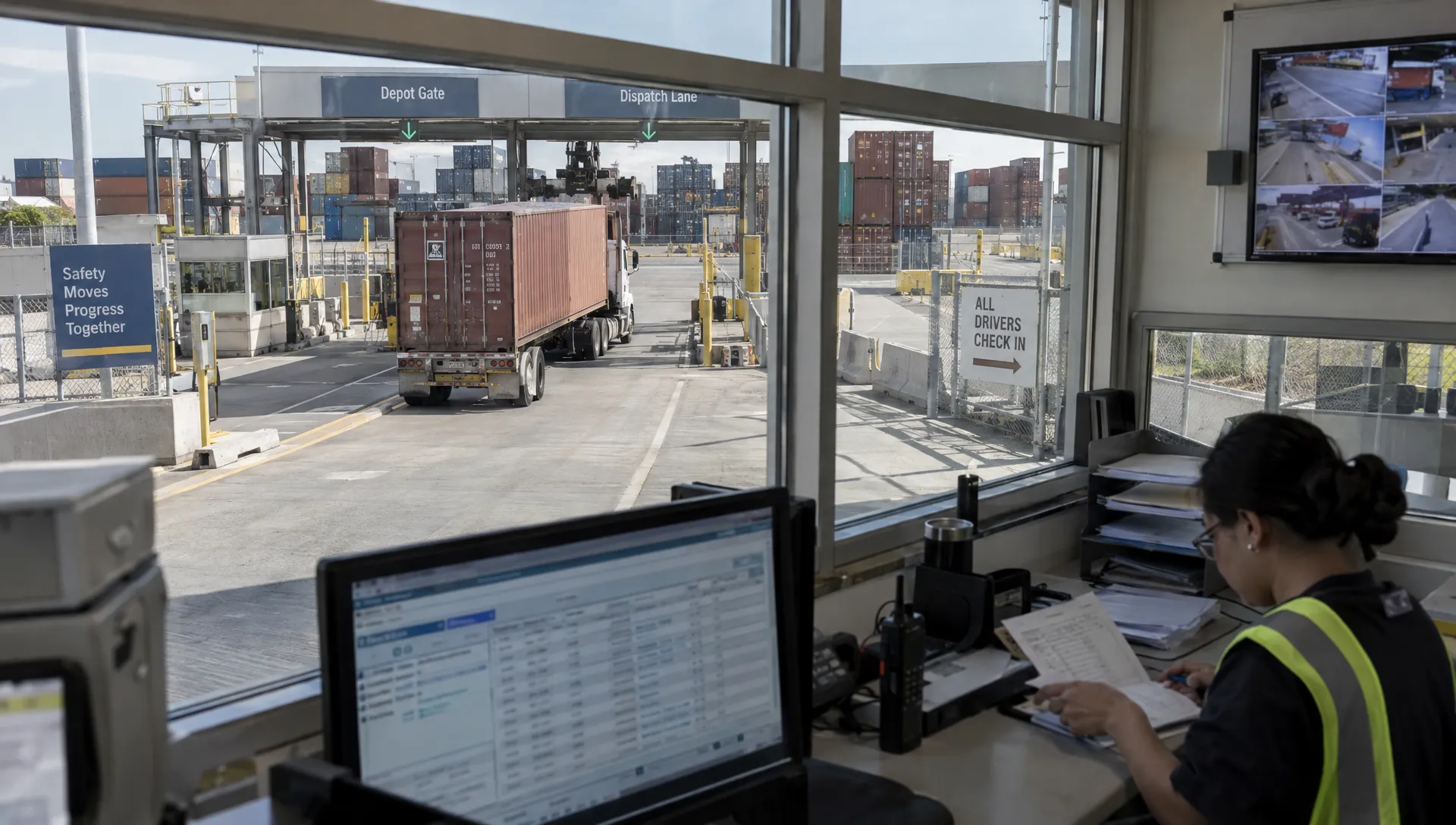
An export load is not operationally complete when the container doors close. Validate the sequence from empty-equipment release through pickup, warehouse arrival, loading, weighing where applicable and terminal delivery.
Request evidence that dispatch checks equipment availability, appointment requirements, earliest receiving dates and cargo cutoffs against the current booking. A nearby facility offers little protection if its loading hours do not align with the dray carrier or terminal gate.
Ask the transport warehouse and dray provider to walk through an exception: the empty is unavailable, the driver arrives late or the terminal changes receiving instructions. Establish who can authorize an alternate depot, reschedule labor or request revised booking instructions.
Separate terminal storage or demurrage exposure from equipment detention and other accessorials according to the applicable tariffs and contracts. The quote should identify who monitors free time and who receives alerts before charges begin, rather than assuming one universal clock.
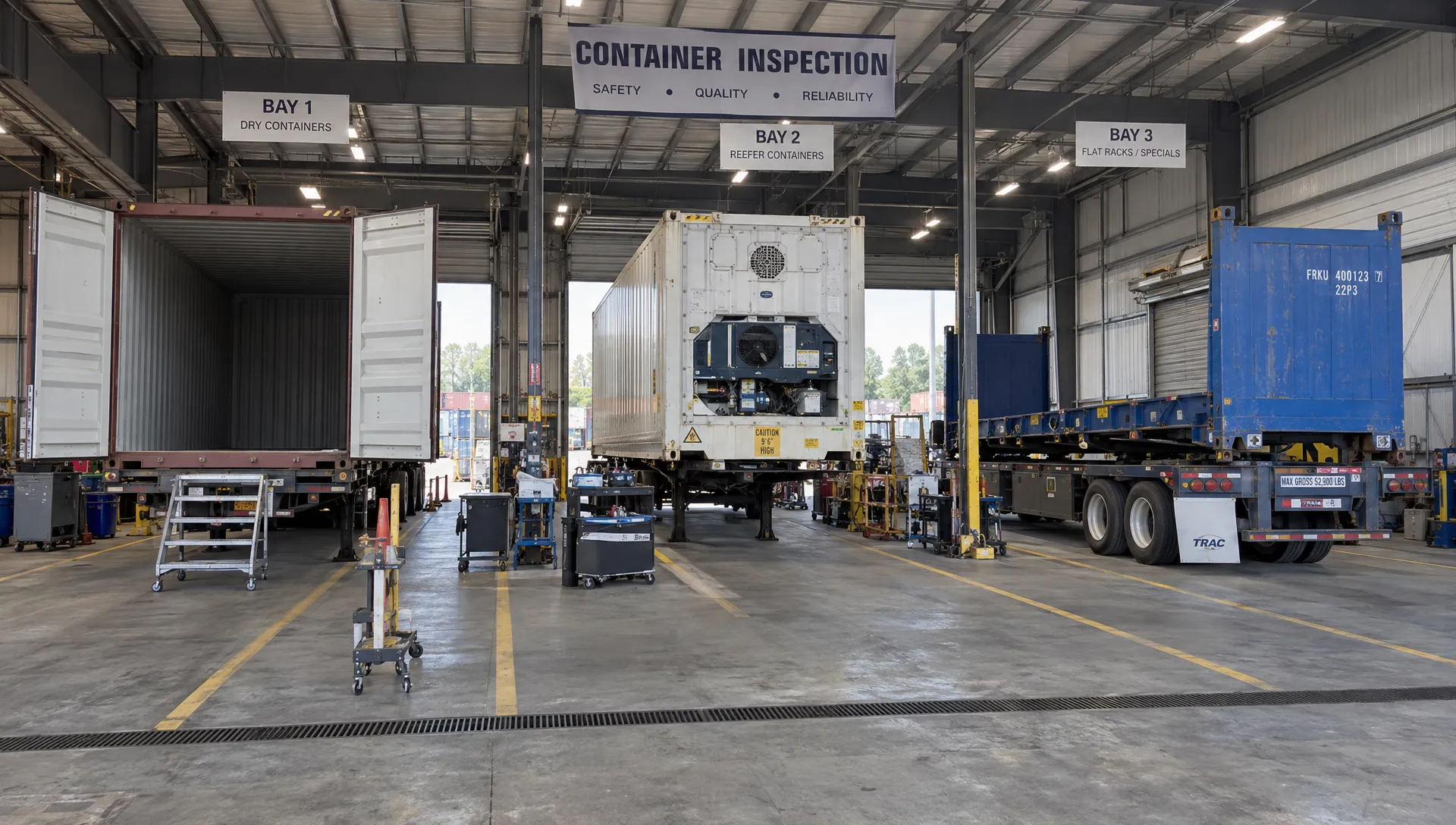
Inspect the yard as well as the dock. Confirm maneuvering space, chassis access, loaded-container staging rules, security and the procedure for documenting equipment condition. Reefer drayage additionally requires a clear plan for power continuity and temperature exceptions.
Cross-docking and warehousing: prove control of identity and capacity
For cross-dock loading, follow one shipment from inbound receipt to outbound release. The operator should reconcile purchase orders, package identifiers, quantities and visible condition without losing the link between the physical cargo and its export documents.
Ask how it separates customs-held, damaged, unverified and released freight. A floor location is not a release status. Personnel must be able to prevent an unreleased package from entering a consolidated export load.
Capacity evidence should cover receiving positions, staging space, equipment and labor during the required shift. Storage square footage alone does not demonstrate loading throughput. Request a peak-day staffing plan and the process for allocating space when multiple customers arrive late.
For a proposed three-to-two container consolidation, require a package-level feasibility calculation. Cube, payload, stacking limits, product compatibility and securing requirements must support the plan before savings are accepted. Extra lifts and packaging changes belong in the cost comparison.
A transport warehouse should also demonstrate how buffer inventory is released against production or site demand, including lot or serial tracking where necessary. For high-value electronics or battery materials, verify that access controls and storage conditions match the cargo requirements rather than a generic facility specification.
Project cargo and heavy haul: validate the entire lifting path
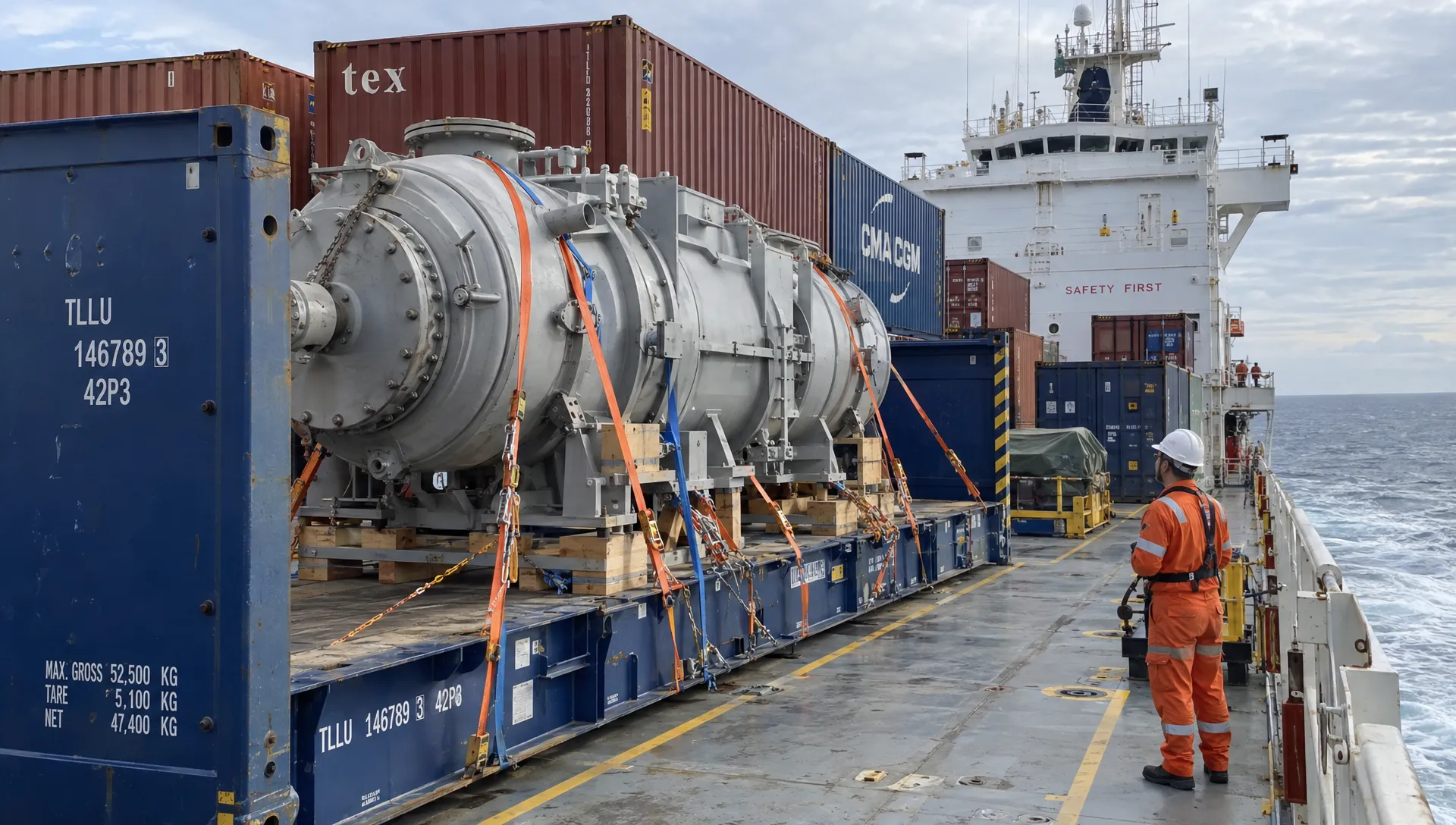
For transformers, production machinery, cooling skids or other high-value equipment, begin with approved cargo drawings and handling instructions. Verify gross weight, center of gravity, lifting points, support locations and any vibration or tilt limits provided by the manufacturer.
Inspect the full path from trailer to staging position to outbound equipment. Door openings, overhead clearance, slab capacity, dock suitability and turning space can invalidate an otherwise workable lifting plan.
Request equipment identification and load-capacity information for the actual configuration being used. Forklift capacity must reflect attachments and load center; crane planning must address the planned radius and setup. An operator's largest advertised machine is not proof that it can safely handle the shipment.
For flat racks, breakbulk or heavy-haul delivery, connect the warehouse plan to rigging, securing, trailer selection, route surveys, permits and receiving-site readiness. Confirm responsibility for weather protection and preservation during staging.
Treat a material change in weight, packaging or lifting method as a reapproval trigger. EPC schedules often change, but the handling team should not improvise around an undocumented change to a lifting point or support arrangement.
Witness a loading trial and inspect the release packet
Use a representative shipment, not the easiest pallet available. Agree on acceptance criteria before the trial, observe the operation and request the resulting records. For unusual cargo, a tabletop review should precede any physical handling.
The trial should demonstrate both normal execution and exception control. Introduce a realistic discrepancy, such as a mismatched package weight or damaged crate, without creating a physical hazard. Watch whether personnel stop, isolate the issue and obtain authorization.
Checkpoint | Evidence to request | Approval condition |
Receiving | Count, condition report and package identification | Discrepancies resolved or formally accepted |
Equipment selection | Capacity information and handling instructions | Equipment suits the actual load and configuration |
Loading | Stow plan and photographs before concealment | Placement and securing match the approved plan |
Documentation | Final package data, container number and seal record | Physical cargo agrees with shipment records |
Handover | Dispatch confirmation and receiving instructions | Next party has accepted the movement details |
The transport warehouse should produce this packet through its normal workflow, not reconstruct it several days later. Specify retention periods and access rights in the agreement.
For powered industrial trucks, review training and operating controls against applicable OSHA requirements. During the visit, observe pedestrian separation, dock-edge protection and equipment inspections rather than reviewing paperwork alone.
Assign export compliance responsibilities explicitly
A warehouse may supply package data or perform loading without becoming the party authorized to make export filings. Create a responsibility matrix covering the USPPI, authorized filing agent, forwarder, warehouse, carrier and relevant destination parties.
For EEI, establish who supplies classification and licensing information, who files, who validates the filing response and who corrects changes. The US Census Bureau's AES resources are the appropriate starting point for filing requirements and procedures. Do not assume every shipment requires a filing or that a booking confirmation proves compliance.
Require the transport warehouse to withhold loading or dispatch when a defined compliance hold applies. Its personnel need an actionable release status, not an expectation that they independently interpret every export-control question.
For hazardous materials, confirm which party classifies, packages, marks, labels, documents and offers the shipment for transport. Validate competence for the actual commodity and mode. Battery acceptance, for example, depends on the specific battery configuration, condition and applicable transport rules.
For controlled aerospace, defense or other sensitive cargo, examine access restrictions, authorized personnel and handling of technical information. Do not accept an unsupported claim of universal “ITAR certification” as a substitute for reviewing the relevant controls.
Separate these checks from import requirements. Bonded operations or customs-held imports require the appropriate authorization and procedures; ordinary warehouse capacity does not establish either.
Compare exception-adjusted cost, not just loading rates
Ask every bidder to price the same operating scenario. Include receiving, inspection, storage, loading, securing materials, weighing, documentation, overtime and dispatch coordination where applicable.
Then price foreseeable exceptions: waiting trucks, rejected equipment, damaged packaging, restows, missed appointments and cargo held beyond the planned departure. Specify whether charges apply per shipment, package, labor hour, container or day, along with minimums and authorization thresholds.
A transport warehouse with a low base rate may become more expensive if its receiving hours force additional drayage trips or its loading process requires avoidable rehandling. Compare the total movement cost, including transport accessorials and recovery options, without double-counting the same delay across multiple estimates.
Review the warehouse contract, receipt terms, liability limitations, claims procedures and subcontracting provisions. Ask counsel or your insurance adviser to assess how those terms interact with cargo value and your insurance program. Warehouse liability coverage is not automatically equivalent to cargo insurance protecting the full shipment value.
Finally, distinguish committed capacity from forecast capacity. If the rate assumes standard daytime labor but the vessel plan requires weekend loading, obtain written confirmation of staffing, approval requirements and charges before awarding the work.
Make approval conditional on evidence and change control
Use hard approval gates before scoring commercial preferences. Unverified lifting capacity, unresolved security responsibilities or an inability to prevent unauthorized release should block qualification until corrected. A favorable rate should not offset a critical control failure.
For acceptable candidates, compare demonstrated performance, documentation quality, exception response and total cost. Record the evidence date and define the approved scope: commodity, handling method, equipment, shift coverage and shipment profile.
Approval of a transport warehouse should not automatically extend to an affiliated building or subcontractor. Revalidate when the facility, operating team, cargo characteristics or handling method changes. The same principle applies when assessing a provider's network coverage and execution responsibilities.
Start with a controlled shipment and review actual milestones against the plan. Track receiving discrepancies, loading completion, missed handoffs, damage and accessorial causes. Distinguish warehouse failures from booking changes or shipper-supplied data errors so corrective actions address the responsible process.
Keep modular procurement available. A qualified operator may perform loading only, drayage only or a complete export movement, provided every interface has a named owner and documented acceptance conditions.
Frequently asked questions
What evidence should be reviewed before the first export load? Obtain the cargo-specific handling plan, equipment capacity information, receiving and release procedures, responsibility matrix, insurance information and commercial terms. For ocean exports, add container-loading and securing instructions. For air cargo, confirm screening and airline-acceptance responsibilities. Resolve critical gaps before dispatching cargo to the facility.
Can one facility support ocean, air and heavy-haul shipments? Yes, but each capability requires separate validation. Container loading does not establish aviation-security competence, and pallet handling does not prove machinery-lifting capability. Approve the facility only for the cargo profiles, equipment configurations and operating processes it has demonstrated.
When should a transport warehouse add storage rather than load directly? Storage is justified when it resolves a defined constraint, such as supplier consolidation, port receiving windows, inspection or phased job-site demand. Compare the benefit with extra lifts, dwell cost and damage exposure. If cargo and onward transport are ready, direct transfer may be the better plan.
Need export loading connected to the rest of the movement? SHIPIT Logistics supports end-to-end freight execution and standalone services across ocean and air freight, port drayage, cross-dock transloading, warehousing and project cargo. Share your cargo specifications, booking milestones and required service scope to discuss an execution plan.