Receiving Warehouse SOPs That Protect Inventory Before Putaway

Receiving is where inventory control either becomes factual or starts relying on assumptions. In ocean import, air recovery, export consolidation and domestic replenishment programs, the receiving warehouse is often the first location where transportation records, commercial records and physical goods meet. If the SOP is loose at that point, putaway simply hides the problem in a bin.
For logistics teams that already understand dock operations, the harder question is not how to unload freight. It is how to keep inventory from becoming available, moved, invoiced, allocated or reworked before the warehouse has established identity, quantity, condition, custody and disposition. That is the control layer that protects inventory before putaway.
The receiving warehouse should decide status before location
A good receiving SOP treats location as the last step of a control sequence, not the first. The warehouse can be fast, but it should not put freight into reserve, forward pick, production staging or outbound consolidation until each handling unit has a status the operation can trust.
That status should answer five questions: what is it, how much is here, what condition is it in, who has custody and what is allowed to happen next. In a high-velocity import flow, those answers may be captured at pallet or license plate level rather than eaches. In a regulated or high-value flow, the answer may require lot, serial and expiration capture before release. The sophistication is not in counting everything the same way. It is in matching the control depth to the inventory risk.
Control domain | Receiving SOP decision | If it waits until after putaway |
Identity | SKU, part, lot, serial, PO, ASN or shipment reference confirmed | Misidentified stock becomes available or mixed with correct stock |
Quantity | Expected versus received quantity documented at the required unit of measure | Overages and shortages become cycle count problems instead of receipt exceptions |
Condition | Visible damage, wetness, crush, contamination or tamper evidence recorded | Claims support weakens and damaged goods can enter saleable inventory |
Custody | Carrier, drayage provider, warehouse and customer handoff timestamps captured | Responsibility is unclear when exceptions surface later |
Disposition | Released, hold, inspect, rework, transload, cross-dock or return decision applied | Freight moves physically without a valid inventory status |
Compliance | Customs, agency, quality or customer hold status enforced | Restricted product can be consumed, shipped or combined before release |
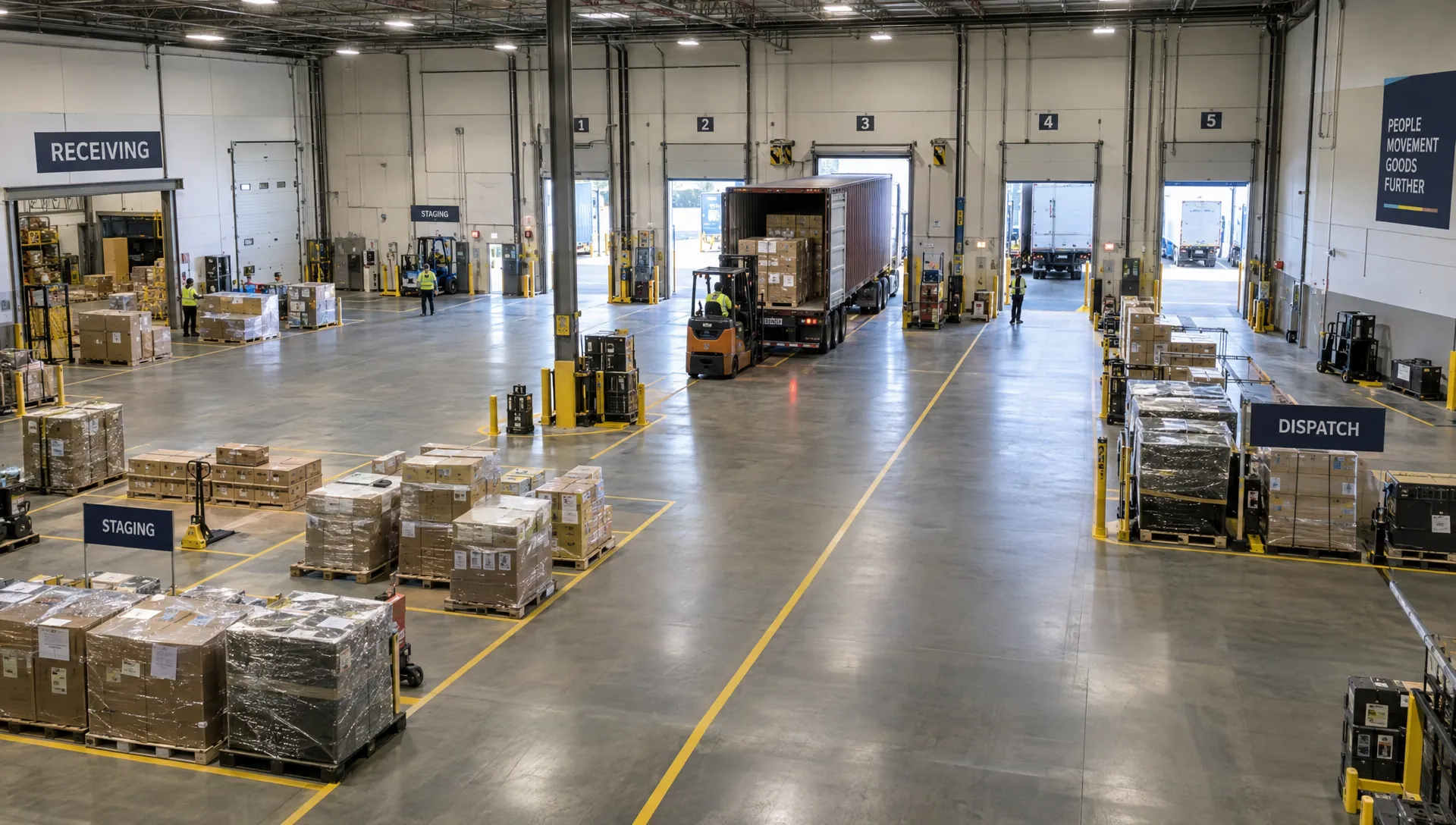
The principle is simple: no uncontrolled inventory should move to a storage location just because the dock needs the door back. If congestion pressure forces temporary movement, the move should be to a controlled staging location with the same status restrictions as the receiving lane.
Pre-receipt SOPs: prevent blind receiving at the dock
Many receiving failures are built into the operation before the truck checks in. The warehouse receives a container or air freight recovery without a clean inbound profile, labor is planned against pallet counts that do not exist, or a customer expects cross-dock velocity while the warehouse is still waiting for a packing list.
A pre-receipt SOP should create a usable receiving packet before appointment confirmation. That packet does not need to be bureaucratic, but it does need to define what the warehouse will validate and what exceptions block release.
For import programs, the packet usually needs transportation identifiers such as container number, seal number, master and house bill details, carrier booking, delivery order, air waybill or PRO number. It also needs commercial and inventory references such as PO, SKU list, carton count, pallet expectation, lot requirements and any customer-specific disposition rules. Customs or agency status should be visible as a release, hold or bonded movement condition rather than treated as a note in an email.
The pre-receipt SOP should also flag the intended next move. A container being devanned for direct retail allocation is not the same receipt as a container being stripped into bulk reserve. Air freight arriving for same-day recovery needs a receiving profile that prioritizes verification and outbound staging, not conventional binning. If inbound volume is compressing time and space, flow planning matters as much as storage math, which is why warehouse teams often benefit from designing around high-velocity import receiving constraints rather than raw cube utilization.
A practical pre-receipt checklist should cover:
Expected transportation identifiers and appointment window
Commercial and inventory identifiers required for receiving
Required release, hold or bonded movement status
Handling profile such as palletized, floor-loaded, fragile, oversized or temperature-sensitive
Intended next move such as putaway, transload, cross-dock, inspection, rework or export consolidation
Exception owner for discrepancies that block release
The exception owner is often the missing field. If a carton count variance requires customer approval, name the approver or role before the truck arrives. If a seal discrepancy requires escalation to the broker, consignee, carrier or security team, define the path. Receiving SOPs protect inventory when they remove ambiguity during the busiest 20 minutes of the dock cycle.
Yard and door controls for drayage, trucking and live unloads
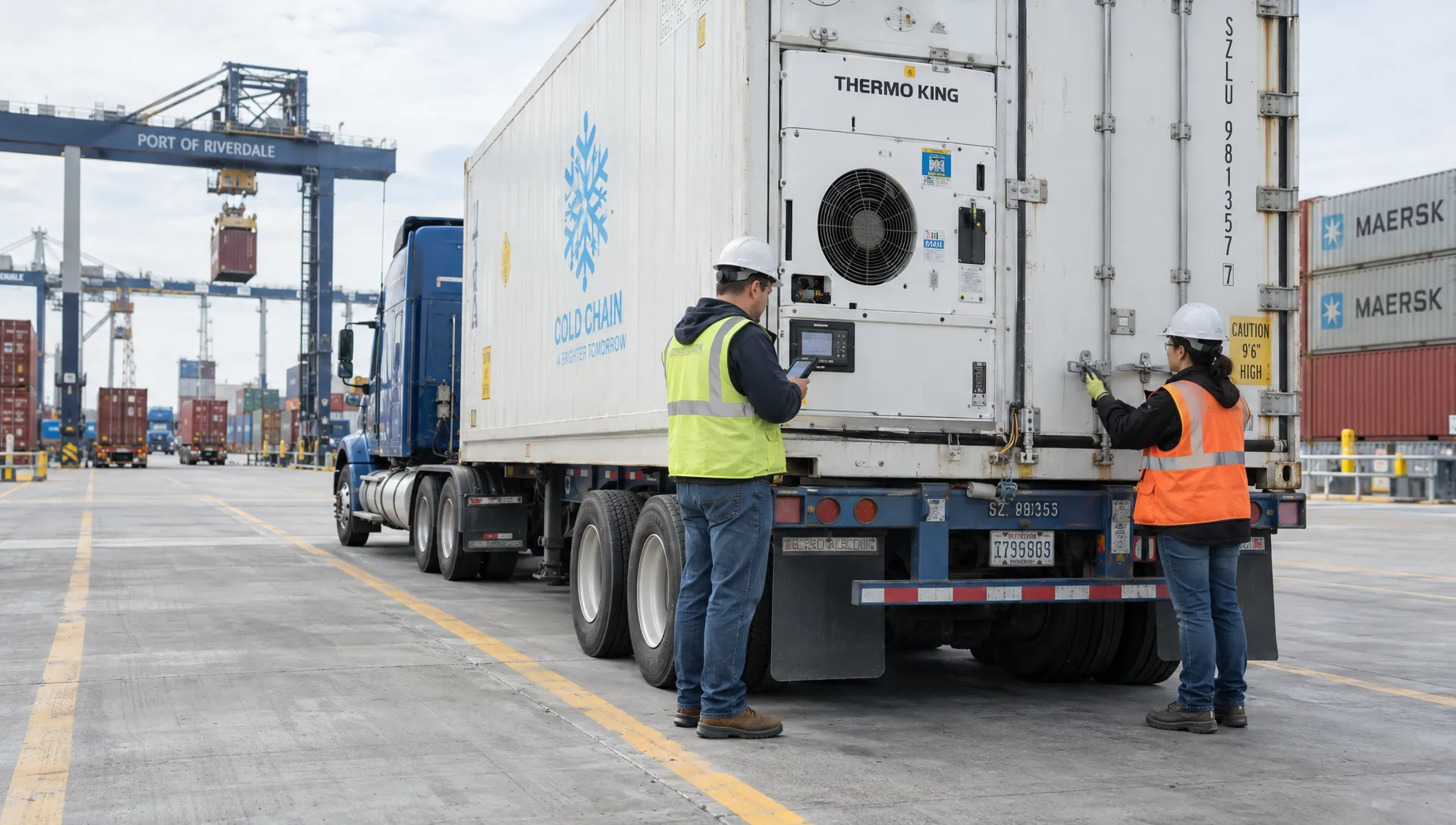
The first warehouse control point is often the gate, not the dock. A container or trailer arrival record should capture the carrier, driver, equipment number, seal condition, arrival time, appointment reference and delivery paperwork. This is not just a transportation formality. It becomes part of the inventory evidence trail when there is damage, shortage, wet freight, tampering or a disputed dwell event.
For ocean containers, the SOP should require seal validation before cutting, including seal number match, seal type, condition and any sign of tampering. If the seal does not match the expected document set, the container should not be treated as a normal receipt until the escalation path is complete. For drop containers, the warehouse should also control yard location, availability to unload, free time exposure and whether the drayage move is being handled as live unload, drop and pull, or staged recovery.
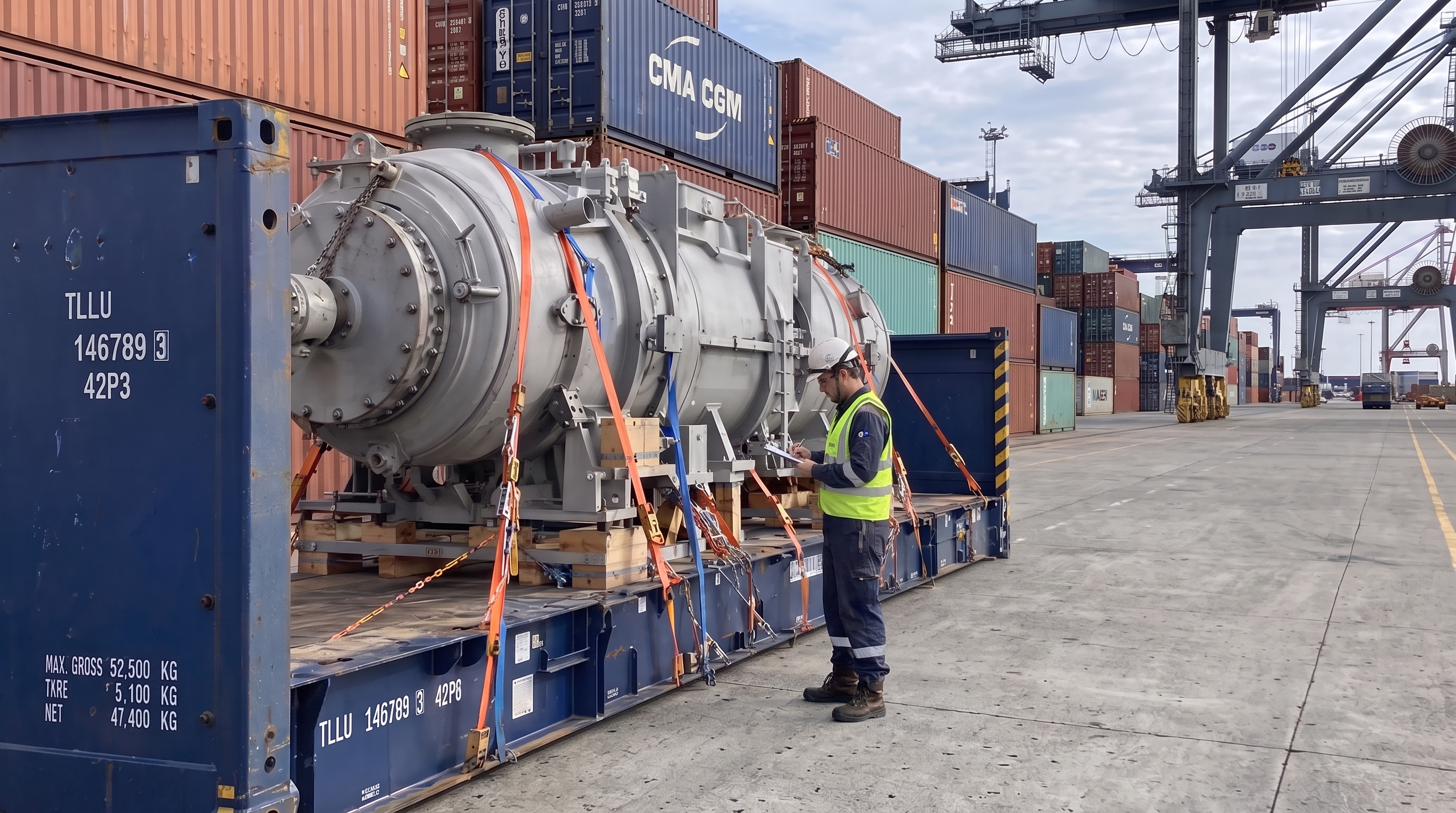
Equipment condition belongs in the receiving record. Hole light checks, floor condition, wetness, odor, pest evidence, shifted cargo and blocked doors should be documented before freight is disturbed. The same discipline applies to dry vans, flatbeds, step decks and specialized equipment carrying project or over-dimensional freight. When cargo is exposed, braced, tarped or blocked, the condition of securement at arrival can matter as much as the condition of the cargo itself.
If freight moves under U.S. in-bond rules, the bonded-party SOP should align with 19 CFR Part 18, including control of the in-bond movement and arrival reporting responsibilities where applicable. A receiving warehouse should not rely on general receiving status when the legal movement status requires a different control path.
Match the receiving method to the freight profile
Advanced receiving SOPs avoid one common mistake: they do not make every freight profile follow the same verification path. The operation should define receiving standards by risk, velocity and downstream consequence.
Freight profile | Inventory risk before putaway | SOP emphasis |
Ocean container transload | Shortage hidden inside floor-loaded freight, carton damage, mixed PO content, poor outbound load plan | Devanning map, carton or pallet count controls, photo record, outbound staging by lane |
Air freight recovery | Time compression, split shipments, airline breakdown variance, high accessorial exposure | Rapid identity check, priority exception routing, same-day outbound disposition |
LTL mixed pallet | Concealed damage, overage, wrong freight, PRO-level ambiguity | Pallet condition photos, carton count, label capture, OS&D isolation |
FCL warehouse replenishment | Large volume can overwhelm dock status controls | License plate receiving, staged verification, system hold until release |
Project or heavy-lift cargo | Damage may be structural, not obvious at carton level | Rigging plan, dimensional check, securement inspection, specialty equipment control |
Regulated or customer-held freight | Released and unreleased stock can be physically similar | Status lock, segregation, restricted movement permissions, release evidence packet |
The goal is not to slow every receipt to the highest-control scenario. The goal is to make sure the SOP knows when speed is safe and when speed creates a downstream liability.
Count and condition controls without turning receiving into a bottleneck
The strongest receiving programs use progressive verification. They do not default to full item-level counting for every shipment, but they also do not accept pallet counts as proof when the inbound profile demands more.
A tiered method works well for complex freight networks. Low-risk replenishment with a strong ASN and consistent supplier performance may be received at pallet or license plate level, then validated through cycle count sampling. New suppliers, repeated variance lanes, customer chargeback exposure or high-value product may require carton-level or item-level verification at receipt. Lot-controlled, serialized or regulated inventory requires the capture fields needed for downstream traceability before release.
Condition inspection should be similarly risk-based. A good receiving SOP defines what must be inspected at trailer level, pallet level, carton level and item level. Wet pallets, crushed corners, torn shrink wrap, broken bands, shifted loads, infestation signs, leaking product and mismatched labels should all have clear exception codes. The receiving team should not have to invent language while a driver waits at the door.
Unit of measure discipline is another frequent failure point. A warehouse may receive 48 cartons, the PO may expect 4 cases, the customer may allocate 576 eaches and the outbound order may ship 12 inner packs. If the SOP does not specify the receiving unit of measure and conversion authority, the WMS can show a correct total quantity while making the inventory unusable for allocation or fulfillment.
Exception quarantine must be an operating lane, not a corner
Quarantine is often treated as a physical place. In stronger operations, it is a combination of physical segregation, system status and decision ownership. A pallet in a yellow-taped area is not controlled if the WMS shows it as available. A WMS hold is not enough if the pallet is physically mixed into outbound staging.
Receiving SOPs should define exception lanes for inspection pending, customs or agency hold, quality hold, OS&D, rework, relabeling, return to vendor, customer review and transload exception. Each lane needs movement permissions, signage, scan discipline and escalation timing. The warehouse should know who can release the hold, who can move the freight and what evidence is required to change status.
This is especially important for exception-heavy flows such as import transloads, export consolidations, air recovery, product launches and project cargo. In those operations, exception freight does not merely sit still. It competes for dock space, labor, outbound appointments and management attention. Treating exceptions as a designed flow reduces rehandling and supports the broader goal of reducing avoidable touches at ports and warehouses.
Damage, shortage and unknown freight SOPs need claim-quality evidence
Receiving teams should assume that damage and shortage records may need to support a commercial decision, carrier claim, customer chargeback, insurance file or supplier dispute. The evidence standard has to be built into the SOP, not reconstructed days later.
For visible damage, the receipt record should include photos before freight is moved when safe, wide-angle equipment photos, close-ups of cargo damage, pallet or carton labels, seal condition, trailer or container interior condition and notation on delivery paperwork where appropriate. If freight must be moved for safety, that action should be documented with the reason and time.
For shortages, the SOP should distinguish between transportation shortage, supplier shortage, warehouse count variance and data mismatch. Those are different problems. A missing pallet at delivery is not the same as a carton shortage inside a shipper-loaded container. An ASN mismatch is not the same as a physical overage. If every problem becomes a generic shortage, root cause analysis becomes noise.
For U.S. motor carrier claims, 49 CFR Part 370 provides the federal claims framework for loss and damage claims handled by regulated motor carriers. Contracts, tariffs, bills of lading and international regimes can impose different obligations, so the warehouse SOP should align with the shipper's claims process rather than act as legal guidance. Operationally, the rule is still clear: preserve evidence early because the receiving moment is when evidence is best.
Exception type | Immediate warehouse action | Commercial or transportation follow-up |
Visible damage | Photograph, segregate, note paperwork, block availability | Notify customer, carrier, broker or insurer based on account rules |
Concealed damage suspected | Hold affected units and preserve packaging | Open inspection case before repack or putaway |
Short count | Recount at defined unit of measure and isolate variance | Compare ASN, packing list, BOL, waybill and supplier records |
Overage | Receive to hold, not available stock | Obtain disposition before use, return, sale or consolidation |
Unknown freight | Create controlled unidentified receipt record | Resolve ownership before allocation or outbound movement |
Seal discrepancy | Stop normal receiving path and escalate | Validate with carrier, consignee, security and customs process where applicable |
Status-driven systems should block premature putaway
WMS, TMS and ERP integrations are only protective if they enforce operational truth. A system that accepts an ASN and creates available inventory before physical verification can be faster, but it can also create phantom sellable stock. A system that allows a receiver to bypass condition or lot capture creates the appearance of compliance without the control.
The receiving SOP should define which fields are mandatory by customer, SKU class and freight profile. At minimum, the system record should tie each handling unit to a shipment key, item identity, received quantity, unit of measure, condition status, hold code if applicable, physical location, custody timestamp and evidence packet reference. For transload freight, it should also capture outbound trailer, destination lane, load sequence or cross-dock staging location.
Status transitions should be restricted. A receiver may be able to move freight from dock to inspection pending. A quality lead may release inspection pending to available. A customer service or compliance role may release customer hold. An operations supervisor may authorize rework or relabeling. These permissions matter because unauthorized status changes are often harder to detect than unauthorized physical moves.
Data handoffs are another weak point. Re-keying bill numbers, PO references and carton counts across systems introduces variance before the freight is even staged. When designing receiving flows across forwarder, broker, warehouse and trucker systems, the objective should be fewer handoffs, cleaner ownership and less duplicate data entry, which aligns with the broader logistics design principles in building U.S. logistics flows with fewer custody and data handoffs.
Transload receiving is still inventory control, even without storage
In a pure import drayage and transload move, there may be no traditional putaway. That does not make receiving controls optional. It makes them more time-sensitive because the receiving event and outbound shipping event may happen within the same operating window.
A container-to-trailer transload SOP should capture container arrival, seal verification, devanning sequence, item or carton identity, exception segregation, outbound staging, trailer loading, load securement, outbound seal and BOL creation. If the transload supports multiple domestic destinations, the SOP should define how freight is sorted, staged and scanned by lane before it touches an outbound trailer.
The receiving warehouse is also the point where international freight becomes domestic freight. Ocean FCL may become truckload, LTL, parcel induction or customer pickup. Air freight may become expedited truckload or local delivery. Export cargo may move in the opposite direction, from domestic suppliers into consolidation, screening, documentation review and ocean or air uplift. Each conversion changes the evidence trail, the custody chain and the inventory status.
For BCOs, importers, exporters and forwarders, the operational advantage is not simply having warehouse space near a port or airport. The advantage is having receiving, transloading, drayage, trucking and forwarding workflows that share the same exception language. If the warehouse exception code does not connect to the drayage provider's paperwork, the broker's hold status, the forwarder's shipment file or the customer's inventory system, the problem will reappear downstream.
Audit the SOP against failure modes, not just productivity
Receiving productivity matters, but pallets per hour can reward the wrong behavior if it is measured alone. A team can unload quickly while creating inventory uncertainty that consumes days in research, claims work, detention disputes or customer service escalations.
The audit program should measure whether the SOP protects inventory before putaway. That means reviewing exception records, status-change logs, photo completeness, variance aging, hold dwell and reversals from available stock back to hold. Putaway reversal is particularly useful because it shows where freight was released before the warehouse had enough evidence.
Audit metric | What it reveals | Desired behavior |
Receive-to-status time | How quickly freight gets a controlled disposition | Fast status assignment without skipping verification |
Variance close time | Whether discrepancies are owned or ignored | Same-day escalation for material variances |
Evidence capture rate | Whether damage and shortage files are usable | Complete photos and document notation at receipt |
Putaway reversal rate | Whether available inventory was released too early | Fewer reversals through better front-end controls |
Hold dwell by reason | Which holds are process delays versus true restrictions | Clear ownership for release decisions |
Unplanned touches | Whether exceptions are being moved repeatedly | Better staging design and lane discipline |
Carrier notation compliance | Whether transportation exceptions are documented on time | Stronger claims support and custody clarity |
Floor audits should compare the physical lane, system status and paperwork record. If a pallet is physically in inspection pending, the system should not show available. If a shipment is in customer hold, the freight should not sit in an outbound lane without release. If a damaged carton has photos, the photo record should be tied to the receipt or license plate rather than stored in someone's phone.
Keep the SOP live through exception reviews
A receiving SOP should be version-controlled, but not frozen. The best updates come from recurring exception patterns: the same supplier with carton count issues, the same port lane with wet containers, the same air carrier recovery split, the same customer sending late ASNs or the same SKU requiring re-labeling before putaway.
A short daily or weekly exception review can keep the SOP practical. Operations, customer service, transportation, claims and inventory control should agree on which exceptions are noise and which require a process change. The update may be a new mandatory photo angle, a revised appointment prerequisite, a tighter UOM rule, a new WMS hold code or a different transload staging layout.
Protecting inventory before putaway is not about adding paperwork to receiving. It is about making the warehouse the first reliable control point in the supply chain. When the receiving SOP assigns status, preserves evidence and routes exceptions correctly, putaway becomes a controlled movement rather than a way to make dock problems disappear.
FAQ
How detailed should a receiving warehouse SOP be before putaway? It should be detailed enough to define required identity, quantity, condition, custody and disposition controls by freight profile. Ocean transload, air recovery, LTL, project cargo and regulated freight should not all use the same verification depth.
Should freight ever be put away before all discrepancies are resolved? Only if the WMS status, physical location and movement permissions keep the inventory blocked from allocation or use. If the freight is unresolved, the move should be to a controlled hold or inspection location, not available stock.
What is the most common receiving control gap in transload operations? The most common gap is treating the transload as a transportation move instead of an inventory event. Container seal, devanning sequence, carton count, condition evidence, lane staging and outbound trailer seal should all be connected.
How can receiving SOPs support cargo claims? They support claims by capturing photos, seal condition, equipment condition, count variances, delivery notations, timestamps and custody handoffs at the moment evidence is strongest.
What metrics best show whether receiving controls are working? Useful metrics include receive-to-status time, variance close time, evidence capture rate, hold dwell, unplanned touches and putaway reversal rate. These show whether inventory was controlled before it became available.
For teams that need receiving, warehousing and transload controls connected to freight execution, SHIPIT Logistics can support international freight forwarding, warehousing, transloading, ocean and air freight, container drayage, LTL and truckload coordination. Whether the requirement is an end-to-end import or export program or a focused drayage and transload move, SHIPIT can help coordinate the handoff points that protect inventory before putaway.