Drayage Freight Pre-Pull Decisions Before Holiday Closures

Holiday drayage freight planning should start with a release decision, not a truck reservation. Pulling a loaded container into an off-dock yard before a closure can protect delivery schedules and avoid terminal charges. It can also replace those charges with detention, chassis rental, storage and a second truck move while leaving the cargo no closer to a receiving appointment. The right decision depends on the full operating window, from terminal availability through empty return, rather than the holiday date alone.
Map the closures that actually constrain the move
A port holiday is not one synchronized shutdown. Marine terminals, rail ramps, ocean carriers, empty depots, examination facilities and receiving warehouses can operate different schedules. A terminal may offer a gate while its appointment inventory, trouble desk or equipment interchange options remain restricted.
For Thanksgiving on November 26, 2026, do not assume that Friday, November 27 has normal operating capacity. Verify each facility’s published schedule and staffed receiving hours. Federal holiday calendars do not establish private terminal or warehouse hours.
Build a shipment-level closure map:
Operating point | Verify before committing | Consequence if unavailable |
Terminal or rail ramp | Loaded gate hours, appointments and transaction restrictions | Container cannot leave as planned |
Carrier and chassis provider | Dispatch coverage, compatible equipment and interchange eligibility | Booked truck may not complete pickup |
Holding yard | Accepted cargo, operating hours, security and equipment support | Pre-pull has no executable destination |
Receiving facility | Confirmed unload slot, labor and unloading equipment | Delivery becomes additional storage |
Empty-return location | Current carrier instructions, appointments and acceptance | Equipment charges may continue |
The drayage freight decision deadline is the last point when these links can still be secured together. It may fall well before the terminal’s final gate closes.
Apply five hard gates to drayage freight pre-pulls
Use a go/no-go review before authorizing a loaded move. A favorable cost estimate cannot compensate for an unresolved release or an unsuitable yard.
Gate | Evidence required | Stop condition |
Cargo availability | Terminal availability plus applicable customs, carrier and agency releases | Any hold prevents the intended movement |
Executable pickup | Confirmed appointment, dispatch acceptance and equipment plan | Pickup depends on unconfirmed capacity |
Suitable custody | Yard acceptance for the cargo, equipment and declared value | Storage or handling exceeds site capability |
Delivery recovery | Receiving appointment or a funded contingency | No viable unloading window after reopening |
Equipment closure | Documented detention terms, chassis terms and return instructions | Exposure cannot be estimated or controlled |
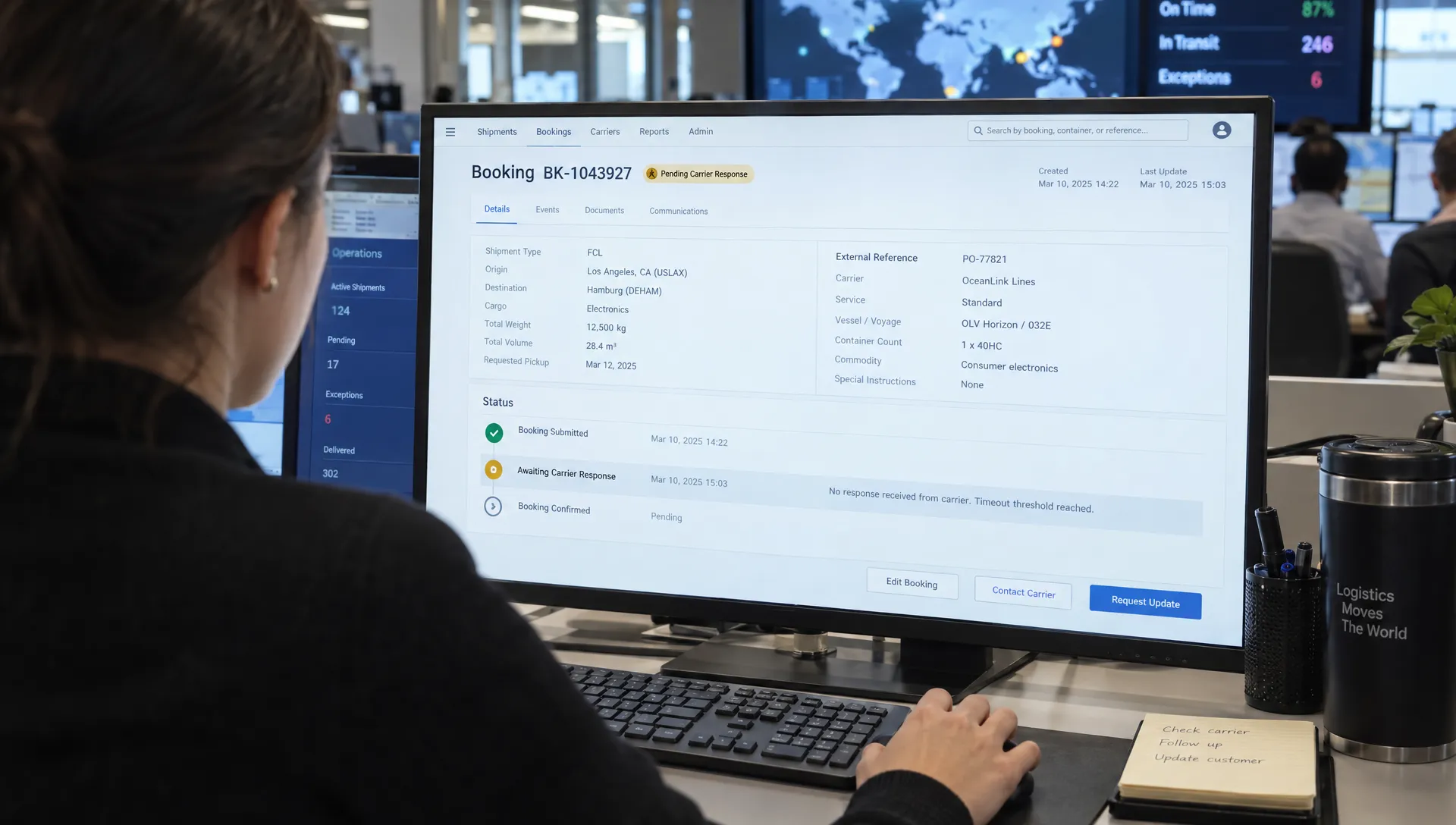
CBP release alone does not establish terminal availability. Likewise, a carrier release does not remove a government hold. Check the relevant systems rather than relying on a forwarded email stating that the shipment is “cleared.”
For cargo moving under bond or another controlled procedure, obtain confirmation that the proposed movement and storage location are authorized. An ordinary commercial yard is not automatically an acceptable substitute.
Pro-Tip: Approve the pickup, holding location, delivery slot and empty-return plan as one package. If one changes, reassess the entire move before dispatch.
Compare costs through empty return, not just gate-out
Pre-pulling changes where cargo waits and which equipment remains committed. It does not necessarily remove waiting costs.
Compare two complete scenarios: leave the container at the terminal until executable delivery, or pull it to a suitable yard and deliver later. Include terminal charges, carrier detention, chassis rental, yard storage, additional trucking, handling and applicable holiday premiums. Confirm whether any pre-pull quote already includes a component before adding it again.
Consider this hypothetical incremental comparison, excluding normal transportation costs common to both options. These figures are assumptions, not market rates:
Incremental cost | Leave at terminal | Pre-pull to yard |
Terminal charges: 4 billable days at $300 | $1,200 | $0 |
Carrier detention: 4 billable days at $80 | $0 | $320 |
Additional chassis: 4 days at $45 | $0 | $180 |
Yard storage: 4 days at $55 | $0 | $220 |
Extra trucking and handling over direct delivery | $0 | $250 |
Total | $1,200 | $970 |
Under those assumptions, the drayage freight pre-pull saves $230. Two additional billable days across detention, chassis and storage would reverse that result.
Use actual free-time balances, rate tiers and calendar rules. The FMC’s demurrage and detention interpretive rule addresses the incentive principle behind these charges, but a closure should not be treated as an automatic waiver. Preserve evidence and evaluate any dispute separately from the dispatch decision.
Choose the operating plan by cargo and service
A holiday exception plan should preserve the appropriate transport mode and handling method. Do not add warehousing, transloading or an airfreight alternative unless it resolves a specific constraint.
Ocean freight: separate FCL availability from LCL availability
For FCL imports, verify the actual equipment type, discharge status, last free day and delivery readiness. Booked 20-, 40- or 45-foot dry equipment and reefer containers require different checks for availability, chassis compatibility, weight and handling. Reefer planning also needs a documented power and monitoring arrangement during any staging period.
LCL availability depends on deconsolidation and cargo release at the container freight station. An individual consignee generally cannot independently pre-pull a shared ocean container. Coordinate the CFS pickup window and storage terms instead.
For exports, work backward from the terminal’s receiving window and vessel cutoff, including documentation and verified gross mass deadlines. Holiday drayage freight staging should not deliver a loaded export before the terminal accepts it. Buyer’s consolidations also need supplier cargo-ready dates aligned with the consolidation facility’s closure schedule.
Port drayage: secure equipment and executable gate access
Dispatch should validate the container number, appointment, releases, gross weight, chassis arrangement and delivery reference before assigning the move. A reservation without compatible equipment or an eligible truck does not establish executable capacity.
Check port access credentials, applicable truck registration and emissions requirements, driver hours and the carrier’s coverage for the proposed cargo. Requirements vary by gateway and jurisdiction, so verify them with the terminal and relevant port authority rather than assuming another gateway’s rules apply.
If chassis supply fails, use an approved alternate provider or revise the move. Do not substitute equipment without confirming interchange permissions and compatibility. The operational checks in managing chassis shortages are particularly relevant when holiday staffing reduces recovery options.
For each drayage freight assignment, specify who can authorize an alternate yard or additional charges when the original plan breaks down.
Cross-dock and warehousing: use storage only when it resolves a constraint
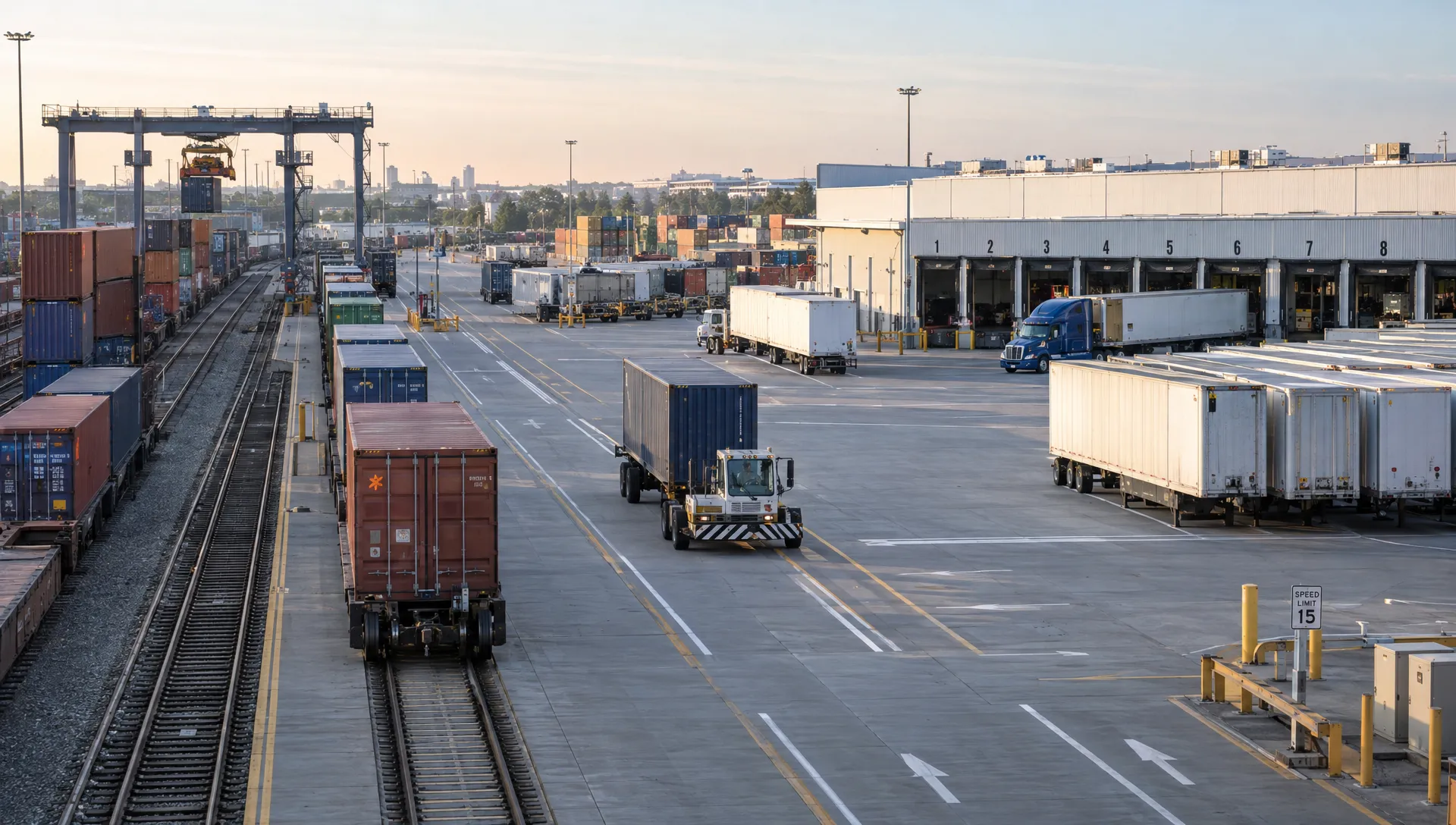
A loaded-container yard, a cross-dock and an inventory warehouse solve different problems. Choose between them based on equipment exposure, cargo handling requirements and the receiver’s reopening schedule.
Transloading can release an ocean container earlier, but only if unloading labor, dock capacity, suitable domestic equipment and an empty-return option are available. Otherwise, it adds handling while the original container remains on the clock.
Inventory buffer staging may be appropriate for solar modules awaiting site access or data-center components awaiting installation. Confirm security, environmental limits, inventory controls and the cost of receiving and outbound handling. A proposed three-container-to-two-trailer consolidation requires an actual cube, weight and securement check.
When unloading is feasible, port drayage and transloading coordination can help separate terminal recovery from the receiver’s closure without simply relocating the bottleneck.
Air freight: protect both import and export handoffs
Air alternatives should address a genuine production or commissioning risk, not compensate for an unexamined drayage freight plan. Replacement inventory at origin may be airfreight-ready even when cargo already inside an ocean container is not practically recoverable.
For US air imports, coordinate foreign pickup and uplift with US customs clearance, airport transfer, handling-facility hours and final delivery. NFO or AOG urgency does not remove release requirements. Temperature-sensitive freight also needs confirmed monitoring and storage coverage throughout holiday handoffs.
For US air exports, align factory pickup, applicable TSA security requirements and screening through the IAC/carrier process, EEI/AES filing when required and airline acceptance cutoffs. Confirm foreign customs and delivery coverage before committing to an uplift or charter.
In both directions, verify dangerous-goods eligibility under applicable IATA/ICAO requirements and carrier acceptance. Restricted holiday handling capacity can make the booked flight only one part of the recovery plan.
Project cargo and heavy haul: test the onward route before release
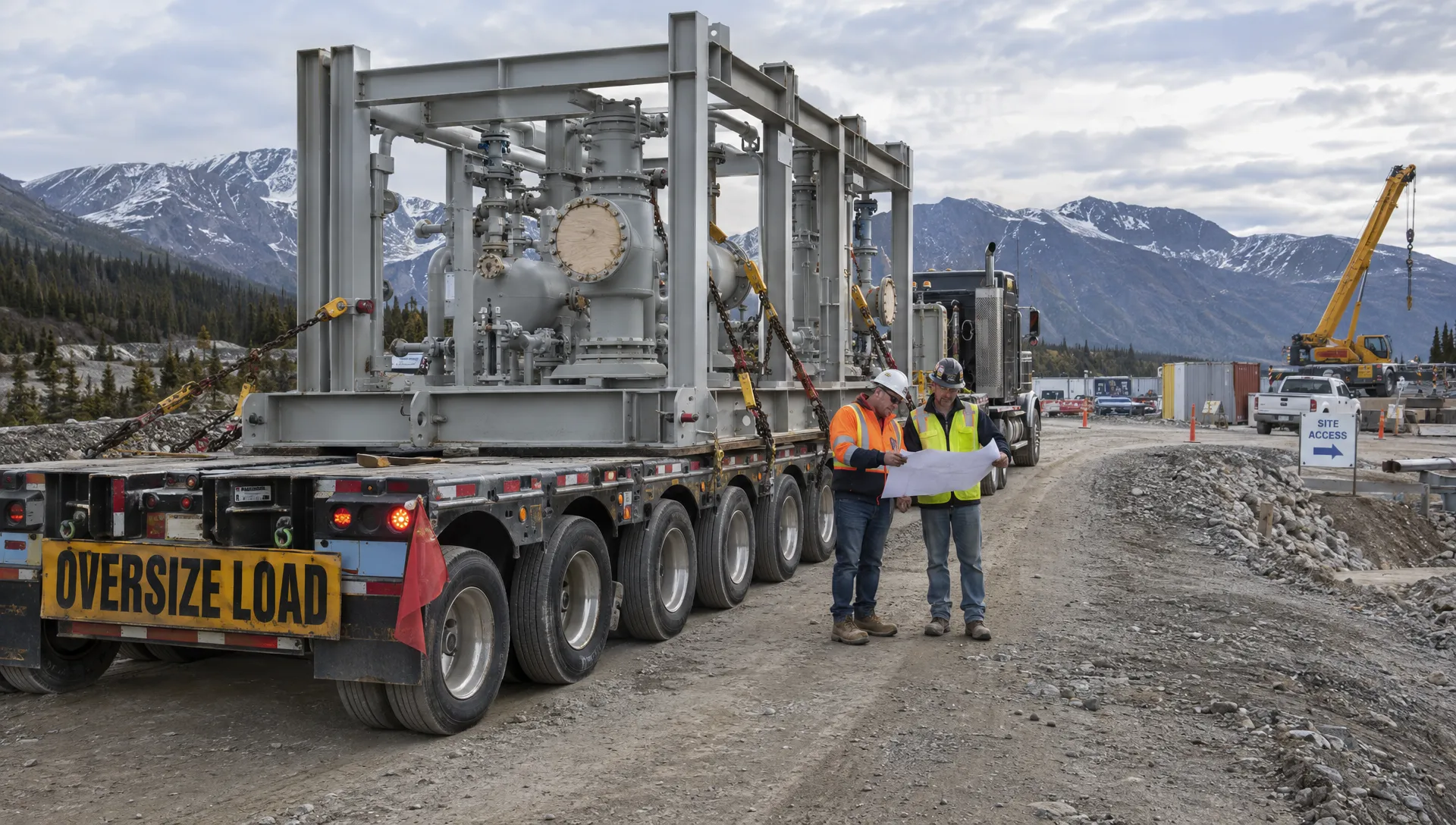
For transformers, machinery skids or oversized power equipment, removing cargo from the terminal may introduce a more restrictive transport problem. Flat racks, open-top containers and breakbulk pieces need equipment and handling plans matched to their actual dimensions, weight and lifting points.
Verify permit validity, route restrictions, holiday movement prohibitions, escort availability, crane coverage and job-site access with the relevant authorities and service providers. Restrictions differ by jurisdiction and permit conditions.
A loaded flat rack cannot simply be treated as an ordinary dry-container yard move. Confirm stability, securement, clearances and an approved storage position.
Pre-pulling project-related drayage freight is justified only when the staging location protects the cargo and the next movement remains executable. If a site crane will not return until after the holiday, include the resulting equipment commitment and custody requirements in the approval.
Run a closure countdown with named owners
Use the following checkpoints as planning intervals, not guaranteed lead times. Complex cargo, scarce equipment and congested gateways require earlier commitments.
About 72 hours before the last usable gate: The shipper or forwarder consolidates availability, releases, free-time balances, receiving hours and cargo restrictions into one operating record.
About 48 hours before: Dispatch confirms the appointment, truck, equipment and yard acceptance. The receiver confirms unloading labor and any crane, forklift or temperature-control requirements.
About 24 hours before: The shipment owner rechecks holds, gate changes, charges and contingency triggers, then issues a written go/no-go instruction with a spending authority.
At execution: The carrier records interchange status, seals, visible condition, equipment identifiers and timestamps. Exceptions go to a named contact who can make a decision during the closure.
If the pickup fails, reassess rather than carrying the same dispatch instruction into the next available shift. A missed gate can change storage duration, detention exposure and the receiving appointment simultaneously.
A drayage freight contingency should identify an approved alternate yard, the threshold for premium capacity and the point at which leaving the box at the terminal becomes the lower-risk choice. A free-time extension request can support that plan, but an unapproved request is not available free time.
Pro-Tip: Keep screenshots of availability, last-free-day information, appointment failures, closure notices and return instructions with timestamps. They support operational decisions and any later billing review.
Control the reopening queue and equipment returns
The first post-holiday shift can become the next bottleneck. Sequence deliveries by production impact, cargo sensitivity, escalating charges and the receiver’s actual unloading capacity, not simply by container arrival order.
Reconfirm appointments before releasing trucks from the yard. A receiver that accepted ten deliveries before the holiday may have fewer doors or less labor available when operations resume. Sending every staged container at once can turn planned recovery into truck waiting time.
Assign ownership of empty returns separately from cargo delivery. Validate current return instructions and acceptance before dispatching the empty, then retain the equipment interchange receipt. Do not assume that unloading closes the equipment cycle or that a prior return location remains valid.
Close each drayage freight exception with planned versus actual costs, custody records and the reason for any additional dwell. The useful performance measure is the completed terminal-to-delivery-to-return cycle, not the number of containers removed before the gate closed.
Frequently Asked Questions
Should every container be pre-pulled before a holiday? No. Pre-pull when releases, equipment, suitable custody and a viable delivery plan are confirmed, and the avoided cost or service risk exceeds the added exposure. Leaving a container at the terminal can be the better decision when sufficient free time remains.
Does terminal free time stop during a holiday closure? Do not assume it does. Verify the applicable terminal and carrier terms, including how days are counted and whether a specific extension has been approved. Terminal storage, carrier detention and chassis billing can follow different rules.
Can transloading eliminate detention exposure? It can shorten container use when cargo is unloaded and the empty is returned within the applicable terms. It does not guarantee savings if warehouse queues, handling charges or unavailable empty-return appointments extend the cycle.
Need a holiday plan tied to actual releases, capacity and receiving windows? Shipit Logistics provides standalone drayage and transload services or end-to-end coordination across ocean freight, US air imports and exports, warehousing and project cargo. Share your container availability, free-time dates, cargo requirements and closure schedules to scope an executable plan.