How Drayage Carriers Manage Chassis Shortages

Chassis shortages force drayage carriers to manage more than equipment availability. A chassis may be physically nearby but unavailable for the required interchange, incompatible with the load or trapped under a container awaiting unloading. For logistics directors and traffic managers, the operational challenge is securing a usable chassis for the entire move, including the empty return.
The strongest response combines equipment sourcing, release-ready dispatch, faster unloading and selective changes to cargo routing. Adding chassis helps only when the rest of the container cycle can absorb them.
Diagnose the constraint before buying more capacity
A chassis shortage can originate at several points in the operating cycle. Marine terminals may have limited roadworthy inventory, an off-dock depot may hold equipment outside the applicable interchange arrangement or loaded containers may be occupying chassis at consignee yards.
These situations require different interventions. Additional leased equipment might resolve a persistent supply gap, but it will not fix a warehouse that takes several days to unload every container.
Separate the problem into three questions: Is compatible equipment available? Can the carrier legally and contractually use it? How quickly can it complete another revenue move?
Track conditions by terminal, rail ramp, equipment provider and container size rather than treating the port complex as one equipment market. Availability at one location does not establish availability at another, particularly when depot hours, appointments and interchange restrictions differ.
The working unit is a completed chassis cycle, not a chassis reservation. A pickup plan remains exposed until dispatch has a feasible delivery, unloading and return sequence.
How drayage carriers secure usable chassis capacity
Equipment sourcing needs a primary arrangement and a credible alternative. The alternative must be operationally usable, not simply another provider listed in a routing guide.
Equipment source | Operational advantage | Constraint to verify |
Applicable chassis pool | Access to shared equipment within its operating network | Inventory, interchange eligibility, size and roadability |
Carrier-owned or dedicated leased chassis | Greater control over equipment positioning | Terminal acceptance, maintenance, repositioning and utilization |
Alternate authorized provider or depot | Another sourcing option when the primary location is constrained | Permission to use the equipment, depot hours, split moves and return location |
Before assigning equipment, verify container compatibility, payload, axle distribution and route restrictions. Dense 20-foot loads may require specialized equipment and a route-specific legal-weight assessment. A tri-axle chassis does not automatically make an overweight movement legal.
Refrigerated cargo adds another check: whether the inland move needs a genset, how it will be supplied and how temperature continuity will be maintained.
Roadability remains a dispatch requirement. The FMCSA’s intermodal equipment provider guidance addresses the regulatory framework for equipment providers and motor carriers. A unit with a disqualifying defect is not usable capacity, regardless of appointment pressure. Build inspection and defect-resolution time into equipment planning rather than treating them as exceptions.
Five operational levers that reduce chassis exposure
Ocean freight: align equipment with releases and cutoffs
For ocean imports, drayage carriers should match chassis assignments to containers that are actually available for pickup. Customs release alone is insufficient if another hold remains, the container is inaccessible or the terminal appointment cannot be secured.
The dispatch record should distinguish vessel arrival, terminal availability, release status and the applicable last free day. These milestones answer different questions and should not be substituted for one another.
For exports, work backward from the receiving window and cutoff. Pulling an empty too early can consume chassis days before the factory is ready to load. Pulling it too late can jeopardize the sailing. Confirm the booking’s equipment instructions, empty pickup location and loaded return location before dispatch.
Standard 20-, 40- and 45-foot dry containers require compatible chassis configurations. Reefer moves also need the appropriate equipment and power plan. Do not assume that a chassis suitable for one booking can serve every subsequent assignment.
For LCL freight, confirm the consolidation or deconsolidation schedule at the container freight station. Cargo readiness at the CFS, rather than the sailing date alone, determines when a chassis can be productively assigned or released.
Port drayage: dispatch only against a complete move plan
A driver sent to retrieve equipment before releases and appointments are confirmed can spend the available workday solving preventable exceptions. Drayage carriers reduce that exposure by validating the full move before releasing the truck.
The plan should identify the chassis source, container pickup appointment, delivery acceptance window, unloading method and empty return instructions. It should also establish who authorizes a recovery action when one of those elements changes.
A chassis split, where equipment must be collected or returned separately from the container location, adds travel and handling. Compare that cost with the likely consequence of waiting for equipment at the original location. Include driver hours and the risk of missing the next gate window.
Dual transactions can improve productivity when a terminal permits a compatible empty return and loaded pickup on the same visit. They are not dependable unless both transactions are authorized and the equipment can serve the next load.
Keep a same-day exception process for rejected empties, changed return locations and failed appointments. Assign an owner and a decision deadline. A dispatcher should not discover at the return gate that nobody has authority to approve an alternate depot.
Cross-docking and warehousing: release equipment without creating another queue
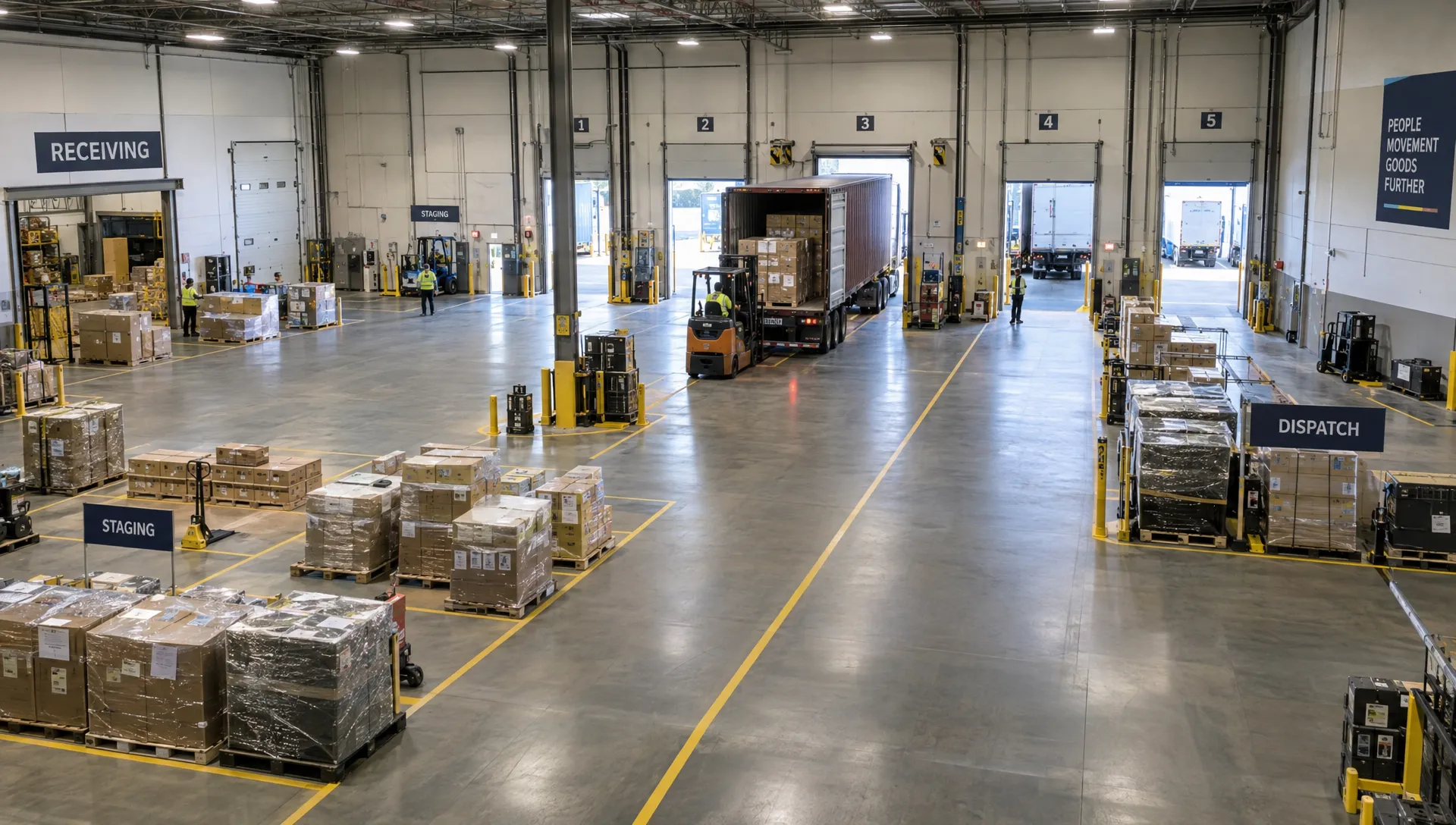
When unloading capacity is the constraint, drayage carriers can recover chassis turns through scheduled live unloads or a suitable transload operation. The benefit comes from separating cargo storage from container and chassis occupancy.
A warehouse appointment must represent actual labor, dock and material-handling capacity. A container moved from the terminal to a congested yard may avoid further terminal dwell while continuing to consume chassis rental, storage and equipment capacity.
For eligible palletized cargo, cross-docking into a domestic trailer can shorten the ocean equipment cycle. Buffer warehousing may also support phased distribution when the destination cannot receive the entire shipment immediately. The operating sequence matters more than proximity alone, as described in SHIPIT’s discussion of coordinating port drayage and transloading.
Consolidation ratios must be calculated from actual cube, weight, stackability and domestic axle limits. A proposed three-container-to-two-trailer program is not automatically feasible for dense machinery, fragile solar modules or temperature-sensitive materials.
Before diverting cargo, confirm handling permissions, receiving capacity, cargo insurance implications and empty-return arrangements. Without those checks, transloading can exchange a visible port problem for a less visible warehouse backlog.
Air freight: protect critical demand while containers recover
Air freight does not replace a chassis. It can, however, remove the production-critical portion of demand from a delayed ocean replenishment plan. Drayage carriers and the coordinating forwarder should distinguish an equipment recovery problem from a customer deadline that needs a separate transport solution.
For US air imports, identify replacement inventory at origin and verify uplift, US customs readiness, airport transfer and final-mile acceptance. A replacement semiconductor component or commissioning spare may justify expedited service when the delayed container holds mostly noncritical replenishment. Include secure custody and temperature controls where the commodity requires them.
For US air exports, identify stock available at the US factory or warehouse, then coordinate pickup, applicable TSA-compliant screening, EEI/AES filing when required, international uplift and delivery abroad. This can protect an overseas production schedule while a separate ocean export program waits for equipment or its next sailing.
Apply the relevant IATA/ICAO dangerous-goods requirements in either direction. Battery products, chemicals and other restricted commodities need eligibility and handling review before capacity is purchased.
Use the same decision test for imports and exports: expedite only the quantity needed to bridge the disruption, then compare the air premium with the documented operational consequence of waiting.
Project cargo and heavy haul: engineer the inland alternative
Oversized or concentrated-weight cargo cannot be assigned to whatever equipment becomes available. For these moves, drayage carriers need an engineered equipment and route plan before the shipment reaches its inland handoff.
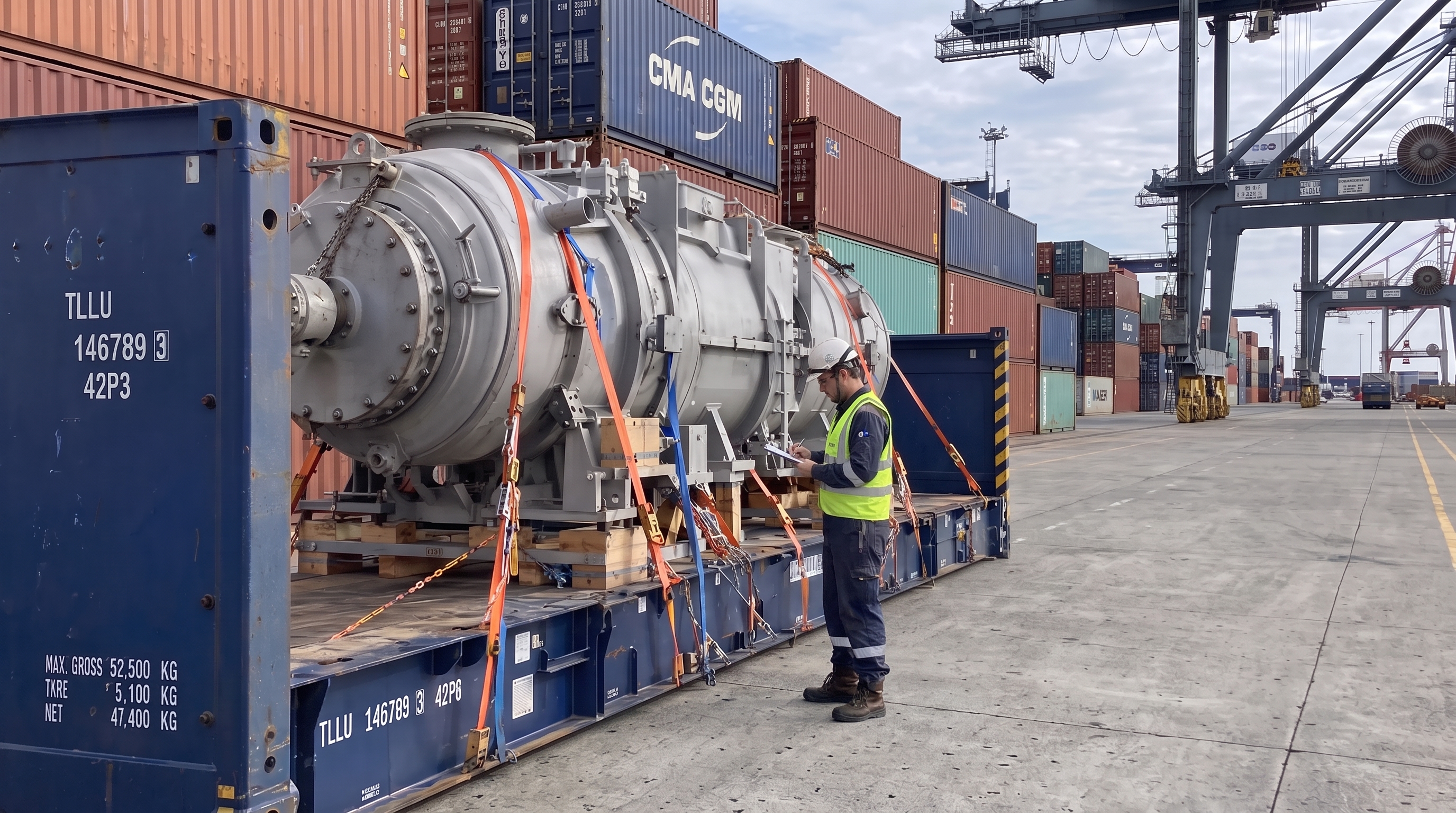
Start with verified transport dimensions, gross weight, center of gravity, support points and lifting instructions. Then establish whether the cargo can move in its ocean transport configuration or requires transfer to a flatbed, step deck, double drop or another specialized trailer.
An OOG flat rack does not establish road legality. Chassis suitability, axle loading, overhead clearances, permits, escorts and terminal handling permissions remain separate checks. A heavy transformer and a container of replacement electrical parts should not share the same recovery assumptions.
Where a transfer is feasible, verify crane or rigging availability, an approved work area and the receiving trailer’s readiness before committing to the move. Cargo should not arrive at a transfer site while the heavy-haul permits are still unresolved.
For remote EPC sites, coordinate final-mile access and unloading crews before releasing the inland equipment. Otherwise, a port-side shortage can become several days of specialized trailer detention at the project gate. Avoid additional handling when its damage risk exceeds the benefit of releasing equipment earlier.
Set recovery thresholds using total incremental cost
The cheapest chassis rental is not necessarily the lowest-cost recovery plan. Drayage carriers and cargo owners need a shared comparison of the costs each option adds and the costs it can realistically avoid.
Evaluate the baseline plan against a specific alternative, such as a chassis split, pre-pull, dedicated lease or transload. Count only the incremental costs when comparing options. Ordinary delivery charges that apply to both plans should not distort the decision.
Net recovery benefit = avoidable delay costs minus incremental recovery costs.
Include terminal charges, ocean carrier equipment charges, chassis rental, yard storage, extra truck moves, handling and cargo-risk exposure as applicable. Driver detention, container detention and chassis rental are distinct charges, even when they arise from the same delay. SHIPIT’s guide to trucking accessorials provides broader context for reviewing these cost categories.
A pre-pull may stop additional terminal storage exposure once the container gates out, subject to the applicable terms, but it does not automatically stop container detention or chassis rental. Nor does it free the chassis if the loaded container stays on it.
Record each relevant clock separately, using the controlling tariff, agreement or invoice terms. Set a dollar threshold for dispatcher action and an escalation path for decisions involving cargo handling or service changes.
Measure equipment turns, not just completed pickups
A daily pickup count can look healthy while loaded containers accumulate at delivery yards. To evaluate drayage carriers during a shortage, connect gate performance with equipment release and return performance.
Metric | What it reveals | Management response |
Chassis days per completed container cycle | How long equipment remains committed | Separate terminal, consignee and return-related delays |
Equipment-only trips per completed move | Exposure to splits and repositioning | Review sourcing locations and dispatch sequencing |
Time from delivery to empty release | Consignee unloading performance | Adjust appointments, live-unload capacity or storage strategy |
Failed empty-return attempts | Return-location and authorization problems | Improve instruction validation and exception escalation |
Equipment-related missed appointments | Whether sourcing supports the operating plan | Reassess equipment positioning and backup arrangements |
Use consistent start and stop events, then segment results by gateway, terminal, cargo type and consignee. Combining live-unload imports with multiday drop programs can conceal the cause of poor utilization.
Set targets from the lane’s observed operating conditions rather than applying a universal turn-time promise. Ask for exception timestamps and supporting records, not just a monthly average. Procurement should also distinguish committed capacity from equipment that remains subject to daily availability.
Frequently asked questions
Can drayage carriers always use their own chassis? No. Carrier-owned equipment remains subject to terminal acceptance, applicable interchange arrangements, container compatibility and roadability requirements. Confirm the arrangement for the specific move before positioning equipment.
Does a pre-pull solve a chassis shortage? It can protect a pickup window or reduce terminal dwell, but a loaded container parked on a chassis continues to occupy that chassis. A pre-pull needs an unloading and empty-return plan to improve equipment availability.
When is transloading preferable to waiting? When the cargo permits additional handling, suitable warehouse and trailer capacity is confirmed and the avoided delay exposure exceeds the added transport, handling and risk costs. It is less suitable when cargo sensitivity or specialized lifting requirements make transfer impractical.
Need to protect a delivery window during a chassis shortage? SHIPIT Logistics can coordinate standalone drayage, transloading or broader ocean, air and project-cargo execution. Share your container details, release status, cargo specifications and required delivery date to evaluate an executable recovery plan.