Container Haulage Street Turns Without Custody Gaps

A street turn can remove an empty return and a separate empty pickup from container haulage, but the mileage saving is only defensible when equipment authority, physical custody and billing records remain aligned. The failure usually occurs between systems: the import delivery is complete, the driver has an empty box and an export booking needs equipment, yet nobody has confirmed who may release that container or when the original equipment obligation ends.
For logistics directors and traffic teams, the objective is not simply to reuse a nearby empty. It is to authorize the reuse before dispatch, document each transfer and preserve a workable return option if the export falls through. Treat the move as a controlled change of assignment, not an informal favor between dispatchers. The process below keeps those controls attached to the truck, container and booking.
Approve container haulage street turns before dispatch
The equipment owner or its authorized agent must approve reuse under the relevant operating process. A willing importer, exporter and motor carrier cannot substitute their agreement for that authorization. Likewise, an export booking confirmation does not necessarily authorize use of a particular container.
Obtain an approval record that identifies the container number, equipment provider, import reference, export booking, receiving motor carrier and any approval expiration. Confirm the approved loading location, permitted equipment use and cancellation instructions. Where approval occurs through a carrier portal or street-turn platform, retain the transaction reference and its conditions.
Keep three permissions distinct: authority to use the box, authority to interchange the equipment and authority to tender the export shipment. Each may come from a different party.
If interchange is governed by the Uniform Intermodal Interchange and Facilities Access Agreement, check the applicable equipment provider addenda and insurance requirements. Participation does not, by itself, authorize a specific street turn.
Assign a named coordinator to verify acceptance across the relevant parties. A request marked “submitted” is not an approval, and silence is not permission to load. Dispatch should remain blocked until the approval is valid for the actual equipment, booking and movement.
Match the box to the export, not just the location
A workable container haulage match requires more than the correct nominal size. Confirm the equipment operator, ISO type, payload capacity, condition and booking acceptance before repositioning the empty.
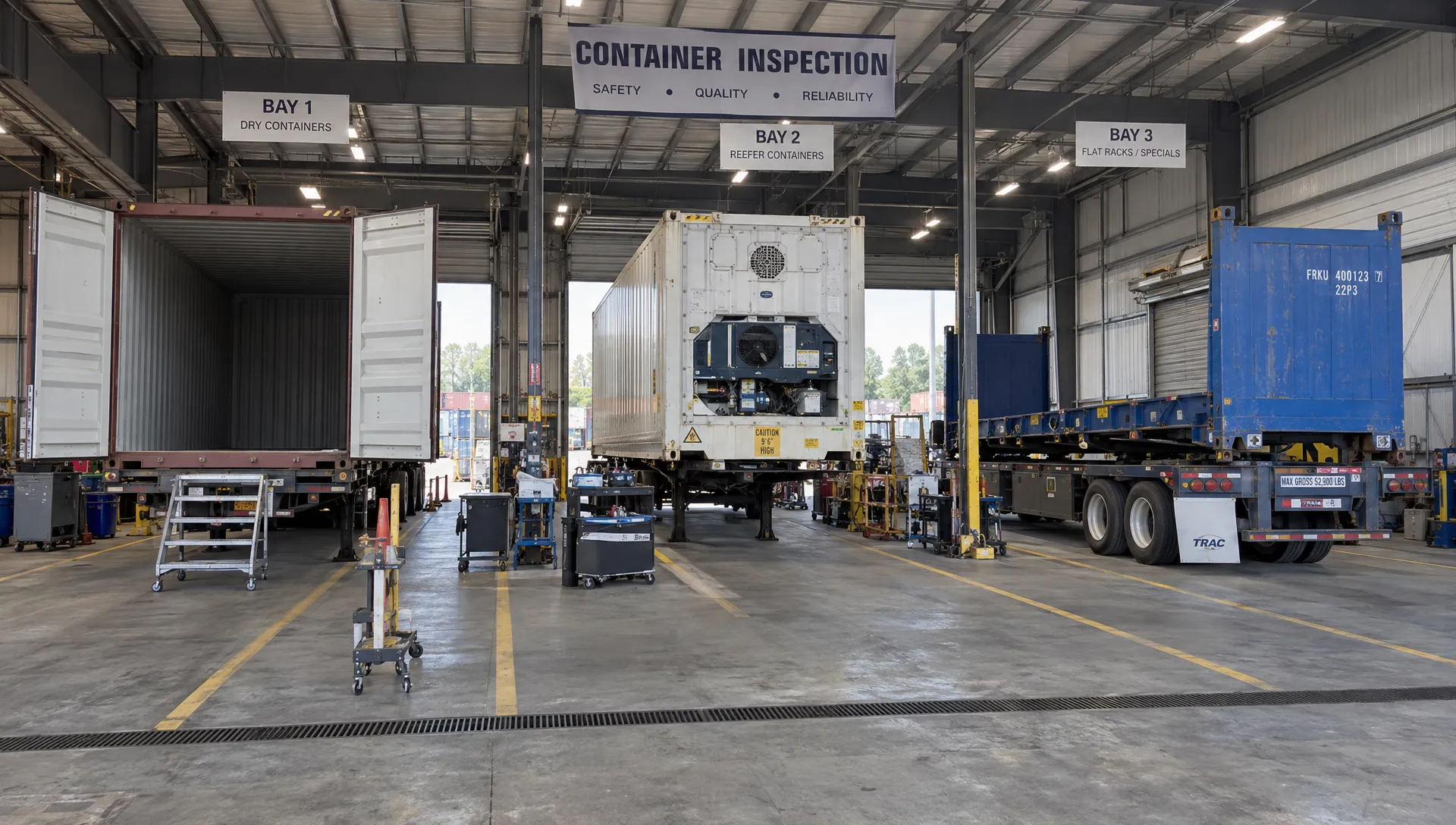
For standard 20-foot, 40-foot and 45-foot dry containers, check door operation, floor condition, water ingress, contamination and cargo-specific suitability. Availability of a 45-foot container does not establish acceptance on the intended vessel service or at the receiving terminal. For heavy cargo, validate the planned loading pattern against container limits, chassis configuration, axle weights and route restrictions.
Reefer reuse needs a separate release decision. Verify required pre-trip inspection status, machinery condition, cleanliness, prior-cargo restrictions, setpoint capability and power arrangements. A unit that completed an import successfully is not automatically suitable for the next commodity.
The chassis is a separate asset with separate permissions. Confirm its provider, permitted operating area, interchange status and rental responsibility throughout the turn. Container approval does not extend chassis authorization or establish that the chassis may remain under the export load.
When equipment availability is the bottleneck, distinguish a shortage of boxes from a shortage of compatible chassis. The operational checks in managing chassis shortages help prevent an approved container match from becoming an unusable dispatch assignment.
Record custody at every physical handoff
For container haulage street turns, a booking update is not evidence of a physical transfer. The custody record must establish who held the equipment, where it was transferred, its condition and whether the receiving party accepted it.
Use a linked event record rather than disconnected emails. Keep the container number as the equipment identifier while preserving both shipment references. Record the chassis number separately because it may change during the operation.
Control point | Evidence to retain | Acceptance required |
Import unloading completed | Delivery reference, unloading completion time, empty-condition photographs and any damage exceptions | Receiving facility representative and motor carrier |
Empty released for reuse | Equipment authorization reference, location, timestamp and releasing party | Authorized release party and collecting carrier |
Exporter receives equipment | Container and chassis identifiers, condition check and receiving acknowledgment | Export facility representative |
Export loading completed | Load reference, seal number, weight documentation and loading exceptions | Authorized shipper representative |
Loaded export delivered | Terminal gate receipt, equipment condition and acceptance or rejection status | Receiving terminal or facility |
If the same motor carrier retains physical possession, document continuity rather than inventing a transfer. If another carrier takes over, obtain an explicit interchange acknowledgment and verify the receiving carrier’s authorization before release.
An internal handoff record supplements the receipts required by the equipment provider; it does not replace them. Never create a fictitious terminal empty-return receipt to make an internal workflow appear complete. Record the actual street-turn event and obtain confirmation that the provider has recognized it.
Keep equipment clocks separate from cargo milestones
A container haulage street turn can eliminate a physical gate movement without automatically closing the original equipment account. Import delivery, import unloading, street-turn approval and equipment-provider recognition are different milestones.
Before dispatch, establish which event ends the original equipment obligation and which event starts any new export equipment allowance. Obtain the applicable timestamps and conditions from the equipment provider rather than assuming that approval resets free time. Confirm whether charges continue during repositioning, inspection, loading or a booking delay.
Maintain a separate chassis timeline. Its rental period may continue even where the container’s import assignment has closed. Warehouse storage, driver waiting time and reefer power also require their own start and stop events.
For covered ocean demurrage and detention invoices, compare the billing data with the applicable FMC billing requirements. Keep the underlying operational evidence as well: approval messages, facility receipts, actual transfer times and documented rejection events. Those records support invoice review without assuming that every accessorial falls under the same rules.
A street turn also needs an approved fallback return location. Apply the same discipline used in an empty-return recovery plan: confirm receiving instructions, return acceptance and responsibility for the next action. Do not leave a canceled export load sitting on an import account while teams debate ownership of the problem.
Give dispatch one executable movement record
The dispatch record should translate the container haulage approval into instructions a driver can execute without interpreting a chain of forwarded messages. Identify the current movement state: awaiting approval, released empty, received for loading, loaded or accepted at the export terminal.
Attach the approved booking and equipment references, pickup and delivery locations, facility contacts, appointment details and current receiving instructions. Include applicable terminal receiving windows, documentation deadlines and verified gross mass requirements. Record the latest useful dispatch time against those constraints, not just the customer’s preferred loading appointment.
The exception instructions deserve equal prominence. Specify whom the driver must contact for visible damage, a container-number mismatch, an unauthorized chassis substitution or a facility refusal. State where the equipment may wait and who can authorize a diversion. A dispatcher should not have to improvise a storage location after the export facility closes.
Require confirmation when material details change. A new vessel, receiving terminal, export booking or loading location may require renewed approval. Preserve the prior authorization in the record, but do not treat it as permission for a different move.
Close the assignment only after the equipment provider’s recognition and the physical receiving evidence reconcile. “Truck delivered” is too narrow a completion status when the equipment account remains unresolved.
Coordinate the turn with the wider freight plan
Ocean freight and port drayage
For FCL exports, align the reuse approval with the booking’s equipment requirements, receiving window and documentation cutoffs. Buyer’s consolidation can improve the opportunity to match import equipment with export demand, but only when cargo readiness and loading capacity are confirmed.
LCL requires a different decision. Cargo tendered to a container freight station generally enters the consolidator’s equipment plan; a shipper should not independently assign an available empty to that consolidation. Confirm who controls container selection, stuffing and terminal delivery.
Port dispatch must protect both the export delivery and the fallback return. Validate appointment availability and current receiving instructions before committing the driver. A technically approved turn has little value if the terminal cannot accept the loaded box within the planned window.
Air imports and exports as targeted contingencies
When container haulage delays threaten a commissioning or production deadline, air freight may protect a critical subset of cargo rather than replace the entire ocean shipment. Compare the cost of that split against the operational consequence of waiting, then keep the air shipment’s custody chain separate.
For US air exports, coordinate factory or warehouse pickup, applicable TSA-compliant screening through an Indirect Air Carrier, EEI/AES filing when required, export compliance and uplift through consolidation or charter capacity. Confirm destination clearance and final delivery before releasing the freight.
For US air imports, coordinate foreign pickup, international uplift, customs clearance, airport transfer and final-mile delivery. NFO or AOG service may suit urgent components, while temperature-sensitive cargo needs monitoring across each handoff. In either direction, dangerous goods require assessment under applicable ICAO/IATA requirements; an ocean acceptance does not establish air eligibility.
Cross-docking, warehousing and project cargo
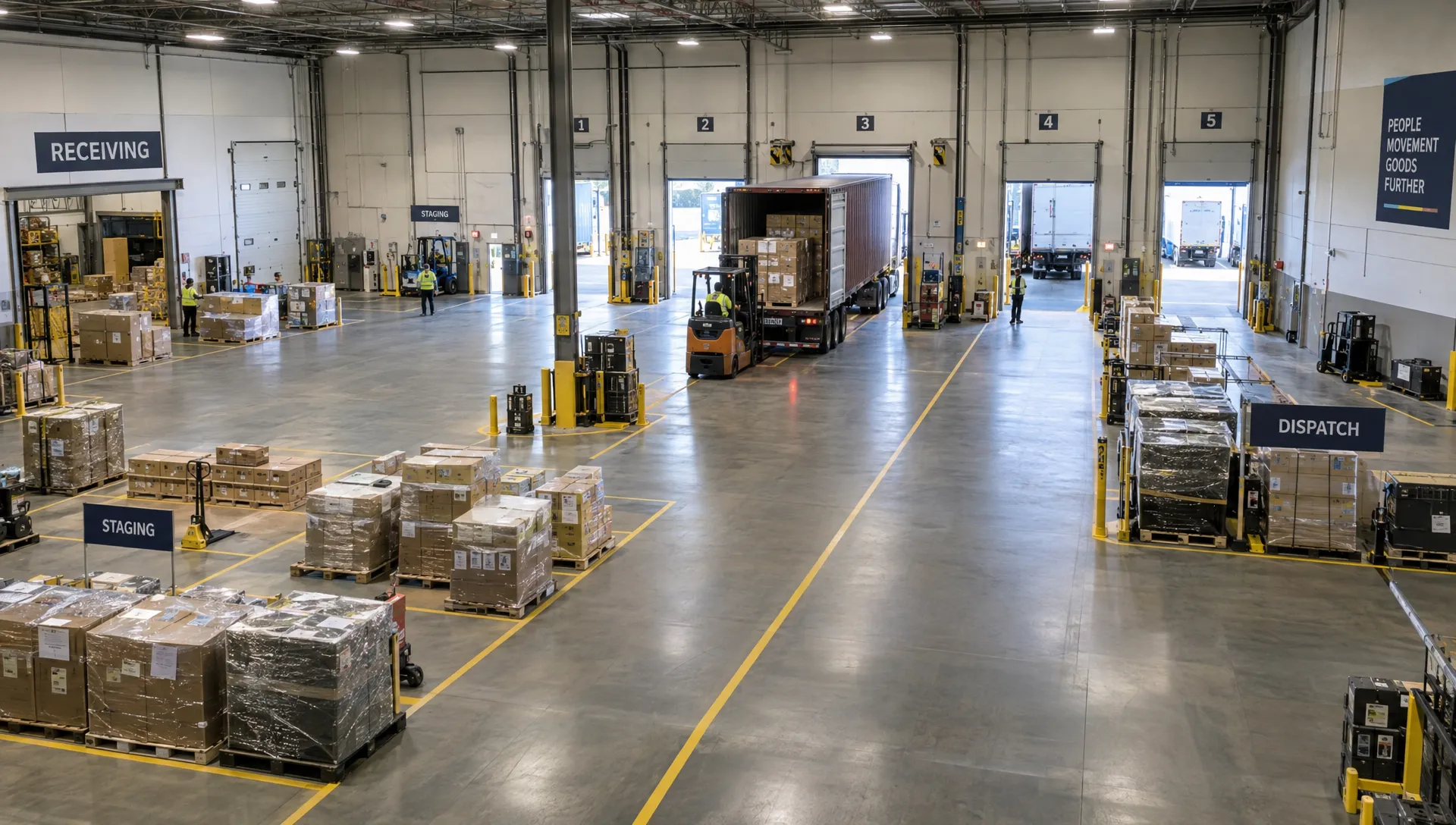
Transloading is relevant when it releases the import container earlier, consolidates compatible freight or stages inventory away from a congested port. It is not a prerequisite for a street turn. If direct reuse works, an additional warehouse touch can add cost and damage exposure without improving the plan.
Where a warehouse creates the empty, make its unloading completion, damage inspection and release acknowledgment part of the container haulage record. For reefer cargo, separate product cold-chain acceptance from equipment release. Neither establishes the other.
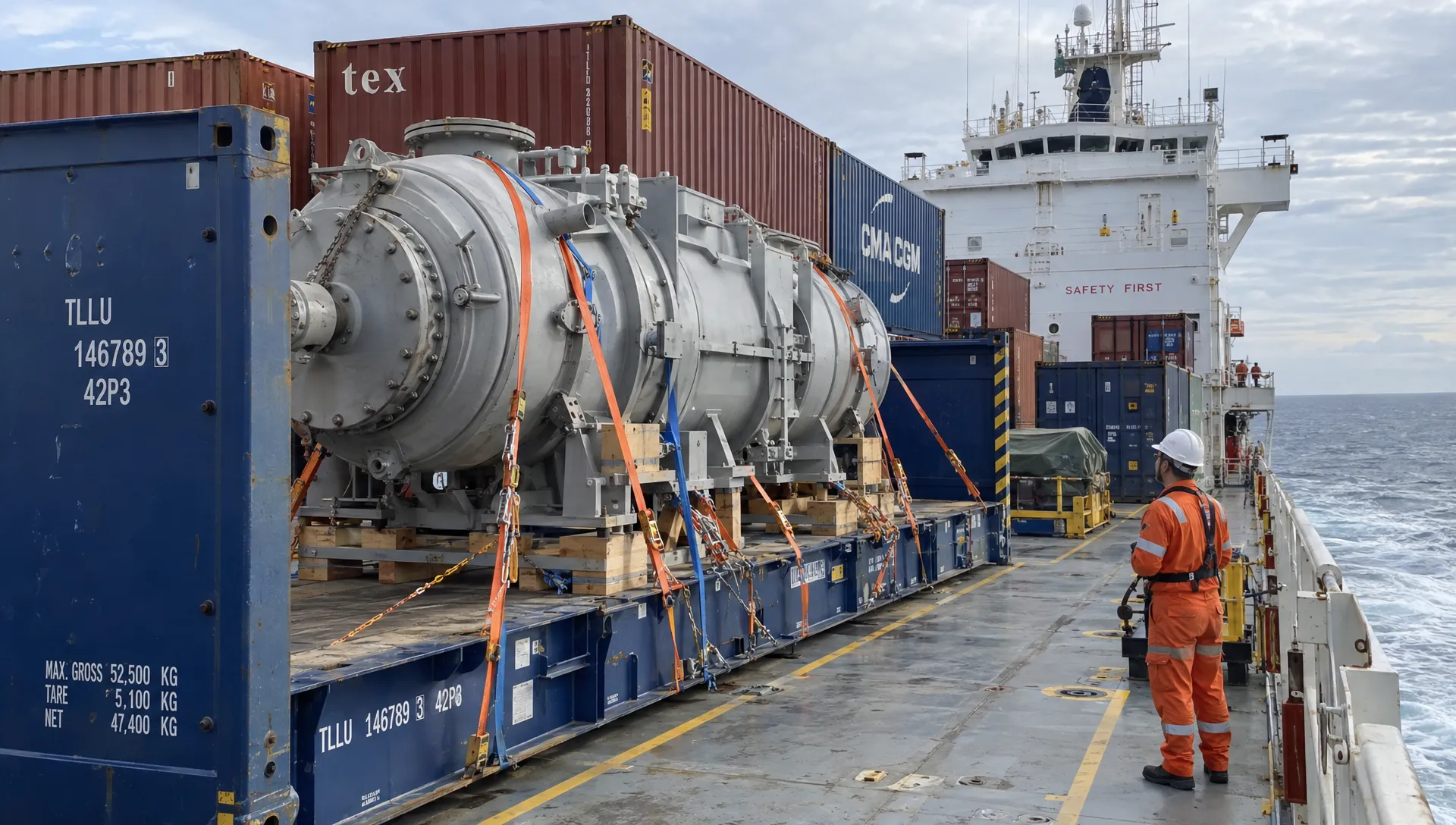
Project cargo requires an additional transport-engineering decision. An available dry container cannot replace a flat rack, open-top unit or breakbulk arrangement simply because the site needs equipment quickly. If machinery transfers to a step deck, double drop or other heavy-haul trailer, establish securement, permits, route suitability and jobsite acceptance independently. Reusing the emptied ocean box is a separate opportunity, not approval for the project load’s onward movement.
Price the authorized move and the failure case
Evaluate the street turn against the actual alternative: authorized empty return followed by an authorized export empty pickup. Count only costs genuinely avoided, including the relevant empty legs, gate transactions and driver time.
Then deduct the additional costs created by reuse. These may include repositioning between facilities, approval or transaction fees, condition inspections, cleaning, chassis rental, waiting time and changes to export loading arrangements. A nearby box can still be expensive if it waits on the wrong chassis or misses the terminal window.
For container haulage procurement, use a documented comparison:
Net benefit = avoided baseline costs − incremental street-turn costs − expected exception exposure.
The last term should reflect the lane’s operating history where available. Consider booking cancellation, rejected equipment, missed receiving windows and an unplanned return. If no reliable history exists, compare a successful-turn scenario with a credible failure scenario rather than assigning a precise probability without evidence.
Require the quotation to identify who pays for inspection failure, cleaning, dry runs, waiting, chassis extensions and fallback returns. Also distinguish container detention from terminal demurrage and warehouse storage. An attractive base transport rate does not establish the lowest total cost if exception responsibility remains open.
Rehearse cancellation before the empty leaves
Test the plan against three practical failures: the exporter cancels after approval, the container fails inspection at the loading facility or the terminal rejects the loaded export. Each requires a named decision-maker, an authorized destination and a charging rule.
If the exporter cancels before loading, confirm whether the street-turn approval remains valid and whether the equipment must return under revised instructions. If the empty fails inspection, stop loading and document the defect before repositioning. If a loaded export is rejected, preserve cargo security and seek authorized instructions; do not break the seal or divert the shipment without the required approvals.
Review container haulage street turns through both execution and reconciliation metrics. Track approval turnaround, failed matches, inspection rejections, terminal acceptance and unresolved equipment balances. Mileage reduction measures only one part of performance.
A turn is operationally complete when the physical equipment, shipment references and provider records agree. That definition prevents a successful truck movement from concealing an unresolved custody or billing exposure.
Frequently Asked Questions
Can a motor carrier arrange a street turn without equipment-provider approval? The motor carrier can propose the match, but reuse requires authorization from the equipment owner or its authorized agent under the applicable process. Agreement between the importer and exporter does not replace that permission.
Does street-turn approval stop detention or reset free time? Not automatically. Confirm the recognized closing event for the import equipment obligation, any new export allowance and how intervening time is charged. Chassis rental and other accessorials may follow separate timelines.
What proves that there was no custody gap? Retain linked records showing equipment identifiers, authorized parties, locations, timestamps, condition exceptions and receiving acknowledgments. Where possession remains with one carrier, document continuity. Reconcile those records with the provider’s recognized reassignment and terminal acceptance.
Need a drayage-only solution, a transload-only assignment or coordinated international execution? Discuss your equipment approvals, export deadlines and exception responsibilities with SHIPIT Logistics. Its ocean freight, US air import and export, warehousing and project-cargo capabilities can support either a defined operational segment or an end-to-end freight plan.