Pharmaceutical Warehousing: Import Holds and Releases

Updated: Oct 1
In pharmaceutical warehousing for import programs, a hold is not just a clearance delay. It is a regulated inventory event that can split one shipment into several statuses at once: CBP custody, FDA admissibility review, importer quality quarantine, temperature exception review and commercial allocation pressure.
That is where pharmaceutical warehousing controls matter. The warehouse is not simply waiting for a release. It is preserving evidence, preventing premature distribution, protecting temperature integrity and translating regulatory status into executable inventory logic. For importers, forwarders and brokers managing air and ocean pharma flows, the strongest control point is often the warehouse lane between port recovery and final release.
Pharmaceutical warehousing as the release firewall
Pharmaceutical imports often arrive under a tight operating clock. Ocean containers face demurrage, detention and chassis constraints. Air freight may arrive in passive packaging with a validated duration that was designed around a planned routing, not a multi-day hold. Meanwhile, commercial teams may see inventory in the warehouse management system and assume it can move.
A release firewall prevents that assumption from becoming a compliance failure. The facility has to separate physical receipt from regulatory release and quality disposition. A pallet can be unloaded and counted without being available. A lot can be temperature-stable without being admissible. A shipment can have CBP release without internal QA release.
Prevention still starts upstream with clean data, timely filings and coordinated parties. SHIPIT has covered that pre-arrival discipline in its guide to preventing customs and port holds. Once a hold exists, the work changes. The priority becomes status integrity at the SKU, lot, license plate and entry-line level.
For drug products subject to cGMP, 21 CFR 211.142 specifically addresses warehousing procedures, including quarantine before release by the quality control unit and storage under appropriate conditions. That concept should carry into import operations even when the facility is not manufacturing: unreleased goods need enforceable system status, physical control and documented disposition.
Status architecture: do not let release mean only one thing
A weak pharma import workflow uses one broad status such as available, hold or received. That may work for low-risk consumer freight, but it is too blunt for pharmaceutical warehousing. The warehouse needs a status model that mirrors the actual release gates.
At minimum, the WMS or inventory control process should distinguish among customs status, FDA status, quality status, temperature status and commercial allocation status. These are related but not interchangeable. FDA may issue a May Proceed message for an entry line, but the importer may still need to review temperature records, lot documentation or labeling before internal release. A broker may report that an entry has cleared, but one line on the entry may remain under review or be subject to sampling.
The practical control is to assign status at the lowest operational unit that could be separated, usually pallet, case, lot or license plate. Container-level status is not enough after a transload. Entry-level status is not enough when multiple FDA lines or SKUs ride under one bill. Purchase-order status is not enough when partial quantities are detained, sampled or refused.
Mapping release gates to inventory controls
Control point | Operational requirement | Failure mode it prevents |
Entry-line mapping | Tie FDA line, entry number, SKU, lot, pallet ID and quantity together before putaway | Releasing the wrong lot after a partial FDA action |
Physical quarantine | Segregate unreleased freight in controlled locations with clear status markers | Pickers treating received freight as available stock |
System blocks | Prevent allocation, wave release, transfer and shipment confirmation until required gates clear | Commercial order pressure bypassing quality or regulatory controls |
Temperature status | Keep temperature review separate from FDA and CBP status | Moving admissible freight that still has an unresolved excursion |
Release evidence | Attach broker notice, FDA message, QA disposition and exception closeout to the inventory record | Inability to prove why and when a lot was released |
Split disposition | Support release, relabel, return, destruction or refusal at line and lot level | Treating a mixed-status shipment as one uniform decision |
This architecture matters most when freight is transloaded after import. Once cartons leave an ocean container or air master consolidation, the original transport unit no longer protects against commingling. The warehouse has to become the control structure.
Physical custody controls during FDA and CBP holds
Pharma import holds become risky when teams blur custody language. CBP custody, FDA admissibility and quality quarantine are different controls. They may overlap, but each has its own authority and documentation requirements.
If goods need to remain under customs control or duty deferral is part of the strategy, the importer may need a bonded or foreign trade zone solution rather than standard commercial storage. SHIPIT explains the decision factors in its article on when a bonded warehouse makes sense for imports. For pharma, the question is not only duty timing. It is whether the planned movement, manipulation, storage and release process is permitted under the applicable customs status.
Physical custody controls in pharmaceutical warehousing should cover seal integrity, handoff documentation, arrival condition, overage, shortage and damage notation. If a container is moved from marine terminal to a transload facility while a regulatory review remains open, the drayage order, delivery receipt and warehouse inbound record should all reflect that restricted status. The receiving team should not have to infer it from an email buried in a broker thread.
Where sampling is expected, the facility should define who may access the goods, how samples are pulled, how chain of custody is recorded and how sampled cases are resealed or segregated. Sampling without a clean inventory adjustment can create mismatches later between the release quantity, QA records and customer order quantities.
Temperature control under forced dwell
Import holds stress pharmaceutical warehousing temperature programs because they change dwell time and handling sequence. The issue is not only whether a lane is refrigerated. The issue is whether the whole hold period remains within the product's approved conditions and whether exceptions are captured in a way QA can disposition.
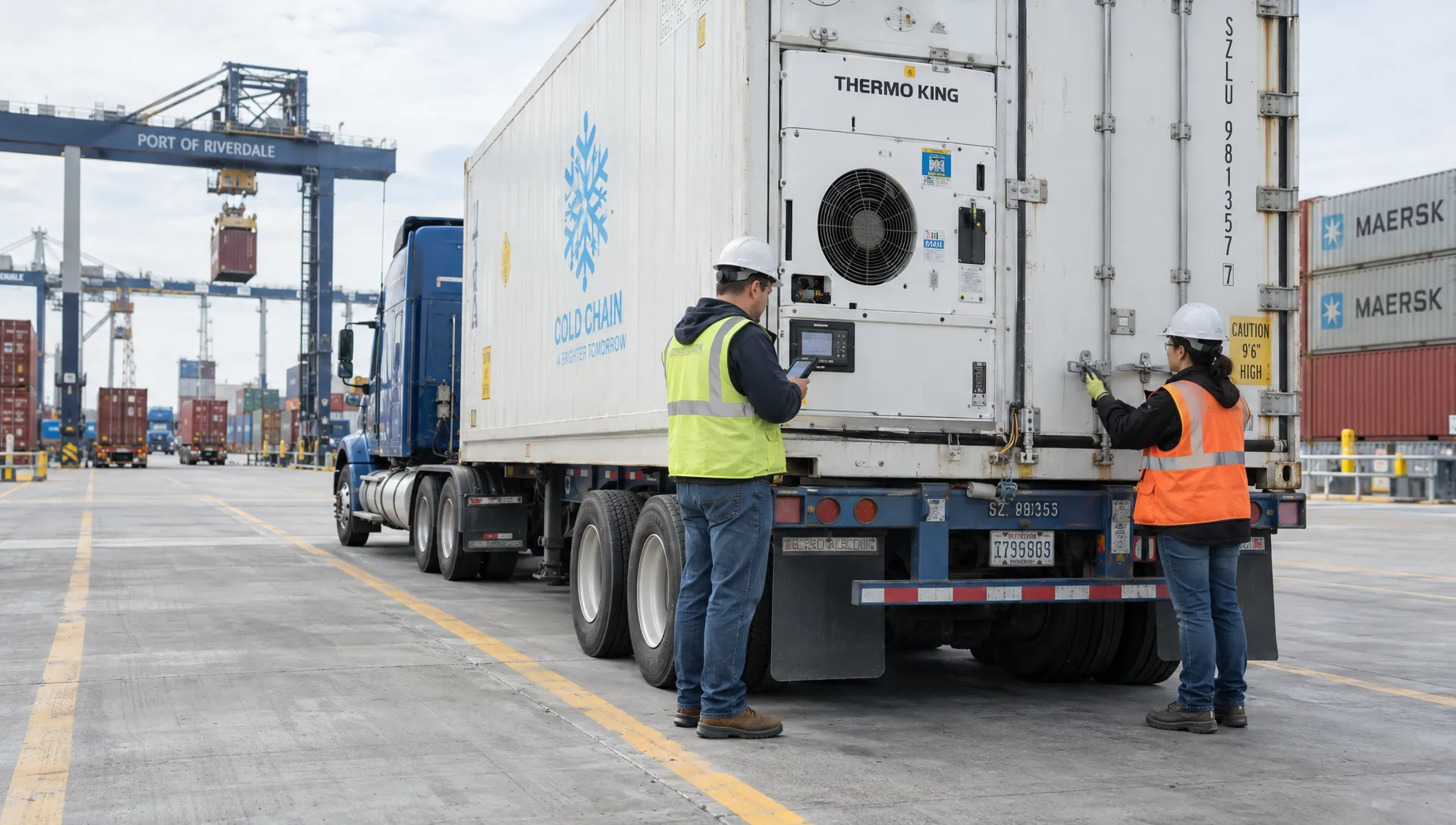
For ocean reefer freight, controls include plug-in verification, set-point confirmation, genset or terminal power handoff records, drayage monitoring and prompt escalation if a container cannot be stripped as planned. For air freight, passive packaging may have a qualified duration that is consumed during airline recovery, transfer to the warehouse and regulatory delay. A product can arrive inside specification and still become vulnerable if release timing is uncertain.
21 CFR 205.50 addresses storage requirements for prescription drugs in wholesale distribution, including appropriate temperature, lighting, humidity, sanitation, ventilation and space. Import warehouses supporting pharma programs should translate those principles into lane-level operating controls: receiving timestamp, condition check, temperature recorder retrieval, deviation trigger, quarantine location and QA disposition hold.
The highest-risk failure is treating a temperature exception as a transportation claim rather than a release blocker. Cargo insurance, carrier claims and quality disposition are separate workflows. A claim can proceed while inventory remains blocked. A carrier may accept liability without making the drug product releasable.
Transloading pharma imports without breaking status control
Transloading can be the best operational answer after an import hold, especially when terminal pressure, container detention or downstream delivery windows make direct delivery impractical. It can also create a compliance gap if the transload facility is designed for velocity but not controlled release.
A pharmaceutical warehousing and transload SOP should define what can happen before release and what must wait. Unloading for count, condition inspection, temperature stabilization or segregation may be allowed under the agreed process. Repacking, relabeling, kitting or onward distribution should require explicit authorization and the right regulatory status. This distinction is especially important for FDA detained freight, goods under import alert review or shipments awaiting quality release.
Ocean and air flows create different control problems. Ocean FCL imports tend to concentrate risk in container dwell, seal integrity and devanning accuracy. Ocean LCL introduces additional custody parties, CFS handling and mixed consolidation risk. Air pharma imports often face shorter physical dwell but tighter temperature clocks and more frequent partial recoveries from airline facilities.
This is why the warehouse should be treated as part of the transportation design, not an emergency overflow location. SHIPIT's discussion of warehouses that improve port flow is relevant here because pharma release control depends on coordinated drayage, staging, documentation and outbound dispatch. The warehouse is not just storing freight. It is converting a disrupted international movement into a controlled domestic movement.
Release packets should be operational, not just regulatory
A release packet that satisfies the broker may still be too vague for warehouse execution. The warehouse needs release information in a format that can be applied to inventory without interpretation.
A useful release instruction answers these questions: which entry number and entry line are released, which SKU and lot are affected, which pallet or license plate IDs may move, which restrictions remain open, who authorized release and what time the authorization became effective. If the release is partial, the blocked residual quantity needs its own location and system status.
For FDA-regulated products, the FDA Import Alerts database is one source import teams use to understand detention without physical examination risk, although admissibility decisions remain shipment-specific. For finished prescription drug distribution, the Drug Supply Chain Security Act also makes product tracing and trading partner discipline part of the downstream control environment. The import release process should not create gaps that later make transaction documentation, returns processing or recall execution harder.
The operational release packet should normally include the broker's release communication, applicable FDA status message or Notice of FDA Action resolution, importer QA disposition, temperature review outcome, OS&D closeout and any instructions for relabeling, re-export, destruction or continued hold. If an email is the only release evidence, the process is fragile. If a WMS status change happens without attached evidence, the audit trail is incomplete.
Partial releases are where many controls fail
Full holds are visible. Partial releases are more dangerous because teams feel progress and start moving fast. One entry line may be May Proceed while another remains under review. One lot may pass temperature review while another awaits QA disposition. One pallet may be sampled while the rest of the lot is eligible for movement.
In a high-velocity import operation, the WMS should not require warehouse supervisors to memorize those distinctions. Pick blocks, transfer blocks and outbound load validation should enforce them. If released and unreleased quantities share a SKU, the system needs lot and license plate discipline. If the same lot is split across multiple pallets, the release decision needs to specify whether it applies to the full lot or only the examined quantity.
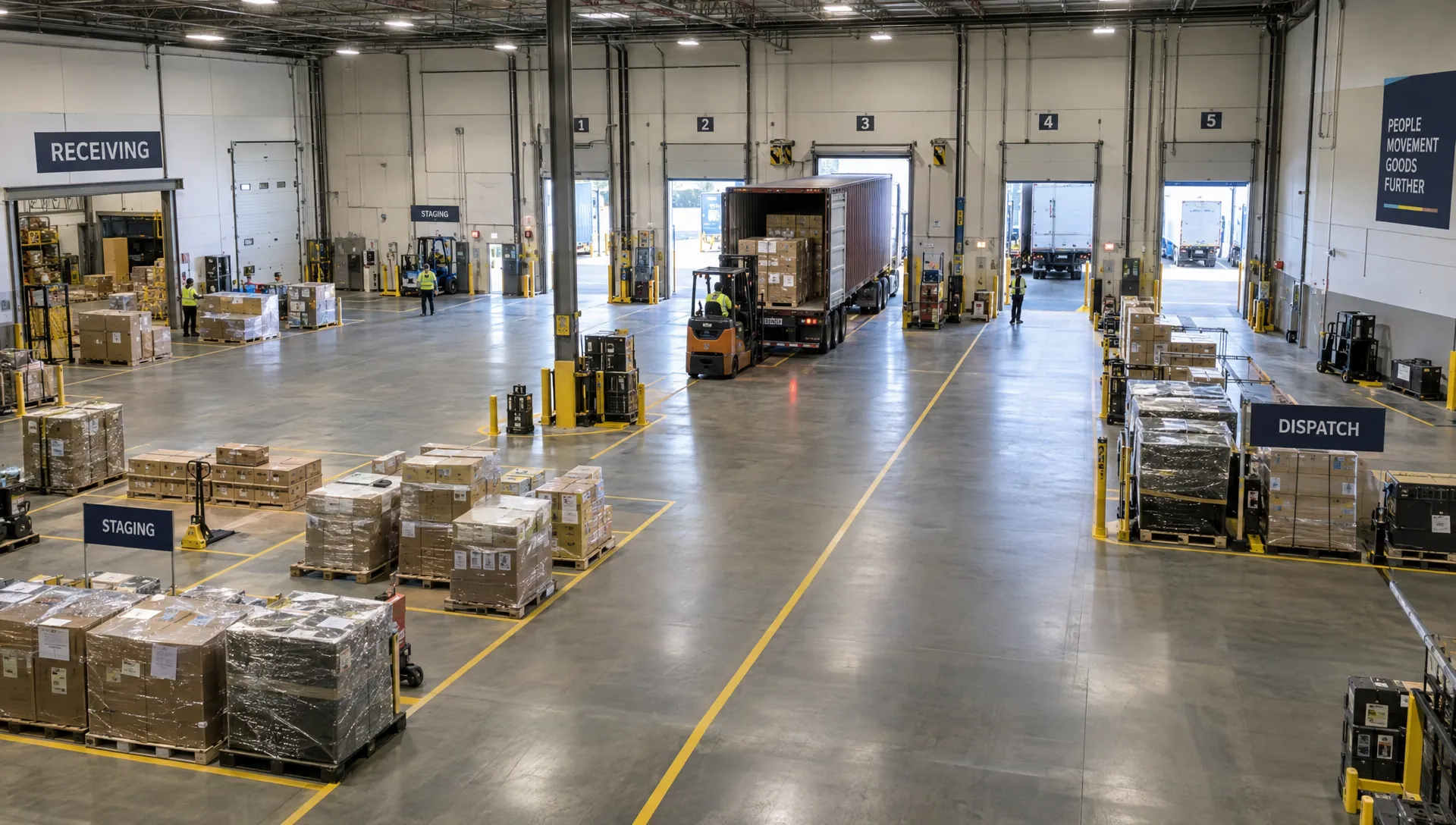
Physical layout should support that logic. Mixed-status pallets should not sit in the same forward pick face. Cross-dock lanes should not receive pharma freight unless status has already been resolved or the lane is managed as a quarantine lane. When import holds clear after hours, the release workflow should still require documented authorization instead of relying on a phone call.
Metrics that expose weak hold and release control
Pharma import teams often track demurrage and clearance time, but those metrics do not show whether pharmaceutical warehousing controls are working. A facility can clear containers quickly while creating release ambiguity inside the building.
Better metrics connect regulatory status, quality status and physical execution.
Metric | Why it matters |
Hold aging by status type | Separates FDA review, CBP exam, QA review, temperature exception and documentation gaps |
Release-to-pick elapsed time | Shows whether the warehouse can execute quickly after compliant release |
Unreleased inventory allocation attempts | Reveals whether commercial systems are trying to consume blocked stock |
Temperature exception closeout time | Measures QA and operations response under import dwell pressure |
Partial release accuracy | Confirms that released quantities match entry lines, lots and license plates |
Seal and OS&D exception rate | Identifies custody breakdowns during drayage, CFS recovery or transload |
These metrics are not only compliance indicators. They affect working capital, service levels and freight cost. A release that sits unexecuted for 18 hours can erase the benefit of fast brokerage. A poorly documented hold can block product that is actually admissible and temperature-compliant.
Designing the handoff between broker, forwarder, warehouse and QA
The cleanest pharmaceutical warehousing programs define handoffs before the first container or air shipment departs origin. The broker should know what information the warehouse needs for status control. The forwarder should know whether freight can move to a controlled warehouse during review. The warehouse should know which events require QA escalation. The importer should define who has authority to release inventory, not just who has authority to clear customs.
The handoff should be event-based rather than personality-based. Arrival, exam notice, FDA hold, sampling, temperature alarm, May Proceed, CBP release, QA release and outbound dispatch should each trigger a defined update. The message should include the operational identifiers needed for execution, not only the regulatory narrative.
A provider that can connect international freight forwarding, import drayage, transloading, warehousing and domestic trucking reduces the number of uncontrolled seams. That does not remove the need for importer QA procedures or regulatory decision-making, but it can make the chain of custody and release execution cleaner. In some programs, the right scope is end-to-end import movement through final delivery. In others, the need is narrower: port drayage, controlled transload and dispatch after the broker and importer release the freight.
FAQ
Can pharmaceutical imports move to a warehouse during FDA review, and when is bonded control needed? It depends on the specific custody status, instructions from the broker and applicable regulatory requirements. The key control is that movement to a warehouse must not become distribution, and the inventory must remain blocked until the proper release gates are satisfied. Bonded control may be relevant when goods must remain outside U.S. commerce, duty deferral is needed or the importer needs permitted storage before entry resolution. The decision should be made with the broker and based on the specific import scenario.
Is CBP release the same as FDA release for pharma imports? No. CBP release, FDA admissibility status and importer quality release are separate gates. A warehouse release process should require evidence for each applicable gate before inventory becomes available.
How should a warehouse handle a partial FDA release? The release should be mapped to entry line, SKU, lot, pallet ID and quantity. Released and unreleased inventory should be separated physically and systemically so outbound orders cannot consume the blocked quantity.
What is the biggest temperature risk during an import hold? Forced dwell can consume validated packaging time, delay reefer unloading or create gaps during drayage and facility handoff. Temperature review should remain a release blocker until QA disposition is complete.
For pharmaceutical import programs that need tighter control between port arrival, hold resolution, transload and final delivery, SHIPIT Logistics can help coordinate international freight forwarding, warehousing, transloading, drayage, trucking and customs brokerage arrangements through an integrated logistics plan built around your release requirements.