When a Bonded Warehouse Makes Sense for Imports

Importers usually think about warehousing after freight lands, but a bonded warehouse should be considered much earlier. The decision affects cash flow, customs timing, drayage, transloading, inventory control, and how quickly imported goods can enter U.S. commerce.
A bonded warehouse makes sense when you need more control over when duties are paid, where cargo will ultimately go, or how goods should be prepared before domestic distribution. It is not the right answer for every import, but in the right situation, it can turn a customs bottleneck into a planned supply chain step.
What is a bonded warehouse?
A bonded warehouse is a facility authorized and supervised by U.S. Customs and Border Protection where imported merchandise can be stored before duties are paid. Under U.S. customs rules, goods can generally remain in a customs bonded warehouse for up to five years from the date of importation, with duties paid when the goods are withdrawn for U.S. consumption. If the goods are exported instead, duties may not be owed, subject to the applicable regulations and procedures.
The key point is that a bonded warehouse is not just a storage building. It is a controlled customs environment with inventory accountability, documentation requirements, and restrictions on how cargo can be handled. The rules are detailed in CBP bonded warehouse regulations under 19 CFR Part 19, so importers should work with a qualified customs broker or trade compliance advisor before building an import program around bonded storage.
For logistics managers, the business question is practical: does the extra control and compliance work create enough value to justify the cost and complexity?
When a bonded warehouse makes sense for imports
A bonded warehouse is most useful when the importer benefits from separating cargo arrival from customs duty payment. That separation can be valuable when inventory moves in phases, when the final market is uncertain, or when imported goods need time before they are ready for domestic sale.
You want to defer duty payments until goods are needed
Duty deferral is one of the most common reasons importers consider bonded storage. If a container arrives today but the inventory will be sold over several months, paying all duties immediately can tie up working capital. A bonded warehouse may allow duties to be paid only when merchandise is withdrawn for consumption in the United States.
This can matter for importers with high-value goods, seasonal inventory, long sales cycles, or large replenishment orders. Instead of treating customs clearance as an all-at-once cash event, the importer can align duty payment more closely with inventory release.
Duty deferral does not eliminate duties on goods ultimately entered into U.S. commerce. It changes timing. For many importers, especially growth-stage brands and BCOs managing cash carefully, timing can be meaningful.
You may re-export some or all of the goods
A bonded warehouse can be especially useful when imported goods may not stay in the United States. Examples include international distribution programs, returns consolidation, goods imported for testing or inspection, replacement parts programs, or inventory serving both U.S. and non-U.S. customers.
If goods are imported into a bonded warehouse and later exported under the proper procedures, duties may be avoided because the merchandise never entered U.S. commerce. This can be helpful for companies using the U.S. as a regional logistics hub, but it requires clean documentation and disciplined inventory control.
Your final sales channel is not decided yet
Importers often bring goods into the country before final allocation decisions are complete. A shipment may eventually go to wholesale customers, ecommerce fulfillment, retail DCs, a project site, or a different country. If the allocation is uncertain, a bonded warehouse can buy time.
This is particularly relevant for companies managing multiple order channels or dealing with demand volatility. Rather than forcing immediate entry and delivery to a final domestic location, bonded storage can create a pause point where inventory can be controlled before release.
You need time to resolve documentation or compliance issues
A bonded warehouse is not a cure for poor import preparation, but it can provide a controlled place for cargo while certain issues are resolved. For example, an importer may need time to confirm classification, reconcile documents, address partner government agency requirements, or wait for internal release instructions.
This should not be treated casually. Customs compliance issues can become expensive if handled incorrectly. But when the situation is legitimate and planned, bonded storage may help avoid unnecessary disruption while the importer, broker, and logistics provider coordinate the next step.
You need bonded transloading, sorting, or staging
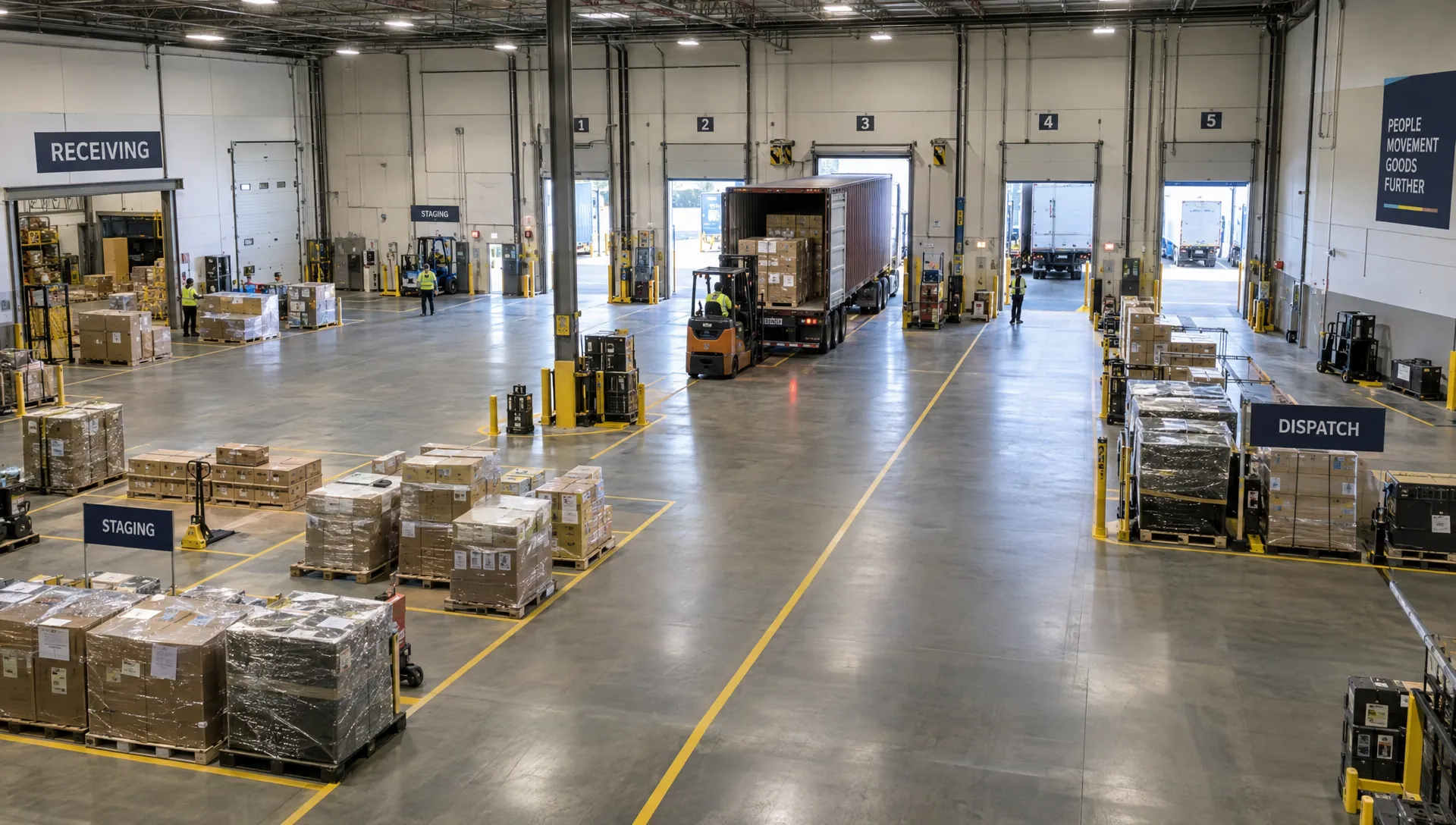
Some import programs require cargo to be stripped from an ocean container, sorted, segregated, palletized, relabeled, or staged before final delivery. If goods have not yet entered U.S. commerce, those activities may need to happen in a bonded environment, depending on the movement and handling required.
This is where the relationship between bonded warehousing, drayage, and transloading becomes important. A standard transload warehouse may be perfect for fast freight movement after customs release, but not every transload facility can handle bonded freight. If you are deciding between storage and fast cargo transfer, it helps to understand the operational differences between general warehousing and transload space before the freight arrives.
When a bonded warehouse may not be worth it
Bonded storage adds process. For many imports, that process is unnecessary. If the shipment is ready for immediate customs entry, the duty rate is low, the final destination is known, and domestic delivery needs to happen quickly, a standard warehouse or direct drayage-to-customer move may be more efficient.
A bonded warehouse may not make sense when speed is the only priority and there is no duty, compliance, or allocation benefit. It may also be a poor fit for low-margin goods where extra handling, storage, and administrative charges outweigh any cash-flow advantage.
Importers should also be careful with ecommerce and retail programs that require quick delivery into domestic fulfillment networks. For example, if goods are moving directly to a retail distribution center or marketplace fulfillment warehouse, the importer will generally need the cargo properly entered and released before final domestic delivery. Bonded storage can still play a role upstream, but it must be designed around the channel's receiving rules.
Bonded warehouse vs standard warehouse vs FTZ
Importers sometimes compare bonded warehouses with standard warehouses and Foreign Trade Zones. They can all support import flows, but they are not interchangeable.
Option | Best fit | Duty timing | Operational complexity | Common use case |
Standard warehouse | Goods already entered into U.S. commerce | Duties paid at customs entry | Lower than bonded or FTZ | Storage, fulfillment, cross-dock, domestic distribution |
Bonded warehouse | Imported goods that need duty deferral, re-export flexibility, or controlled customs storage | Duties generally paid when withdrawn for U.S. consumption | Moderate to high | Holding imported goods before release, staged withdrawals, re-export programs |
Foreign Trade Zone | Larger or more complex trade programs needing zone benefits | Duties generally paid when goods enter U.S. commerce from the zone | High | Manufacturing, assembly, long-term import programs, duty strategy |
A bonded warehouse is often more tactical than an FTZ. It can be a practical option for specific import shipments or product lines without the broader operational commitment of a zone program. An FTZ may be better for importers with ongoing manufacturing, assembly, or high-volume duty optimization needs.
How bonded warehousing connects with drayage and transloading
The warehouse decision cannot be separated from the transportation plan. A bonded import flow may require bonded drayage from the port or airport, accurate in-bond documentation, and a facility authorized to receive and control the cargo.
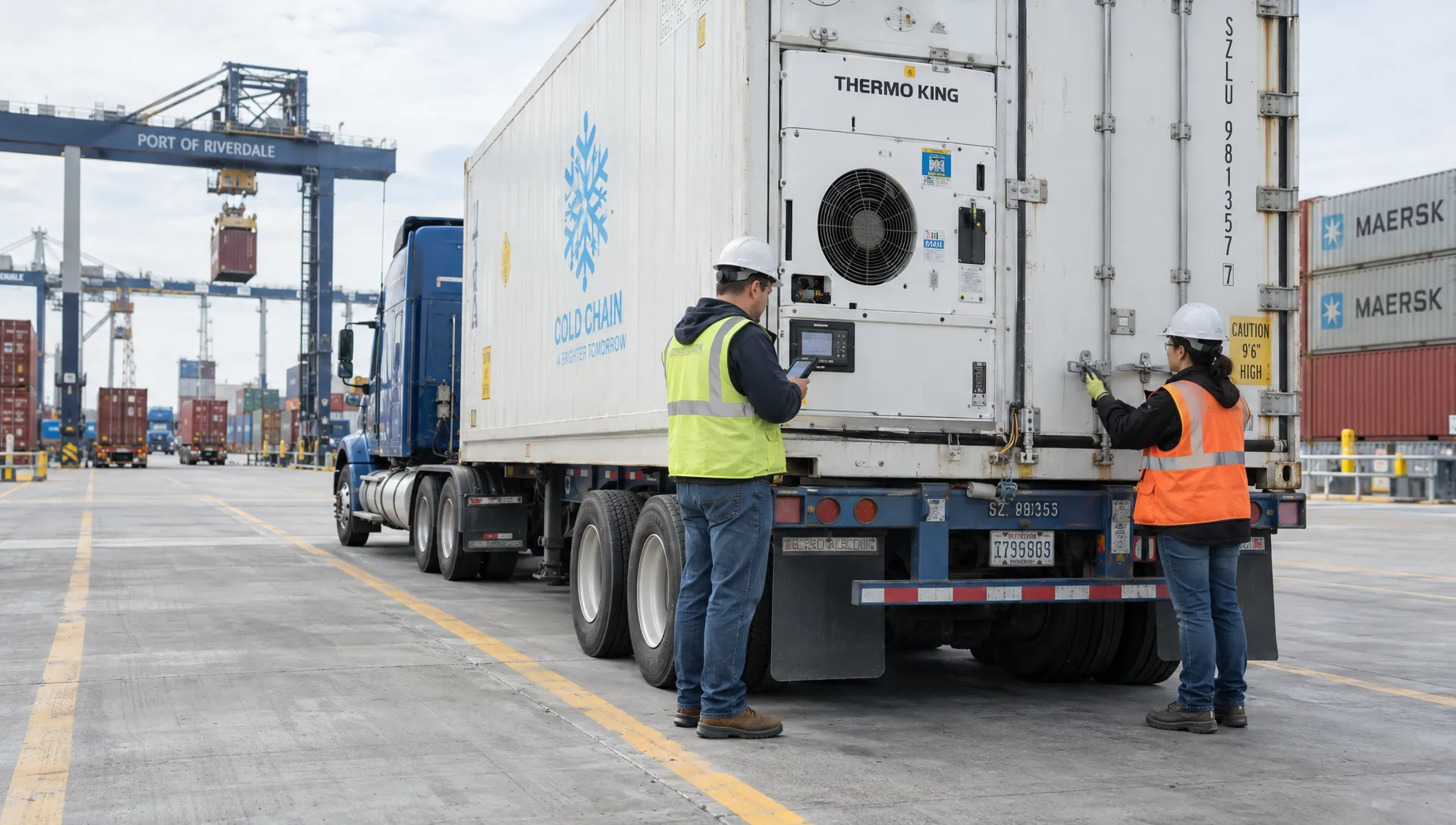
For ocean freight, the process often starts with the container arriving at a marine terminal. If the cargo is moving in bond, the drayage carrier, broker, warehouse, and forwarder must coordinate closely so the container is picked up, moved, received, and documented correctly. Poor coordination can create demurrage, detention, missed appointments, or compliance problems.
For air freight, the timing is tighter. Air cargo often moves with shorter free time and more urgent delivery expectations. Bonded storage may still help if documentation, allocation, or re-export decisions are pending, but the cost-benefit calculation must account for speed.
Transloading adds another layer. If cargo needs to be stripped from an ocean container and moved into domestic trailers, the question is whether that transload can happen after customs release or must happen while the cargo remains under bond. If speed and port fluidity are the main goals, a non-bonded transload after release may be sufficient. If the cargo must remain uncleared, the operation needs the right bonded controls.
For importers trying to reduce port delays, it is worth looking at how port drayage and transloading work together before deciding whether bonded storage belongs in the flow.
Common import scenarios where bonded storage helps
A bonded warehouse is rarely chosen for one reason alone. It usually makes sense when several operational and financial factors overlap.
Seasonal inventory arriving before demand
Retailers and product companies often import ahead of peak season. If goods arrive months before they will be sold, paying duties upfront can strain cash flow. Bonded storage may allow staged withdrawals as inventory is allocated to customers, distribution centers, or sales channels.
High-duty goods with phased distribution
For products with meaningful duty exposure, duty deferral can be more valuable. The higher the duty amount and the longer the inventory holding period, the more important it becomes to compare bonded storage costs with the cash-flow benefit.
U.S. hub distribution for international customers
Some companies use the United States as a consolidation or redistribution point. Goods may arrive by ocean or air, sit temporarily, and then move to Canada, Latin America, Europe, or another destination. A bonded warehouse can support this type of program when goods are not intended for U.S. consumption.
Cargo awaiting customer instructions
Forwarders, brokers, and import managers sometimes deal with shipments where the consignee, final address, or delivery window is not finalized. Bonded storage can prevent a rushed domestic entry decision when more information is needed.
Project cargo and specialized equipment
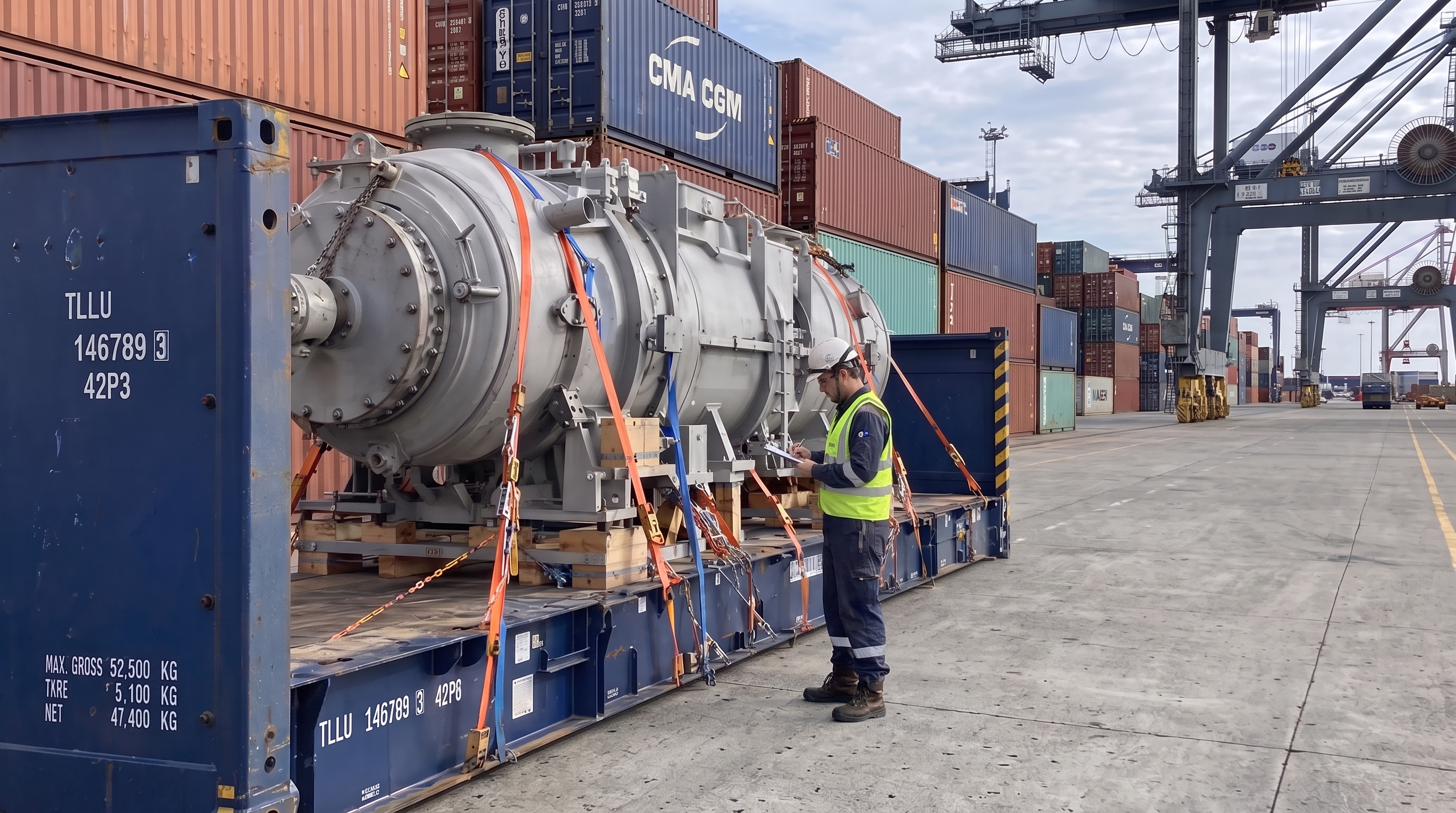
Project cargo, machinery, and oversized imports often require staged delivery, permits, special equipment, or site readiness. If the cargo arrives before the project site can receive it, bonded storage may provide a controlled option while final delivery is coordinated.
Costs and risks to evaluate before using a bonded warehouse
A bonded warehouse should be evaluated as part of the total landed cost, not just as a storage rate. Importers should compare the financial benefit of duty deferral or re-export flexibility against the added costs of bonded handling.
Key cost and risk areas include warehouse storage, bonded facility fees, inventory control charges, additional documentation, drayage requirements, customs broker coordination, container detention, demurrage exposure, and extra handling if the cargo must be transferred from containers to pallets or trailers.
The biggest mistake is deciding too late. If the container is already at the terminal and the importer has not arranged the correct bonded movement, the options may be limited. Bonded warehousing works best when planned before arrival, ideally when the purchase order, Incoterms, freight booking, and customs strategy are being reviewed.
Decision factor | Why it matters | Practical question to ask |
Duty amount | Higher duty exposure increases the value of deferral | How much cash is tied up if duties are paid immediately? |
Inventory timeline | Longer holding periods may support bonded storage | How long before the goods are sold, used, or delivered? |
Final destination | Uncertain destinations increase the value of flexibility | Will all goods enter U.S. commerce, or could some be exported? |
Handling needs | Bonded cargo requires controlled handling | Do goods need sorting, palletizing, labeling, or transloading before release? |
Transportation plan | In-bond moves require coordination | Is the drayage or trucking provider authorized and prepared for the movement? |
Compliance readiness | Documentation errors can delay release | Are HTS classification, valuation, and PGA requirements ready? |
Planning a bonded import flow
A strong bonded warehouse plan starts before the vessel or flight arrives. The importer should identify the commercial goal first. Is the objective to defer duty, re-export inventory, wait for customer allocation, stage project cargo, or resolve a documentation issue? The answer determines the right facility, documentation, and transportation plan.
Next, the importer should confirm whether the cargo can legally and operationally move in bond, whether the warehouse can receive it, and what activities may be performed there. Not every product is a good candidate, and some goods may be subject to additional agency requirements.
Then the transportation plan should be built around the customs plan. For ocean freight, that may mean coordinating container availability, terminal pickup, bonded drayage, warehouse receiving hours, and container return. For air freight, it may mean aligning airline recovery, bonded transfer, and storage deadlines.
Finally, the release strategy should be clear. Some goods may be withdrawn in batches for U.S. consumption. Others may be exported. Others may be transferred to another bonded location or prepared for domestic distribution after entry. The warehouse, customs broker, freight forwarder, and importer should all be working from the same release plan.
This is where an integrated logistics partner can reduce friction. Import flows often touch ocean or air freight, customs brokerage arrangements, port drayage, warehousing, transloading, truckload, LTL, and final delivery. When those functions are managed in isolation, bonded cargo becomes harder to control. When they are coordinated together, the bonded warehouse becomes one planned node in the supply chain.
Importers building a broader receiving strategy can also benefit from understanding how supply chain warehouses improve port flow, especially when inbound containers need to be staged, stripped, transloaded, or routed to multiple destinations.
Questions to ask before choosing bonded storage
Before committing to a bonded warehouse, importers should align internal stakeholders and logistics partners around a few practical questions:
What is the exact reason for using bonded storage?
How much duty or tax cash flow will be deferred?
Will any goods be re-exported or transferred in bond?
What handling must happen before customs entry?
Does the facility have the proper authorization for the required activity?
Who is responsible for customs documentation, inventory control, and release instructions?
How will drayage, container return, and final delivery be coordinated?
If the answers are clear, bonded warehousing may be a strong fit. If the answers are vague, the importer may need a simpler warehouse or transload plan instead.
Frequently asked questions
What is the main benefit of a bonded warehouse for imports? The main benefit is control over duty timing and customs status. Importers can store goods before paying duties and withdraw them when they are ready for U.S. consumption, subject to CBP rules.
Does a bonded warehouse eliminate import duties? Not if the goods are entered into U.S. commerce. Duties are generally paid when merchandise is withdrawn for consumption. If goods are exported under the proper procedures, duties may not be owed.
How long can goods stay in a bonded warehouse? Imported merchandise can generally remain in a customs bonded warehouse for up to five years from the date of importation under U.S. customs rules.
Can cargo be transloaded in a bonded warehouse? It depends on the facility authorization, the cargo, and the customs process. If goods must remain under bond, transloading or handling must be performed under the correct bonded controls.
Is a bonded warehouse better than a standard warehouse? It is better only when the customs benefits justify the added process. If goods are ready for immediate entry and domestic delivery, a standard warehouse or transload facility may be faster and simpler.
Should Amazon FBA importers use bonded warehousing? Sometimes, but not for every shipment. If inventory must move quickly into fulfillment, duties and release requirements generally need to be completed before delivery. Bonded storage may help upstream if goods need staging, allocation, or delayed entry.
If you are deciding whether a bonded warehouse, standard warehouse, or transload-first flow is right for your imports, SHIPIT Logistics can help coordinate the bigger picture across international freight, drayage, warehousing, transloading, trucking, and customs brokerage arrangements. The right import plan should protect compliance, reduce avoidable port costs, and move cargo toward the final customer with fewer handoffs.